

Give the Gift of Choice!
Too many options? Treat your friends and family to their favourite stores with a Bayshore Shopping Centre gift card, redeemable at participating retailers throughout the centre. Click below to purchase yours today!Purchase HereHome
Tracing Gender Practices After Armed Conflicts: At Peace with Masculinities?
Coles
Loading Inventory...
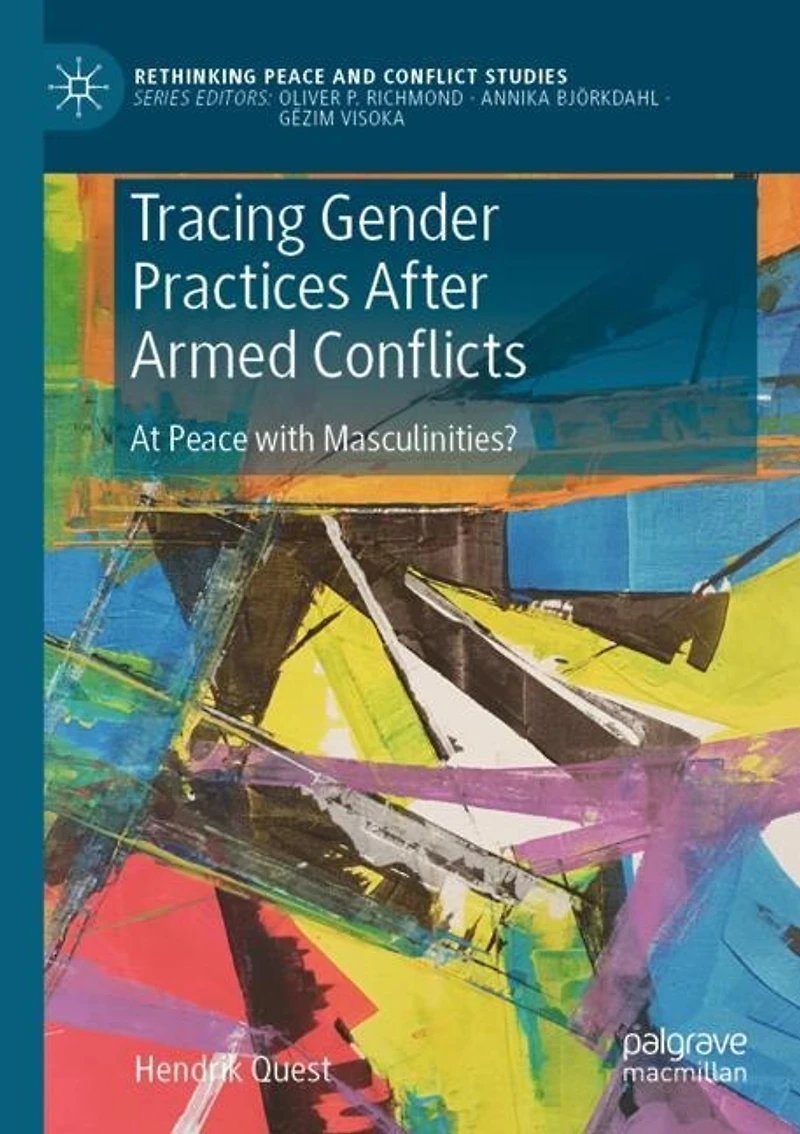
Tracing Gender Practices After Armed Conflicts: At Peace with Masculinities? in Ottawa, ON
Current price: $248.50

Tracing Gender Practices After Armed Conflicts: At Peace with Masculinities? in Ottawa, ON
Current price: $248.50
Loading Inventory...
Size: Paperback
*Product information may vary - to confirm product availability, pricing, shipping and return information please contact Coles
This book offers a unique perspective on changing gender practices in post-conflict societies, looking at when and how masculinities change after armed conflicts. Building on original research data from Liberia, chapters look at the pathways of change in societal discourses, security sector institutions, and at the level of formatter combatants. Scrutinising the potential of peacebuilding for making conflict-related masculinities change after armed conflicts, the book develops a theoretical model that helps to understand both how violence-centred masculinities change after armed conflicts, and why profound changes of violent gender practices occur only rarely. What this book hopes to show is that masculinities can and do change after armed conflicts. Illuminating the intricate interrelationship between gendered practices within societal discourses, security sector institutions, and at the individual level in post-conflict societies, this book constitutes an invitation to rethinking ourunderstanding of peacebuilding practices and their interconnectedness with gender, violence, and peace.
This book offers a unique perspective on changing gender practices in post-conflict societies, looking at when and how masculinities change after armed conflicts. Building on original research data from Liberia, chapters look at the pathways of change in societal discourses, security sector institutions, and at the level of formatter combatants. Scrutinising the potential of peacebuilding for making conflict-related masculinities change after armed conflicts, the book develops a theoretical model that helps to understand both how violence-centred masculinities change after armed conflicts, and why profound changes of violent gender practices occur only rarely. What this book hopes to show is that masculinities can and do change after armed conflicts. Illuminating the intricate interrelationship between gendered practices within societal discourses, security sector institutions, and at the individual level in post-conflict societies, this book constitutes an invitation to rethinking ourunderstanding of peacebuilding practices and their interconnectedness with gender, violence, and peace.
You May Also Like








More About Coles at Bayshore Shopping Centre
Coles is renowned for its outstanding customer service and great selection of books. Along with the vast array of magazines, stationary, audio-books, children's literature, fiction, non-fiction and reference books, you can find accessories to make your reading experience more pleasurable. We can recommend the very best in reading today. We will help you search our titles for exactly what you need, and if we do not have it in stock, we will order it for you.
100 Bayshore Dr, Nepean, ON K2B 8C1, Canada
Find Coles at Bayshore Shopping Centre in Ottawa, ON
Visit Coles at Bayshore Shopping Centre in Ottawa, ON