

Give the Gift of Choice!
Too many options? Treat your friends and family to their favourite stores with a Bayshore Shopping Centre gift card, redeemable at participating retailers throughout the centre. Click below to purchase yours today!Purchase HereHome
Tracing the History of Contemporary Taiwan's Aboriginal Groups: From Periphery to Centre
Coles
Loading Inventory...
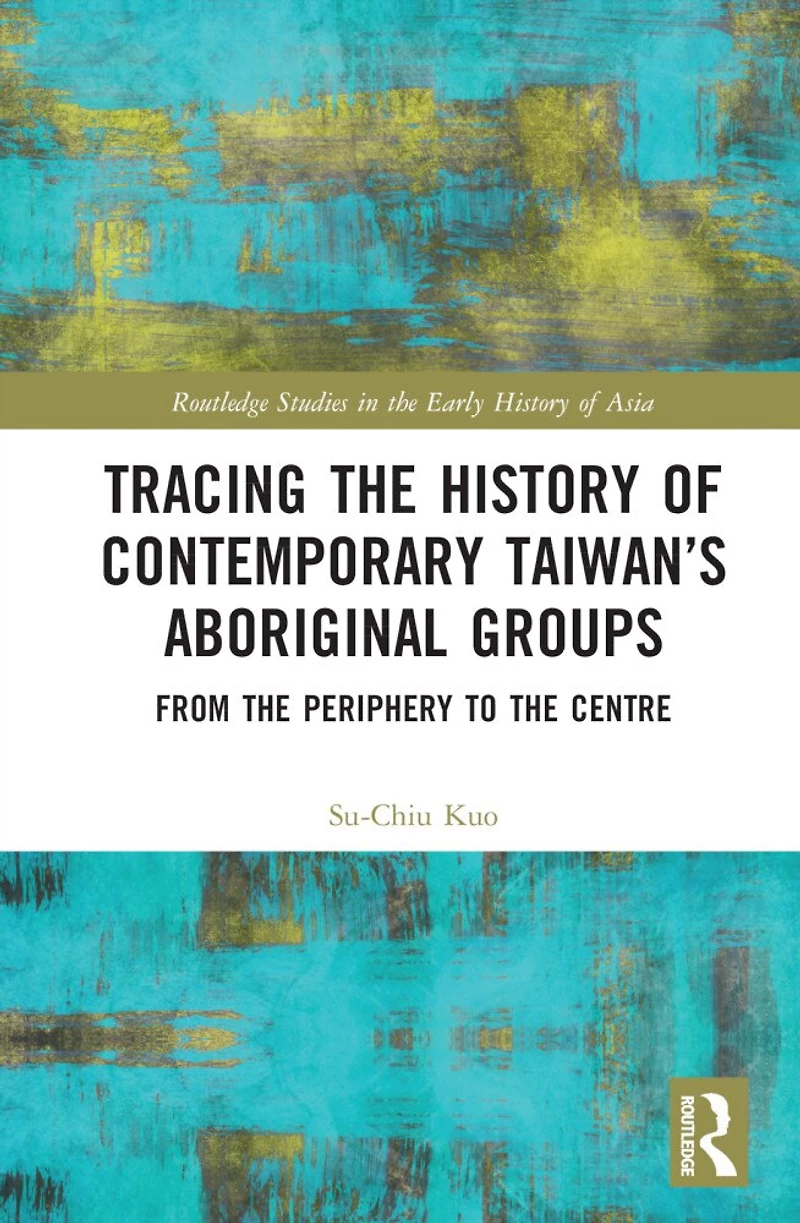
Tracing the History of Contemporary Taiwan's Aboriginal Groups: From Periphery to Centre in Ottawa, ON
Current price: $296.50

Tracing the History of Contemporary Taiwan's Aboriginal Groups: From Periphery to Centre in Ottawa, ON
Current price: $296.50
Loading Inventory...
Size: Hardcover
*Product information may vary - to confirm product availability, pricing, shipping and return information please contact Coles
Using archaeological evidence, the author investigates the prehistories of Austronesian migrants to Taiwan and their connections to contemporary peoples in Taiwan. Due to its unique geographic location, Taiwan has played a significant role in various peoples' maritime migrations and the process of cultural interactions for tens of thousands of years. Within the history of humankind, Taiwan has also evidenced a high degree of cultural continuity. Paleolithic people had already settled on the island at least 30,000 years ago, but Taiwan only entered the historical period as recently as the 17th century. Before this, there was a long and continuous development over the prehistoric period. To this day there are at least 20 different indigenous ethnic groups on the island, totalling over half a million people, all of whom speak Austronesian languages. Investigating the archaeology of abandoned villages, Kuo takes the Paiwan and Sanhe cultures as key case studies of these groups. This book provides valuable insight for historians and archaeologists of Taiwan, and scholars of prehistoric Austronesian migration.
Using archaeological evidence, the author investigates the prehistories of Austronesian migrants to Taiwan and their connections to contemporary peoples in Taiwan. Due to its unique geographic location, Taiwan has played a significant role in various peoples' maritime migrations and the process of cultural interactions for tens of thousands of years. Within the history of humankind, Taiwan has also evidenced a high degree of cultural continuity. Paleolithic people had already settled on the island at least 30,000 years ago, but Taiwan only entered the historical period as recently as the 17th century. Before this, there was a long and continuous development over the prehistoric period. To this day there are at least 20 different indigenous ethnic groups on the island, totalling over half a million people, all of whom speak Austronesian languages. Investigating the archaeology of abandoned villages, Kuo takes the Paiwan and Sanhe cultures as key case studies of these groups. This book provides valuable insight for historians and archaeologists of Taiwan, and scholars of prehistoric Austronesian migration.
You May Also Like











More About Coles at Bayshore Shopping Centre
Coles is renowned for its outstanding customer service and great selection of books. Along with the vast array of magazines, stationary, audio-books, children's literature, fiction, non-fiction and reference books, you can find accessories to make your reading experience more pleasurable. We can recommend the very best in reading today. We will help you search our titles for exactly what you need, and if we do not have it in stock, we will order it for you.
100 Bayshore Dr, Nepean, ON K2B 8C1, Canada
Find Coles at Bayshore Shopping Centre in Ottawa, ON
Visit Coles at Bayshore Shopping Centre in Ottawa, ON