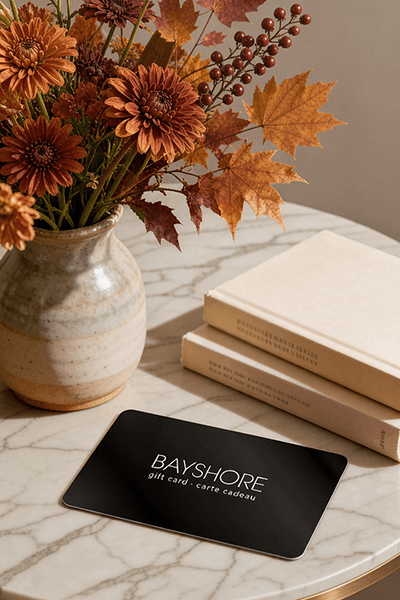
Too many options? Treat your friends and family to their favourite stores with a Bayshore Shopping Centre gift card, redeemable at participating retailers throughout the centre. Click below to purchase yours today!Purchase Here
Coles Transcultural Lyricism: Translation, Intertextuality, and the Rise of Emotion in Modern Chinese Love Fiction, 1899–1925 at Bayshore Shopping Centre in Ottawa, ON
*Product information may vary - to confirm product availability, pricing, shipping and return information please contact Coles
In Transcultural Lyricism: Translation, Intertextuality, and the Rise of Emotion in Modern Chinese Love Fiction, 1899–1925 , Jane Qian Liu examines the profound transformation of emotional expression in Chinese fiction between the years 1899 and 1925. While modern Chinese literature is known to have absorbed narrative modes of Western literatures, it also learned radically new ways to convey emotions.
Drawn from an interdisciplinary mixture of literary, cultural and translation studies, Jane Qian Liu brings fresh insights into the study of intercultural literary interpretation and influence. She convincingly proves that Chinese writer-translators in early twentieth century were able to find new channels and modes to express emotional content through new combinations of traditional Chinese and Western techniques.
In Transcultural Lyricism: Translation, Intertextuality, and the Rise of Emotion in Modern Chinese Love Fiction, 1899–1925 , Jane Qian Liu examines the profound transformation of emotional expression in Chinese fiction between the years 1899 and 1925. While modern Chinese literature is known to have absorbed narrative modes of Western literatures, it also learned radically new ways to convey emotions.
Drawn from an interdisciplinary mixture of literary, cultural and translation studies, Jane Qian Liu brings fresh insights into the study of intercultural literary interpretation and influence. She convincingly proves that Chinese writer-translators in early twentieth century were able to find new channels and modes to express emotional content through new combinations of traditional Chinese and Western techniques.
Coles is renowned for its outstanding customer service and great selection of books. Along with the vast array of magazines, stationary, audio-books, children's literature, fiction, non-fiction and reference books, you can find accessories to make your reading experience more pleasurable. We can recommend the very best in reading today. We will help you search our titles for exactly what you need, and if we do not have it in stock, we will order it for you.