

Give the Gift of Choice!
Too many options? Treat your friends and family to their favourite stores with a Bayshore Shopping Centre gift card, redeemable at participating retailers throughout the centre. Click below to purchase yours today!Purchase HereHome
Transformative Translanguaging Espacios: Latinx Students And Their Teachers Rompiendo Fronteras Sin Miedo
Coles
Loading Inventory...
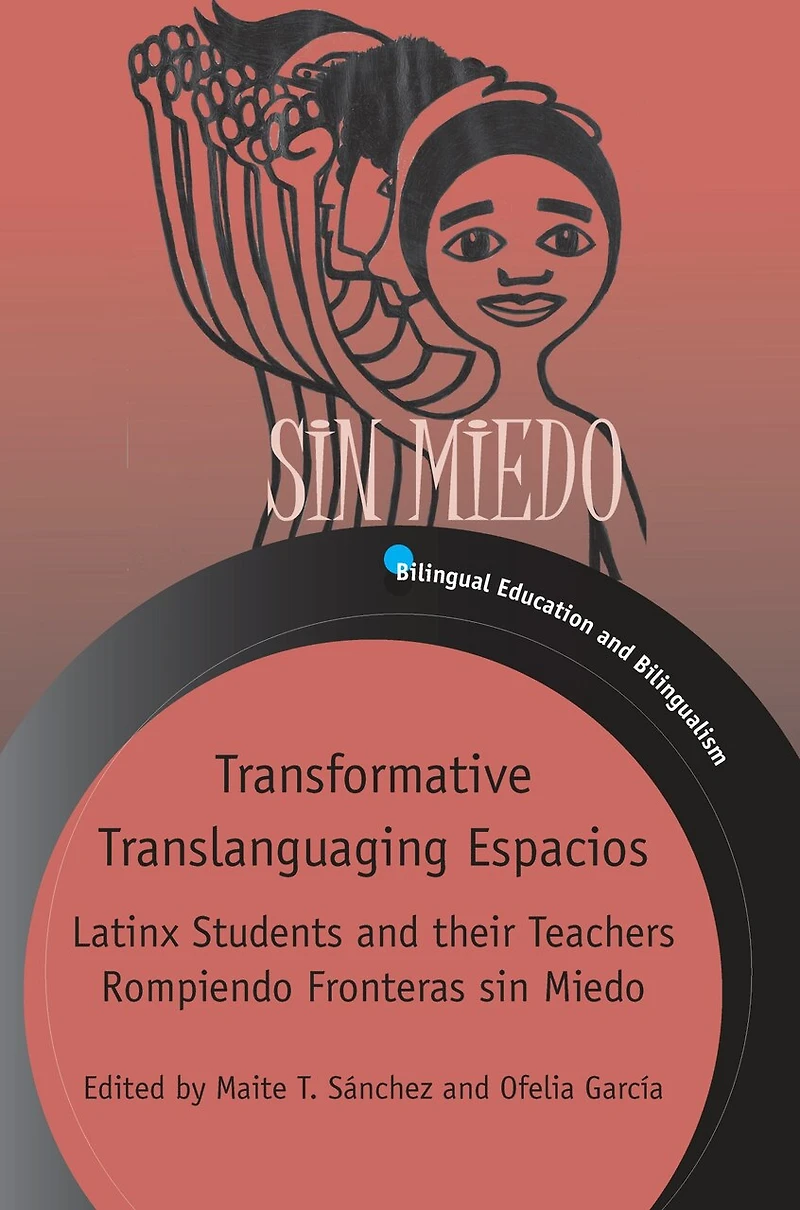
Transformative Translanguaging Espacios: Latinx Students And Their Teachers Rompiendo Fronteras Sin Miedo in Ottawa, ON
Current price: $239.95

Transformative Translanguaging Espacios: Latinx Students And Their Teachers Rompiendo Fronteras Sin Miedo in Ottawa, ON
Current price: $239.95
Loading Inventory...
Size: Hardcover
*Product information may vary - to confirm product availability, pricing, shipping and return information please contact Coles
This book contributes to the understanding of the transformative power of incorporating translanguaging, the dynamic language practices of bi/multilingual communities, in the schooling of US Latinx children and youth. It showcases instructional spaces in US education where Latinx children’s and youths’ translanguaging is at the center of their teaching and learning. By centering racialized Latinx bilingual students, including their knowledge systems and cultural and linguistic practices, it transforms the monolingual-white supremacy ideology of many educational spaces. In so doing, racialized bilingual Latinx subjectivities are potentially transformed, as students learn to understand processes of colonization and domination that have robbed them of opportunities to use their entire semiotic repertoire in learning. The book makes a strong theoretical contribution to the field, putting decolonial, post-structuralist understandings of language and bilingualism alongside critical race theory and critical pedagogy.
This book contributes to the understanding of the transformative power of incorporating translanguaging, the dynamic language practices of bi/multilingual communities, in the schooling of US Latinx children and youth. It showcases instructional spaces in US education where Latinx children’s and youths’ translanguaging is at the center of their teaching and learning. By centering racialized Latinx bilingual students, including their knowledge systems and cultural and linguistic practices, it transforms the monolingual-white supremacy ideology of many educational spaces. In so doing, racialized bilingual Latinx subjectivities are potentially transformed, as students learn to understand processes of colonization and domination that have robbed them of opportunities to use their entire semiotic repertoire in learning. The book makes a strong theoretical contribution to the field, putting decolonial, post-structuralist understandings of language and bilingualism alongside critical race theory and critical pedagogy.
You May Also Like











More About Coles at Bayshore Shopping Centre
Coles is renowned for its outstanding customer service and great selection of books. Along with the vast array of magazines, stationary, audio-books, children's literature, fiction, non-fiction and reference books, you can find accessories to make your reading experience more pleasurable. We can recommend the very best in reading today. We will help you search our titles for exactly what you need, and if we do not have it in stock, we will order it for you.
100 Bayshore Dr, Nepean, ON K2B 8C1, Canada
Find Coles at Bayshore Shopping Centre in Ottawa, ON
Visit Coles at Bayshore Shopping Centre in Ottawa, ON