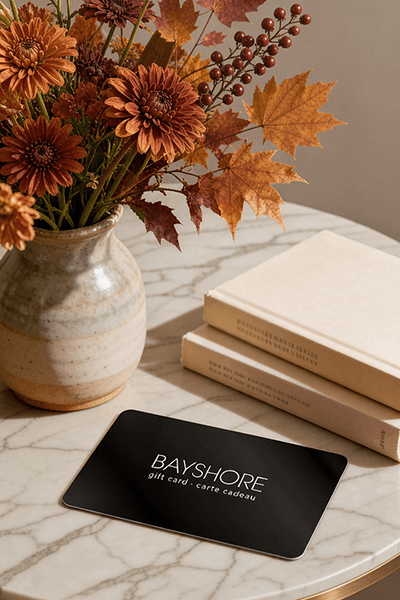
Too many options? Treat your friends and family to their favourite stores with a Bayshore Shopping Centre gift card, redeemable at participating retailers throughout the centre. Click below to purchase yours today!Purchase Here
*Product information may vary - to confirm product availability, pricing, shipping and return information please contact Coles
The belief that dead people could assume non-human forms is attested in Egyptian texts of all periods, from the Old Kingdom down to Graeco-Roman times. It was thought that assuming such forms enhanced their freedom of movement and access to nourishment in the afterlife, as well as allowing them to join the entourages of different deities and participate in their worship. Spells referring to or enabling the deceased’s transformations occur in the Pyramid Texts, the Coffin Texts, and the Book of the Dead. But it is not until the Graeco-Roman Period that we find entire compositions devoted to this theme. Two of the most important are P. Louvre N. 3122 and P. Berlin P. 3162, both written in hieratic and dating to the 1st century AD. Both texts have been known to Egyptologists for more than a century, but neither is currently available in an up-to-date comprehensive edition. This book provides such an edition, including high-resolution images of the manuscripts, hieroglyphic transcriptions, translations, descriptions of their material aspects, studies of their owners, their titles, and their families, reconstructions of their context of usage, analyses of their orthography and grammar, and detailed commentaries on their contents.
The belief that dead people could assume non-human forms is attested in Egyptian texts of all periods, from the Old Kingdom down to Graeco-Roman times. It was thought that assuming such forms enhanced their freedom of movement and access to nourishment in the afterlife, as well as allowing them to join the entourages of different deities and participate in their worship. Spells referring to or enabling the deceased’s transformations occur in the Pyramid Texts, the Coffin Texts, and the Book of the Dead. But it is not until the Graeco-Roman Period that we find entire compositions devoted to this theme. Two of the most important are P. Louvre N. 3122 and P. Berlin P. 3162, both written in hieratic and dating to the 1st century AD. Both texts have been known to Egyptologists for more than a century, but neither is currently available in an up-to-date comprehensive edition. This book provides such an edition, including high-resolution images of the manuscripts, hieroglyphic transcriptions, translations, descriptions of their material aspects, studies of their owners, their titles, and their families, reconstructions of their context of usage, analyses of their orthography and grammar, and detailed commentaries on their contents.
Coles is renowned for its outstanding customer service and great selection of books. Along with the vast array of magazines, stationary, audio-books, children's literature, fiction, non-fiction and reference books, you can find accessories to make your reading experience more pleasurable. We can recommend the very best in reading today. We will help you search our titles for exactly what you need, and if we do not have it in stock, we will order it for you.