

Give the Gift of Choice!
Too many options? Treat your friends and family to their favourite stores with a Bayshore Shopping Centre gift card, redeemable at participating retailers throughout the centre. Click below to purchase yours today!Purchase HereHome
Translanguaging, Coloniality and Decolonial Cracks: Bilingual Science Learning South Africa
Coles
Loading Inventory...
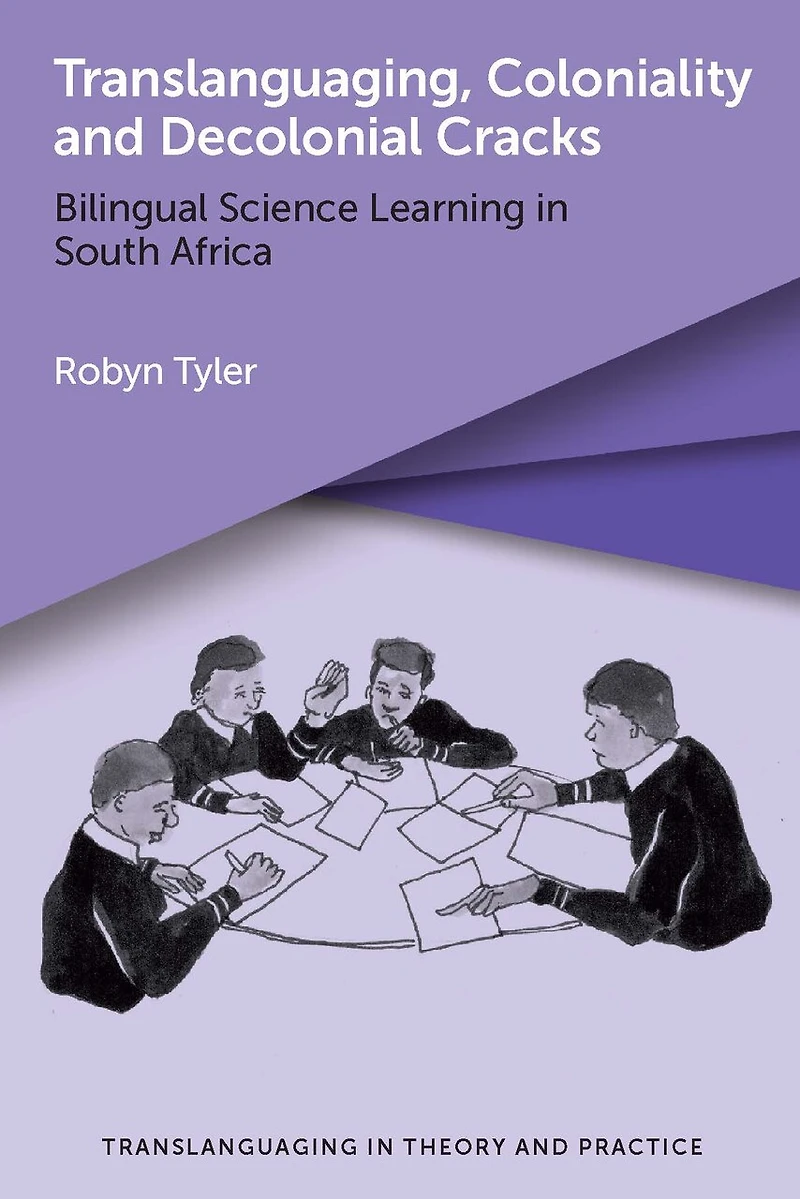
Translanguaging, Coloniality and Decolonial Cracks: Bilingual Science Learning South Africa in Ottawa, ON
Current price: $224.95

Translanguaging, Coloniality and Decolonial Cracks: Bilingual Science Learning South Africa in Ottawa, ON
Current price: $224.95
Loading Inventory...
Size: Hardcover
*Product information may vary - to confirm product availability, pricing, shipping and return information please contact Coles
In this linguistic ethnography of bilingual science learning in a South African high school, the author connects microanalyses of classroom discourse to broader themes of de/coloniality in education. The book challenges the deficit narrative often used to characterise the capabilities of linguistically-minoritised youth, and explores the challenges and opportunities associated with leveraging students’ full semiotic repertoires in learning specific concepts. The author examines the linguistic landscape of the school and the beliefs and attitudes of staff and students which produce both coloniality and cracks in the edifice of coloniality. A critical translanguaging lens is applied to analyse multilingual and multimodal aspects of students’ science meaning-making in a traditional classroom and a study group intervention. Finally, the book suggests implications for decolonial pedagogical translanguaging in Southern multilingual classrooms.
In this linguistic ethnography of bilingual science learning in a South African high school, the author connects microanalyses of classroom discourse to broader themes of de/coloniality in education. The book challenges the deficit narrative often used to characterise the capabilities of linguistically-minoritised youth, and explores the challenges and opportunities associated with leveraging students’ full semiotic repertoires in learning specific concepts. The author examines the linguistic landscape of the school and the beliefs and attitudes of staff and students which produce both coloniality and cracks in the edifice of coloniality. A critical translanguaging lens is applied to analyse multilingual and multimodal aspects of students’ science meaning-making in a traditional classroom and a study group intervention. Finally, the book suggests implications for decolonial pedagogical translanguaging in Southern multilingual classrooms.








More About Coles at Bayshore Shopping Centre
Coles is renowned for its outstanding customer service and great selection of books. Along with the vast array of magazines, stationary, audio-books, children's literature, fiction, non-fiction and reference books, you can find accessories to make your reading experience more pleasurable. We can recommend the very best in reading today. We will help you search our titles for exactly what you need, and if we do not have it in stock, we will order it for you.
100 Bayshore Dr, Nepean, ON K2B 8C1, Canada
Find Coles at Bayshore Shopping Centre in Ottawa, ON
Visit Coles at Bayshore Shopping Centre in Ottawa, ON