

Give the Gift of Choice!
Too many options? Treat your friends and family to their favourite stores with a Bayshore Shopping Centre gift card, redeemable at participating retailers throughout the centre. Click below to purchase yours today!Purchase HereHome
Transmission Electron Microscopy: Imaging and Analysis
Coles
Loading Inventory...
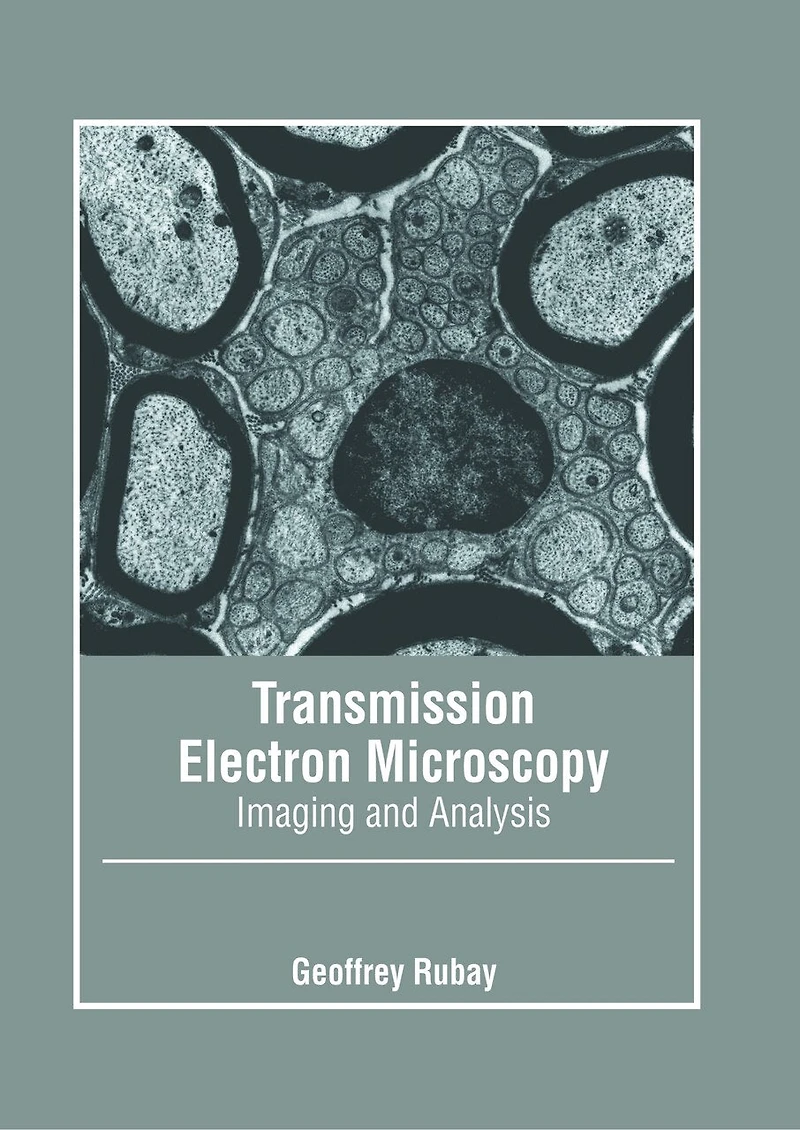
Transmission Electron Microscopy: Imaging and Analysis in Ottawa, ON
Current price: $205.50

Transmission Electron Microscopy: Imaging and Analysis in Ottawa, ON
Current price: $205.50
Loading Inventory...
Size: Hardcover
*Product information may vary - to confirm product availability, pricing, shipping and return information please contact Coles
Transmission Electron Microscopy (TEM) is an advanced imaging technique used to observe the ultrastructure of specimens at a very high magnification. In TEM, a beam of electrons passes through a thin specimen, interacting with the sample to produce an image. This method allows for detailed examination of the internal structure of cells, tissues and even individual molecules. TEM operates on the principle of electron wave interference, which provides much higher resolution than light microscopy. This enables scientists to visualise fine details such as organelles within cells, virus particles and atomic arrangements in materials. Although TEM requires specialised equipment and preparation of ultra-thin samples, its ability to reveal intricate details at the nanoscale has made it essential in fields such as biology, materials science and nanotechnology. The book presents research and studies performed by experts across the globe. The various studies that are constantly contributing towards advancing technologies and evolution of this field are examined in detail. It is a vital tool for all researching and studying this field.
Transmission Electron Microscopy (TEM) is an advanced imaging technique used to observe the ultrastructure of specimens at a very high magnification. In TEM, a beam of electrons passes through a thin specimen, interacting with the sample to produce an image. This method allows for detailed examination of the internal structure of cells, tissues and even individual molecules. TEM operates on the principle of electron wave interference, which provides much higher resolution than light microscopy. This enables scientists to visualise fine details such as organelles within cells, virus particles and atomic arrangements in materials. Although TEM requires specialised equipment and preparation of ultra-thin samples, its ability to reveal intricate details at the nanoscale has made it essential in fields such as biology, materials science and nanotechnology. The book presents research and studies performed by experts across the globe. The various studies that are constantly contributing towards advancing technologies and evolution of this field are examined in detail. It is a vital tool for all researching and studying this field.
You May Also Like







More About Coles at Bayshore Shopping Centre
Coles is renowned for its outstanding customer service and great selection of books. Along with the vast array of magazines, stationary, audio-books, children's literature, fiction, non-fiction and reference books, you can find accessories to make your reading experience more pleasurable. We can recommend the very best in reading today. We will help you search our titles for exactly what you need, and if we do not have it in stock, we will order it for you.
100 Bayshore Dr, Nepean, ON K2B 8C1, Canada
Find Coles at Bayshore Shopping Centre in Ottawa, ON
Visit Coles at Bayshore Shopping Centre in Ottawa, ON