

Give the Gift of Choice!
Too many options? Treat your friends and family to their favourite stores with a Bayshore Shopping Centre gift card, redeemable at participating retailers throughout the centre. Click below to purchase yours today!Purchase HereHome
Transnational Cinema Solidarity: Chilean Exile Film and Video after 1973
Coles
Loading Inventory...
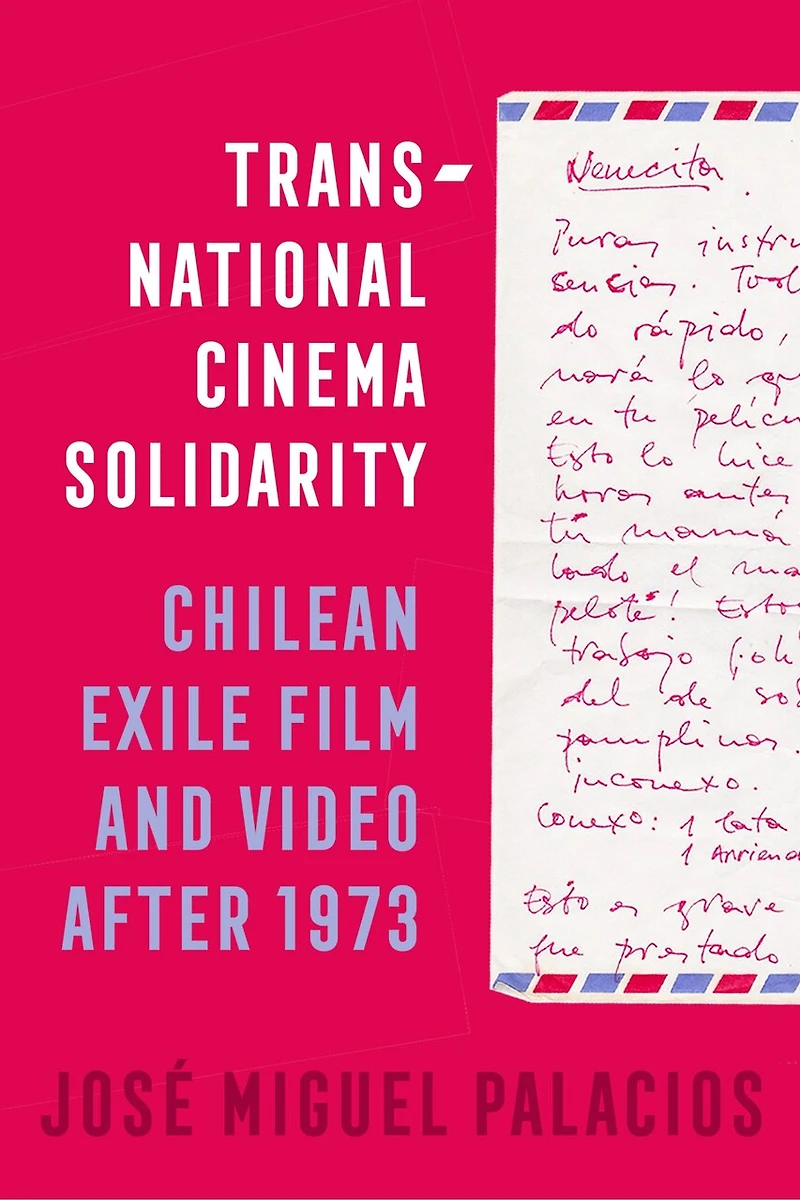
Transnational Cinema Solidarity: Chilean Exile Film and Video after 1973 in Ottawa, ON
Current price: $122.46

Transnational Cinema Solidarity: Chilean Exile Film and Video after 1973 in Ottawa, ON
Current price: $122.46
Loading Inventory...
Size: Hardcover
*Product information may vary - to confirm product availability, pricing, shipping and return information please contact Coles
After the 1973 coup that put an end to the socialist government of Salvador Allende, most Chilean filmmakers went into exile. Dispersed all over the world, they made more than two hundred fiction films, documentaries, animations, videos, and works for television. José Miguel Palacios builds upon extensive archival research to trace a transnational history of this radical cinema, beginning with its emergence out of global solidarity networks in the 1970s. Chronicling the dangerous efforts to smuggle film reels out of Chile, the discourses of political cinema these films inspired as they traveled between film festivals, and the prints’ unfinished process of return to Chilean archives and museums over the past two decades, Transnational Cinema Solidarity offers a politicized understanding of world and transnational cinema that emphasizes geopolitical relations and cinematic alliances based on solidarity.
After the 1973 coup that put an end to the socialist government of Salvador Allende, most Chilean filmmakers went into exile. Dispersed all over the world, they made more than two hundred fiction films, documentaries, animations, videos, and works for television. José Miguel Palacios builds upon extensive archival research to trace a transnational history of this radical cinema, beginning with its emergence out of global solidarity networks in the 1970s. Chronicling the dangerous efforts to smuggle film reels out of Chile, the discourses of political cinema these films inspired as they traveled between film festivals, and the prints’ unfinished process of return to Chilean archives and museums over the past two decades, Transnational Cinema Solidarity offers a politicized understanding of world and transnational cinema that emphasizes geopolitical relations and cinematic alliances based on solidarity.
You May Also Like


















More About Coles at Bayshore Shopping Centre
Coles is renowned for its outstanding customer service and great selection of books. Along with the vast array of magazines, stationary, audio-books, children's literature, fiction, non-fiction and reference books, you can find accessories to make your reading experience more pleasurable. We can recommend the very best in reading today. We will help you search our titles for exactly what you need, and if we do not have it in stock, we will order it for you.
100 Bayshore Dr, Nepean, ON K2B 8C1, Canada
Find Coles at Bayshore Shopping Centre in Ottawa, ON
Visit Coles at Bayshore Shopping Centre in Ottawa, ON