

Give the Gift of Choice!
Too many options? Treat your friends and family to their favourite stores with a Bayshore Shopping Centre gift card, redeemable at participating retailers throughout the centre. Click below to purchase yours today!Purchase HereHome
Transnational Korean Cinema: Cultural Politics, Film Genres, And Digital Technologies
Coles
Loading Inventory...
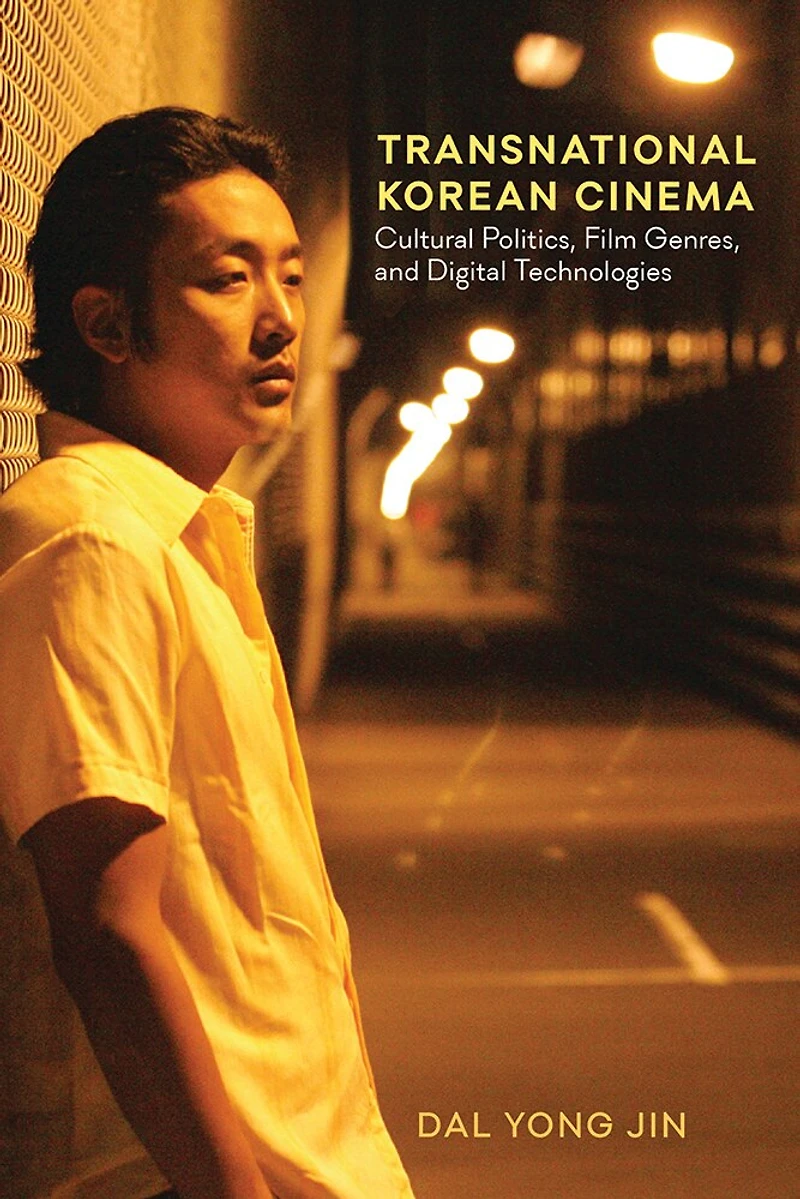
Transnational Korean Cinema: Cultural Politics, Film Genres, And Digital Technologies in Ottawa, ON
Current price: $150.00

Transnational Korean Cinema: Cultural Politics, Film Genres, And Digital Technologies in Ottawa, ON
Current price: $150.00
Loading Inventory...
Size: Hardcover
*Product information may vary - to confirm product availability, pricing, shipping and return information please contact Coles
In Transnational Korean Cinema author Dal Yong Jin explores the interactions of local and global politics, economics, and culture to contextualize the development of Korean cinema and its current place in an era of neoliberal globalization and convergent digital technologies.
The book emphasizes the economic and industrial aspects of the story, looking at questions on the interaction of politics and economics, including censorship and public funding, and provides a better view of the big picture by laying bare the relationship between film industries, the global market, and government. Jin also sheds light on the operations and globalization strategies of Korean film industries alongside changing cultural policies in tandem with Hollywood’s continuing influences in order to comprehend the power relations within cultural politics, nationally and globally. This is the first book to offer a full overview of the nascent development of Korean cinema.
In Transnational Korean Cinema author Dal Yong Jin explores the interactions of local and global politics, economics, and culture to contextualize the development of Korean cinema and its current place in an era of neoliberal globalization and convergent digital technologies.
The book emphasizes the economic and industrial aspects of the story, looking at questions on the interaction of politics and economics, including censorship and public funding, and provides a better view of the big picture by laying bare the relationship between film industries, the global market, and government. Jin also sheds light on the operations and globalization strategies of Korean film industries alongside changing cultural policies in tandem with Hollywood’s continuing influences in order to comprehend the power relations within cultural politics, nationally and globally. This is the first book to offer a full overview of the nascent development of Korean cinema.
You May Also Like









More About Coles at Bayshore Shopping Centre
Coles is renowned for its outstanding customer service and great selection of books. Along with the vast array of magazines, stationary, audio-books, children's literature, fiction, non-fiction and reference books, you can find accessories to make your reading experience more pleasurable. We can recommend the very best in reading today. We will help you search our titles for exactly what you need, and if we do not have it in stock, we will order it for you.
100 Bayshore Dr, Nepean, ON K2B 8C1, Canada
Find Coles at Bayshore Shopping Centre in Ottawa, ON
Visit Coles at Bayshore Shopping Centre in Ottawa, ON