

Give the Gift of Choice!
Too many options? Treat your friends and family to their favourite stores with a Bayshore Shopping Centre gift card, redeemable at participating retailers throughout the centre. Click below to purchase yours today!Purchase HereHome
Trashing the Planet: How Science Can Help Us Deal with Acid Rain, Depletion of Ozone, and Nuclear Waste (among Other Things)
Coles
Loading Inventory...
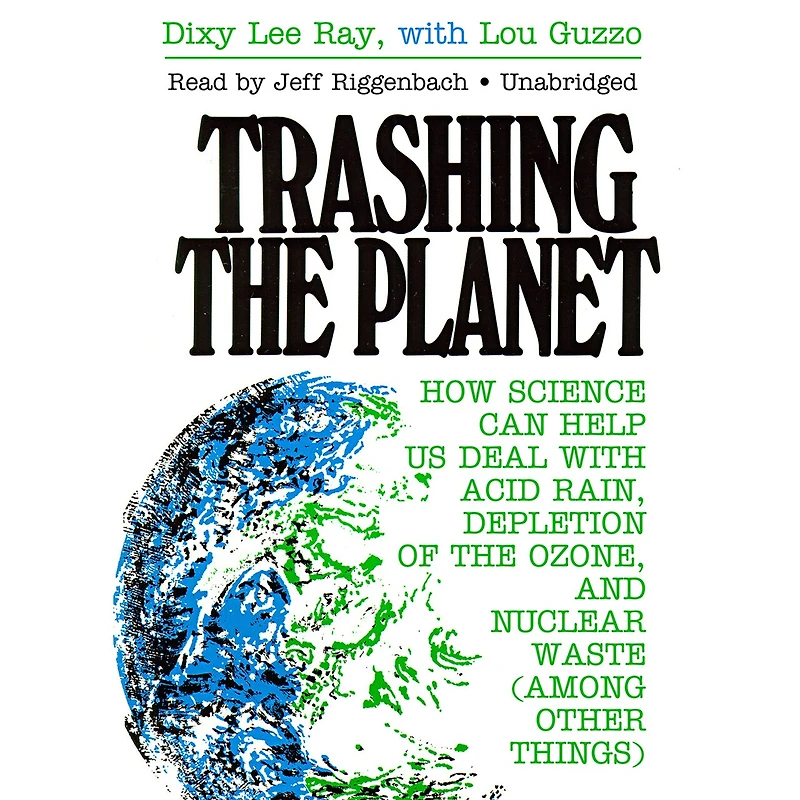
Trashing the Planet: How Science Can Help Us Deal with Acid Rain, Depletion of Ozone, and Nuclear Waste (among Other Things) in Ottawa, ON
Current price: $46.95

Trashing the Planet: How Science Can Help Us Deal with Acid Rain, Depletion of Ozone, and Nuclear Waste (among Other Things) in Ottawa, ON
Current price: $46.95
Loading Inventory...
Size: Audiobook (2011)
*Product information may vary - to confirm product availability, pricing, shipping and return information please contact Coles
Trashing the Planet is the one book you need to get a commonsense grasp on the contentious issues of environmentalism, where science and politics overlap and well-meaning idealism turns to counterproductive ecoterrorism. Dixy Lee Ray, a marine biologist and former chair of the Atomic Energy Commission, calls for environmentalists to regain a sense of perspective and not let their ardor carry them into the realm of “noble lies.” Dr. Ray exposes how little the public knows about the environment, how piddling are man’s influences upon it—volcanoes shoot more pollutants into the atmosphere than do all of man’s industrial activities—and how complex are the interactions of natural phenomena. Reminding us that “a well-tended garden is better than a neglected woodlot,” Trashing the Planet is a breath of fresh air in the current debate dominated by rhetorical extremism.
Trashing the Planet is the one book you need to get a commonsense grasp on the contentious issues of environmentalism, where science and politics overlap and well-meaning idealism turns to counterproductive ecoterrorism. Dixy Lee Ray, a marine biologist and former chair of the Atomic Energy Commission, calls for environmentalists to regain a sense of perspective and not let their ardor carry them into the realm of “noble lies.” Dr. Ray exposes how little the public knows about the environment, how piddling are man’s influences upon it—volcanoes shoot more pollutants into the atmosphere than do all of man’s industrial activities—and how complex are the interactions of natural phenomena. Reminding us that “a well-tended garden is better than a neglected woodlot,” Trashing the Planet is a breath of fresh air in the current debate dominated by rhetorical extremism.
You May Also Like












More About Coles at Bayshore Shopping Centre
Coles is renowned for its outstanding customer service and great selection of books. Along with the vast array of magazines, stationary, audio-books, children's literature, fiction, non-fiction and reference books, you can find accessories to make your reading experience more pleasurable. We can recommend the very best in reading today. We will help you search our titles for exactly what you need, and if we do not have it in stock, we will order it for you.
100 Bayshore Dr, Nepean, ON K2B 8C1, Canada
Find Coles at Bayshore Shopping Centre in Ottawa, ON
Visit Coles at Bayshore Shopping Centre in Ottawa, ON