

Give the Gift of Choice!
Too many options? Treat your friends and family to their favourite stores with a Bayshore Shopping Centre gift card, redeemable at participating retailers throughout the centre. Click below to purchase yours today!Purchase HereHome
Trauma-Informed Forensic Practice
Coles
Loading Inventory...
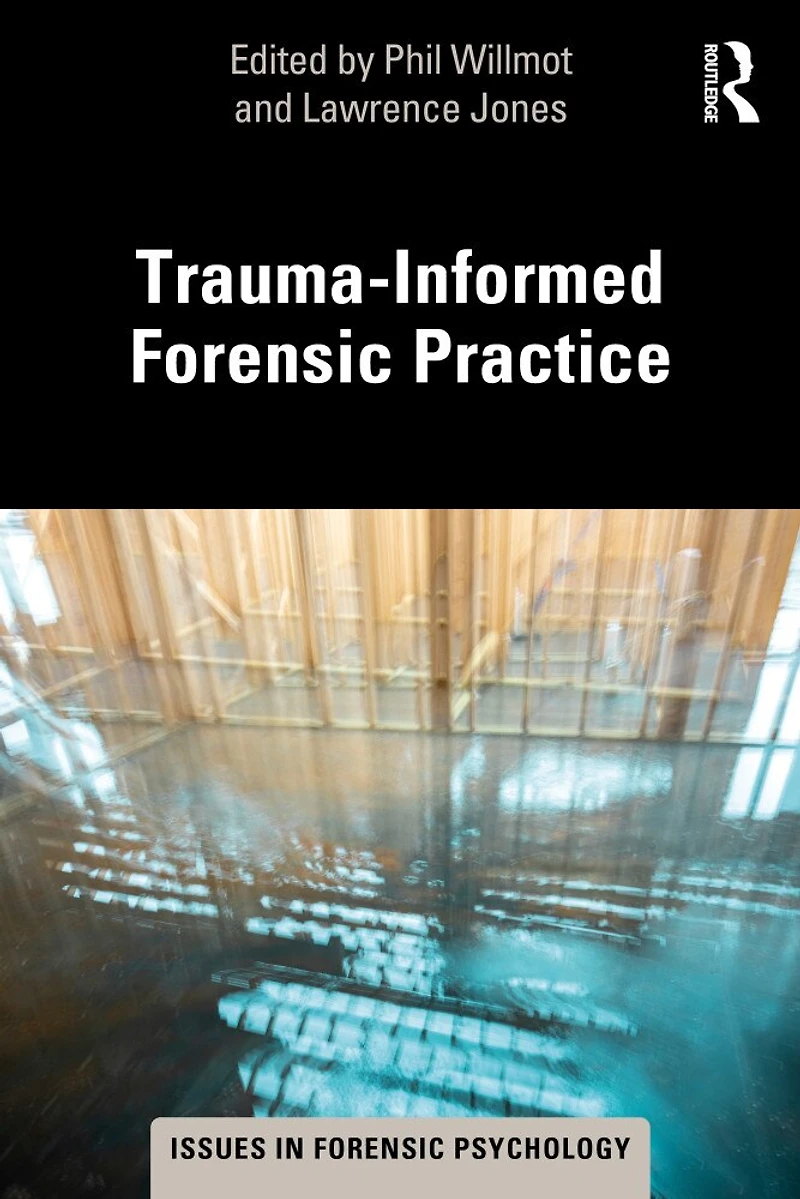
Trauma-Informed Forensic Practice in Ottawa, ON
Current price: $93.63

Trauma-Informed Forensic Practice in Ottawa, ON
Current price: $93.63
Loading Inventory...
Size: Kobo eBook
*Product information may vary - to confirm product availability, pricing, shipping and return information please contact Coles
Trauma-Informed Forensic Practice argues for placing trauma-informed practice and thinking at the heart of forensic services. It is written by forensic practitioners and service users from prison and forensic mental health, youth justice, and social care settings. It provides a compassionate theoretical framework for understanding the links between trauma and offending. It also gives practical guidance on working with issues that are particularly associated with a history of trauma in forensic settings, such as self-harm and substance use, as well as on working with groups who are particularly vulnerable to trauma, such as those with intellectual disabilities and military veterans. Finally, it considers organisational aspects of delivering trauma-informed care, not just for service users but for the staff who work in challenging and dangerous forensic environments. The book is the first of its kind to address such a broad range of issues and settings. It is aimed at forensic practitioners who wish to develop their own trauma-informed practice or trauma-responsive services. It also provides an accessible introduction to trauma-informed forensic practice for undergraduate and postgraduate students.
Trauma-Informed Forensic Practice argues for placing trauma-informed practice and thinking at the heart of forensic services. It is written by forensic practitioners and service users from prison and forensic mental health, youth justice, and social care settings. It provides a compassionate theoretical framework for understanding the links between trauma and offending. It also gives practical guidance on working with issues that are particularly associated with a history of trauma in forensic settings, such as self-harm and substance use, as well as on working with groups who are particularly vulnerable to trauma, such as those with intellectual disabilities and military veterans. Finally, it considers organisational aspects of delivering trauma-informed care, not just for service users but for the staff who work in challenging and dangerous forensic environments. The book is the first of its kind to address such a broad range of issues and settings. It is aimed at forensic practitioners who wish to develop their own trauma-informed practice or trauma-responsive services. It also provides an accessible introduction to trauma-informed forensic practice for undergraduate and postgraduate students.
You May Also Like









More About Coles at Bayshore Shopping Centre
Coles is renowned for its outstanding customer service and great selection of books. Along with the vast array of magazines, stationary, audio-books, children's literature, fiction, non-fiction and reference books, you can find accessories to make your reading experience more pleasurable. We can recommend the very best in reading today. We will help you search our titles for exactly what you need, and if we do not have it in stock, we will order it for you.
100 Bayshore Dr, Nepean, ON K2B 8C1, Canada
Find Coles at Bayshore Shopping Centre in Ottawa, ON
Visit Coles at Bayshore Shopping Centre in Ottawa, ON