

Give the Gift of Choice!
Too many options? Treat your friends and family to their favourite stores with a Bayshore Shopping Centre gift card, redeemable at participating retailers throughout the centre. Click below to purchase yours today!Purchase HereHome
Trauma-Informed Treatment and Prevention of Intimate Partner Violence
Coles
Loading Inventory...
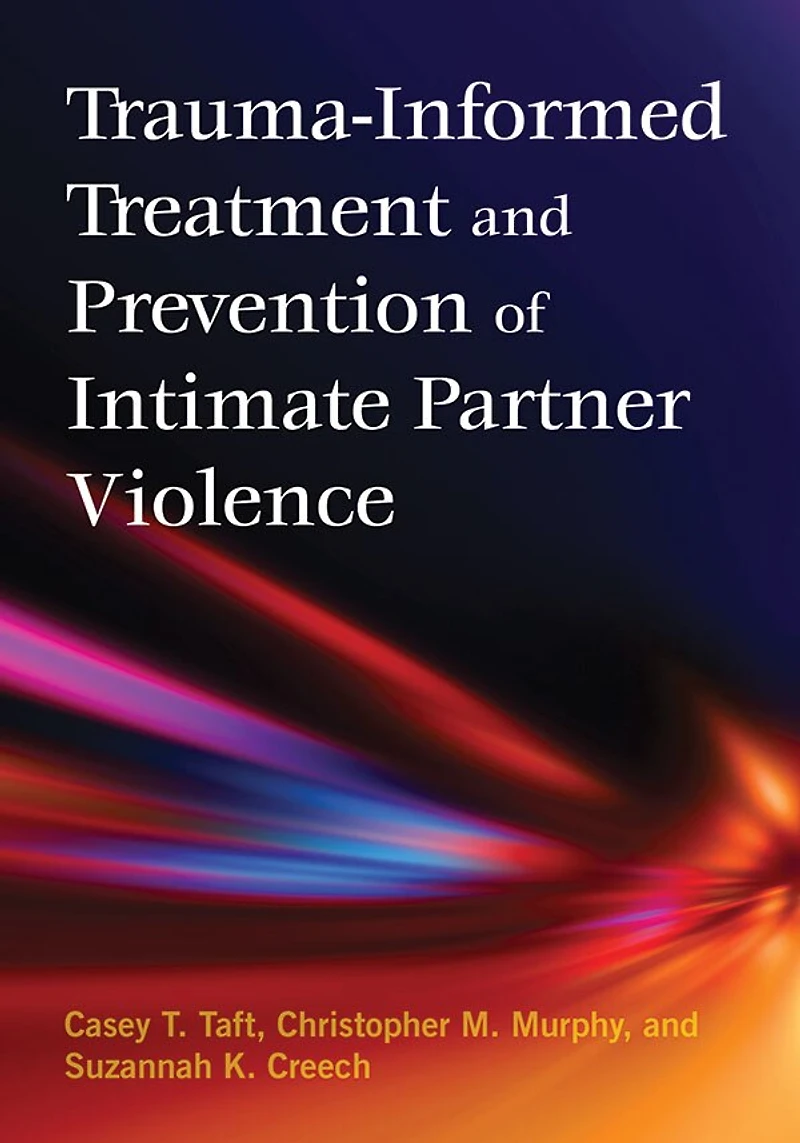
Trauma-Informed Treatment and Prevention of Intimate Partner Violence in Ottawa, ON
Current price: $112.50

Trauma-Informed Treatment and Prevention of Intimate Partner Violence in Ottawa, ON
Current price: $112.50
Loading Inventory...
Size: Hardcover
*Product information may vary - to confirm product availability, pricing, shipping and return information please contact Coles
Most models of Intimate Partner Violence (IPV) and training programs for practitioners who work with individuals who engage in IPV fail to take into consideration the impact of trauma on relationship functioning. This book gives mental health professionals the knowledge and skills they need to provide effective treatment to these individuals, the majority of whom have a history of exposure to trauma. The authors draw on their extensive clinical experience as well as extensive research to help clinicians assess and intervene both with military personnel and civilians who belong to this “hard to treat population. Their positive approach to treatment addresses trauma-related issues in those who experience IPV as well as those who engage in it. Clearly written and approachable, the book provides guidelines for intervention with groups, couples, and individuals, providing much-needed answers to both common and unexpected clinical challenges.
Most models of Intimate Partner Violence (IPV) and training programs for practitioners who work with individuals who engage in IPV fail to take into consideration the impact of trauma on relationship functioning. This book gives mental health professionals the knowledge and skills they need to provide effective treatment to these individuals, the majority of whom have a history of exposure to trauma. The authors draw on their extensive clinical experience as well as extensive research to help clinicians assess and intervene both with military personnel and civilians who belong to this “hard to treat population. Their positive approach to treatment addresses trauma-related issues in those who experience IPV as well as those who engage in it. Clearly written and approachable, the book provides guidelines for intervention with groups, couples, and individuals, providing much-needed answers to both common and unexpected clinical challenges.
You May Also Like










More About Coles at Bayshore Shopping Centre
Coles is renowned for its outstanding customer service and great selection of books. Along with the vast array of magazines, stationary, audio-books, children's literature, fiction, non-fiction and reference books, you can find accessories to make your reading experience more pleasurable. We can recommend the very best in reading today. We will help you search our titles for exactly what you need, and if we do not have it in stock, we will order it for you.
100 Bayshore Dr, Nepean, ON K2B 8C1, Canada
Find Coles at Bayshore Shopping Centre in Ottawa, ON
Visit Coles at Bayshore Shopping Centre in Ottawa, ON