

Give the Gift of Choice!
Too many options? Treat your friends and family to their favourite stores with a Bayshore Shopping Centre gift card, redeemable at participating retailers throughout the centre. Click below to purchase yours today!Purchase HereHome
Trends Teaching Experimentation the Life Sciences: Putting Research into Practice to Drive Institutional Change
Coles
Loading Inventory...
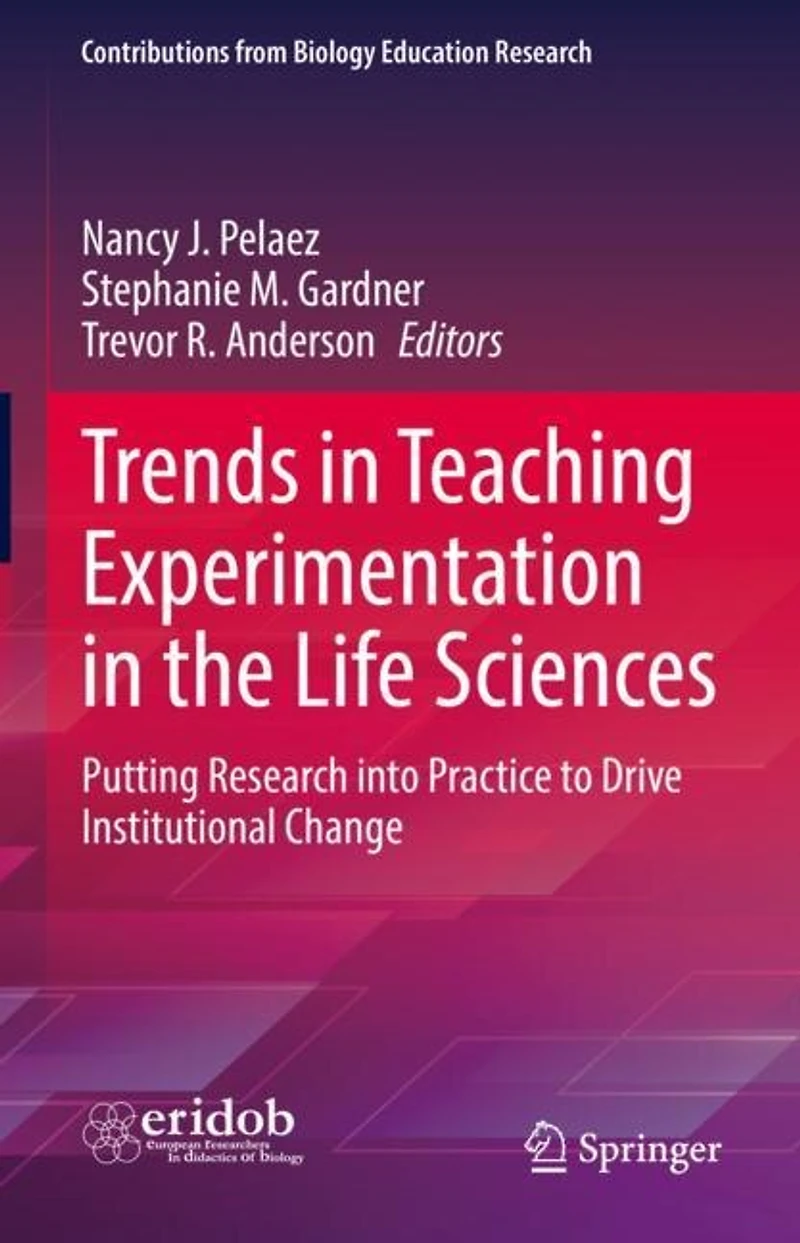
Trends Teaching Experimentation the Life Sciences: Putting Research into Practice to Drive Institutional Change in Ottawa, ON
Current price: $204.50

Trends Teaching Experimentation the Life Sciences: Putting Research into Practice to Drive Institutional Change in Ottawa, ON
Current price: $204.50
Loading Inventory...
Size: Hardcover
*Product information may vary - to confirm product availability, pricing, shipping and return information please contact Coles
This book is a guide for educators on how to develop and evaluate evidence-based strategies for teaching biological experimentation to thereby improve existing and develop new curricula. It unveils the flawed assumptions made at the classroom, department, and institutional level about what students are learning and what help they might need to develop competence in biological experimentation. Specific case studies illustrate a comprehensive list of key scientific competencies that unpack what it means to be a competent experimental life scientist. It includes explicit evidence-based guidelines for educators regarding the teaching, learning, and assessment of biological research competencies. The book also provides practical teacher guides and exemplars of assignments and assessments. It contains a complete analysis of the variety of tools developed thus far to assess learning in this domain. This book contributes to the growth of public understanding of biological issuesincluding scientific literacy and the crucial importance of evidence-based decision-making around public policy. It will be beneficial to life science instructors, biology education researchers and science administrators who aim to improve teaching in life science departments. Chapters 6, 12, 14 and 22 are available open access under a Creative Commons Attribution 4.0 International License via link.springer.com.
This book is a guide for educators on how to develop and evaluate evidence-based strategies for teaching biological experimentation to thereby improve existing and develop new curricula. It unveils the flawed assumptions made at the classroom, department, and institutional level about what students are learning and what help they might need to develop competence in biological experimentation. Specific case studies illustrate a comprehensive list of key scientific competencies that unpack what it means to be a competent experimental life scientist. It includes explicit evidence-based guidelines for educators regarding the teaching, learning, and assessment of biological research competencies. The book also provides practical teacher guides and exemplars of assignments and assessments. It contains a complete analysis of the variety of tools developed thus far to assess learning in this domain. This book contributes to the growth of public understanding of biological issuesincluding scientific literacy and the crucial importance of evidence-based decision-making around public policy. It will be beneficial to life science instructors, biology education researchers and science administrators who aim to improve teaching in life science departments. Chapters 6, 12, 14 and 22 are available open access under a Creative Commons Attribution 4.0 International License via link.springer.com.
You May Also Like










More About Coles at Bayshore Shopping Centre
Coles is renowned for its outstanding customer service and great selection of books. Along with the vast array of magazines, stationary, audio-books, children's literature, fiction, non-fiction and reference books, you can find accessories to make your reading experience more pleasurable. We can recommend the very best in reading today. We will help you search our titles for exactly what you need, and if we do not have it in stock, we will order it for you.
100 Bayshore Dr, Nepean, ON K2B 8C1, Canada
Find Coles at Bayshore Shopping Centre in Ottawa, ON
Visit Coles at Bayshore Shopping Centre in Ottawa, ON