

Give the Gift of Choice!
Too many options? Treat your friends and family to their favourite stores with a Bayshore Shopping Centre gift card, redeemable at participating retailers throughout the centre. Click below to purchase yours today!Purchase HereHome
Uemura's Reflections on the Mind of Plato
Coles
Loading Inventory...
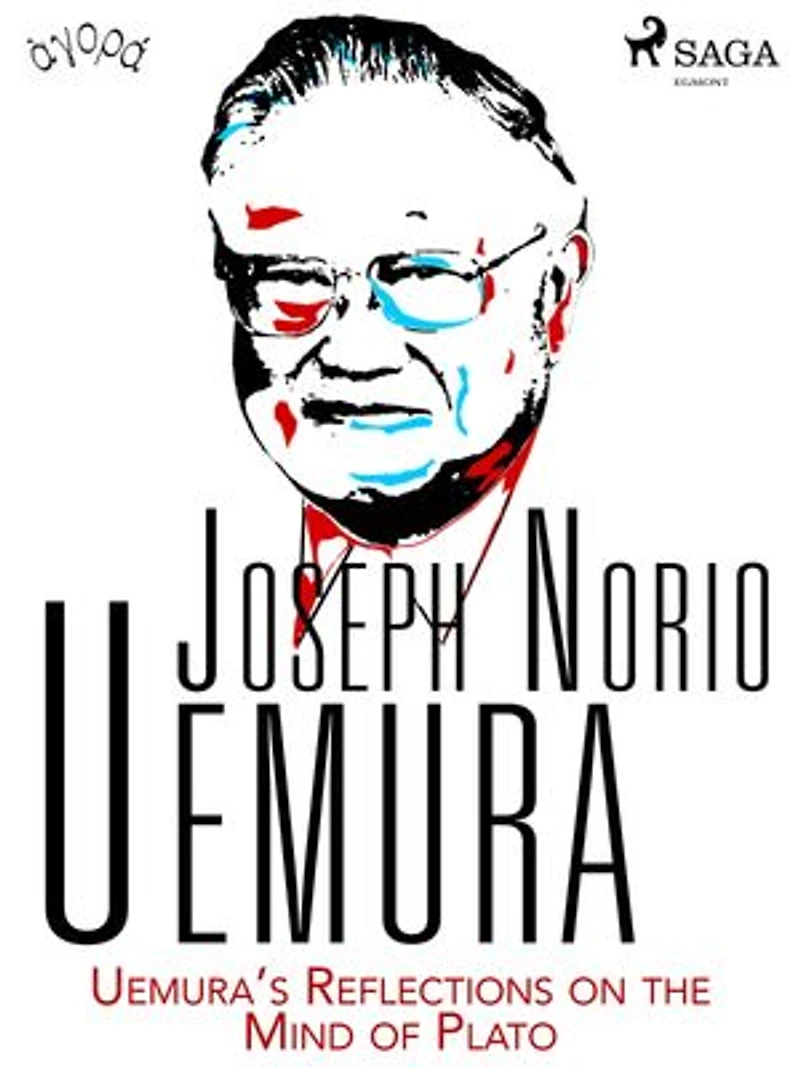
Uemura's Reflections on the Mind of Plato in Ottawa, ON
Current price: $9.99

Uemura's Reflections on the Mind of Plato in Ottawa, ON
Current price: $9.99
Loading Inventory...
Size: Kobo eBook
*Product information may vary - to confirm product availability, pricing, shipping and return information please contact Coles
"Plato was not a Platonist! I would like to show . . . that anyone who reads the dialogues of Plato without bias or an ax to grind will find a humorous, witty, pleasant friend; and not a desiccated scholarly mandarin. Plato was an open-minded, tolerant, reasonable individual, not a tight-lipped, pietistic, puritan. In a word, Plato was an Athenian, not a Spartan!"
In the twenty-four centuries that have passed since the Athenians put Socrates to death, every generation has interpreted the meaning of Plato's work differently. Joseph Uemura guides us through six dialogues in an effort to promote a dialectical quest rather than seek a final resting place. Plato's dialogues treat the big questions that confront any thoughtful person. "Eythyphro" explores religion, "Phaedo" reflects on mind, "Theatetus" examines knowledge, "Sophist" probes being, "Phaedrus" reflects on art, and the "Republic" ponders society. All great literature must be experienced first-hand. Because it is not self-explanatory, it must be interpreted and evaluated. Professor Uemura's reflections serve as a touchstone by which to test every new reading of Plato's work.
"Plato was not a Platonist! I would like to show . . . that anyone who reads the dialogues of Plato without bias or an ax to grind will find a humorous, witty, pleasant friend; and not a desiccated scholarly mandarin. Plato was an open-minded, tolerant, reasonable individual, not a tight-lipped, pietistic, puritan. In a word, Plato was an Athenian, not a Spartan!"
In the twenty-four centuries that have passed since the Athenians put Socrates to death, every generation has interpreted the meaning of Plato's work differently. Joseph Uemura guides us through six dialogues in an effort to promote a dialectical quest rather than seek a final resting place. Plato's dialogues treat the big questions that confront any thoughtful person. "Eythyphro" explores religion, "Phaedo" reflects on mind, "Theatetus" examines knowledge, "Sophist" probes being, "Phaedrus" reflects on art, and the "Republic" ponders society. All great literature must be experienced first-hand. Because it is not self-explanatory, it must be interpreted and evaluated. Professor Uemura's reflections serve as a touchstone by which to test every new reading of Plato's work.
You May Also Like













More About Coles at Bayshore Shopping Centre
Coles is renowned for its outstanding customer service and great selection of books. Along with the vast array of magazines, stationary, audio-books, children's literature, fiction, non-fiction and reference books, you can find accessories to make your reading experience more pleasurable. We can recommend the very best in reading today. We will help you search our titles for exactly what you need, and if we do not have it in stock, we will order it for you.
100 Bayshore Dr, Nepean, ON K2B 8C1, Canada
Find Coles at Bayshore Shopping Centre in Ottawa, ON
Visit Coles at Bayshore Shopping Centre in Ottawa, ON