

Give the Gift of Choice!
Too many options? Treat your friends and family to their favourite stores with a Bayshore Shopping Centre gift card, redeemable at participating retailers throughout the centre. Click below to purchase yours today!Purchase HereHome
Uncertain Chances: Science, Skepticism, and Belief Nineteenth-Century American Literature
Coles
Loading Inventory...
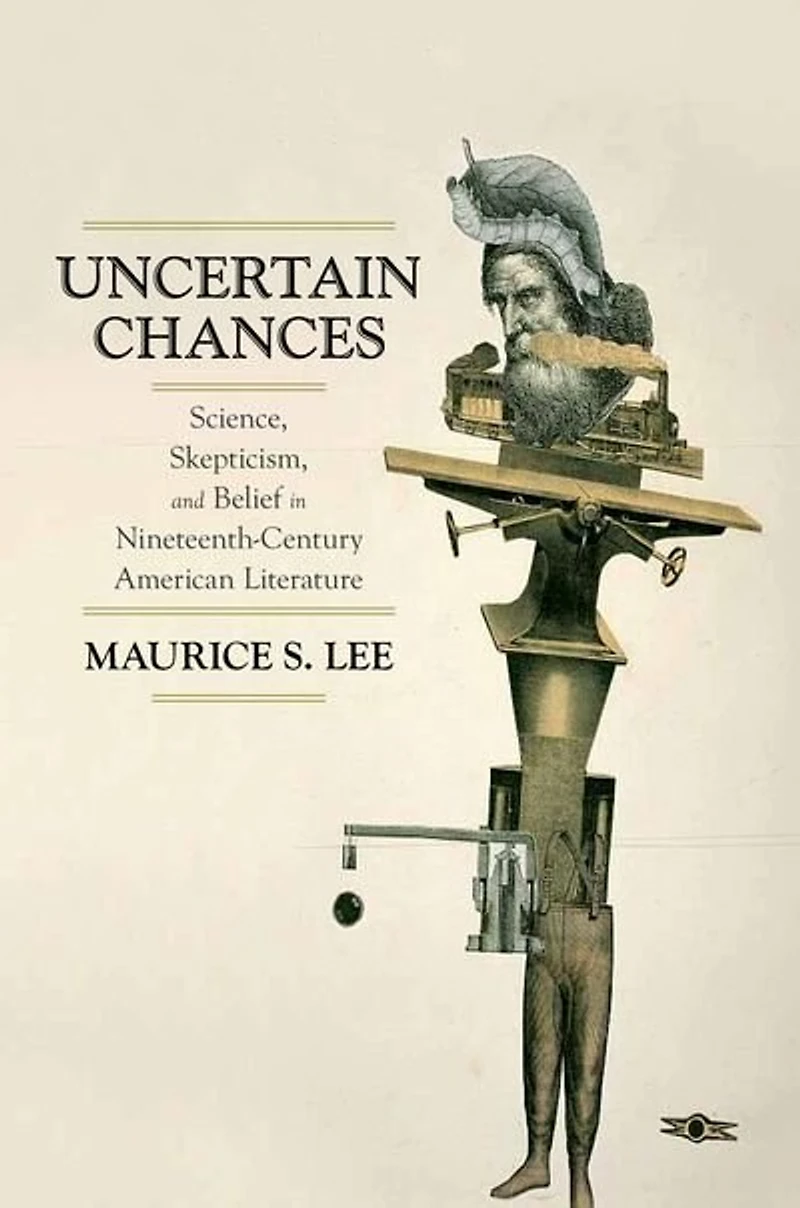
Uncertain Chances: Science, Skepticism, and Belief Nineteenth-Century American Literature in Ottawa, ON
Current price: $65.00

Uncertain Chances: Science, Skepticism, and Belief Nineteenth-Century American Literature in Ottawa, ON
Current price: $65.00
Loading Inventory...
Size: Hardcover
*Product information may vary - to confirm product availability, pricing, shipping and return information please contact Coles
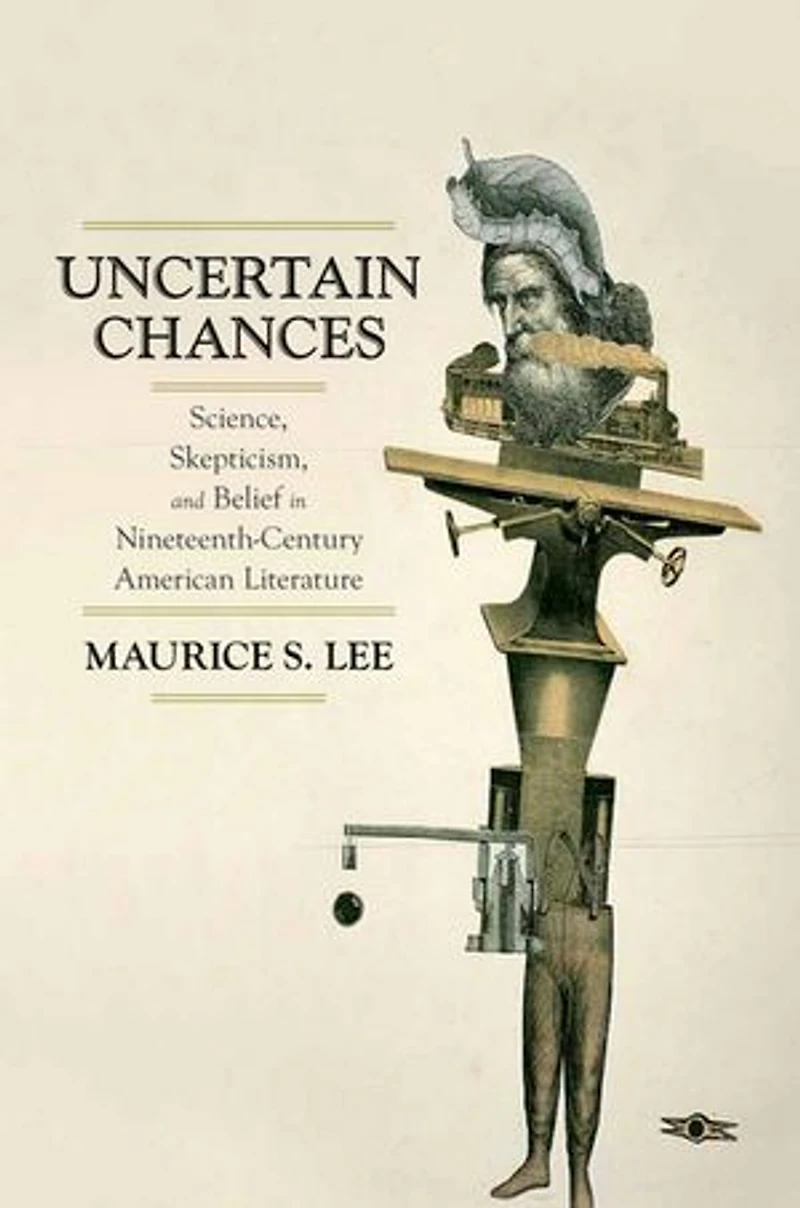
The role of chance changed in the nineteenth century, and American literature changed with it. Long dismissed as a nominal concept, chance was increasingly treated as a natural force to be managed but never mastered. New theories of chance sparked religious and philosophical controversies while revolutionizing the sciences as probabilistic methods spread from mathematics, economics, and sociology to physics and evolutionary biology. Chance also became more visible in everyday life, as Americans attempted to control its power through weather forecasting, insurance policies, military strategy, and financial dealings.
Uncertain Chances shows how the rise of chance shaped the way nineteenth-century American writers confronted questions of doubt and belief. Poe's detective fiction critiques probabilistic methods; Melville's works struggle to vindicate moral action under conditions of chance; Douglass and other African American authors fight against statistical racism; Thoreau learns to appreciate the play between nature's randomness and order; and Dickinson works faithfully to render poetically the affective experience of chance-surprise. These and other nineteenth-century writers dramatize the inescapable dangers and wonderful possibilities of chance. Their writings even help to navigate extremes that remain with us today - fundamentalism and relativism, determinism and chaos, terrorism and risk-management, the rational confidence of the Enlightenment and the debilitating doubts of modernity.
The role of chance changed in the nineteenth century, and American literature changed with it. Long dismissed as a nominal concept, chance was increasingly treated as a natural force to be managed but never mastered. New theories of chance sparked religious and philosophical controversies while revolutionizing the sciences as probabilistic methods spread from mathematics, economics, and sociology to physics and evolutionary biology. Chance also became more visible in everyday life, as Americans attempted to control its power through weather forecasting, insurance policies, military strategy, and financial dealings.
Uncertain Chances shows how the rise of chance shaped the way nineteenth-century American writers confronted questions of doubt and belief. Poe's detective fiction critiques probabilistic methods; Melville's works struggle to vindicate moral action under conditions of chance; Douglass and other African American authors fight against statistical racism; Thoreau learns to appreciate the play between nature's randomness and order; and Dickinson works faithfully to render poetically the affective experience of chance-surprise. These and other nineteenth-century writers dramatize the inescapable dangers and wonderful possibilities of chance. Their writings even help to navigate extremes that remain with us today - fundamentalism and relativism, determinism and chaos, terrorism and risk-management, the rational confidence of the Enlightenment and the debilitating doubts of modernity.
You May Also Like







More About Coles at Bayshore Shopping Centre
Coles is renowned for its outstanding customer service and great selection of books. Along with the vast array of magazines, stationary, audio-books, children's literature, fiction, non-fiction and reference books, you can find accessories to make your reading experience more pleasurable. We can recommend the very best in reading today. We will help you search our titles for exactly what you need, and if we do not have it in stock, we will order it for you.
100 Bayshore Dr, Nepean, ON K2B 8C1, Canada
Find Coles at Bayshore Shopping Centre in Ottawa, ON
Visit Coles at Bayshore Shopping Centre in Ottawa, ON