

Give the Gift of Choice!
Too many options? Treat your friends and family to their favourite stores with a Bayshore Shopping Centre gift card, redeemable at participating retailers throughout the centre. Click below to purchase yours today!Purchase HereHome
Understanding Lacan's Objet a
Coles
Loading Inventory...
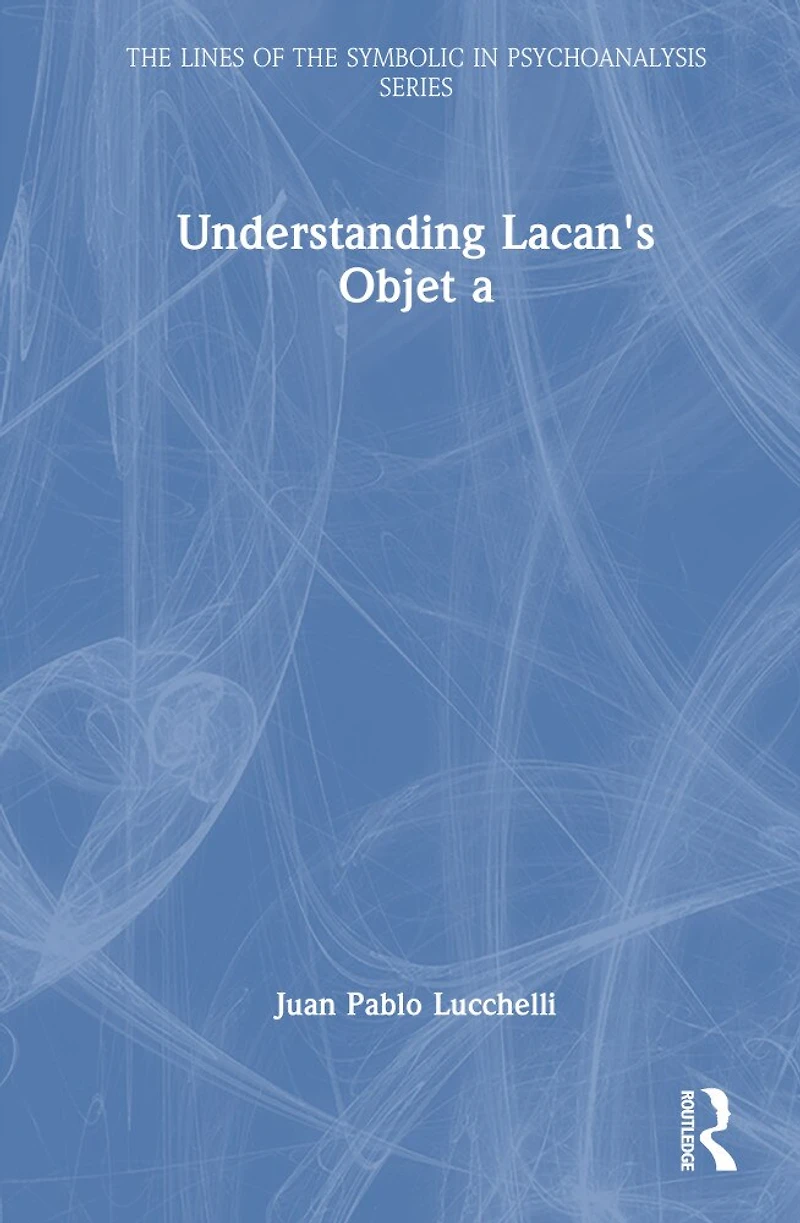
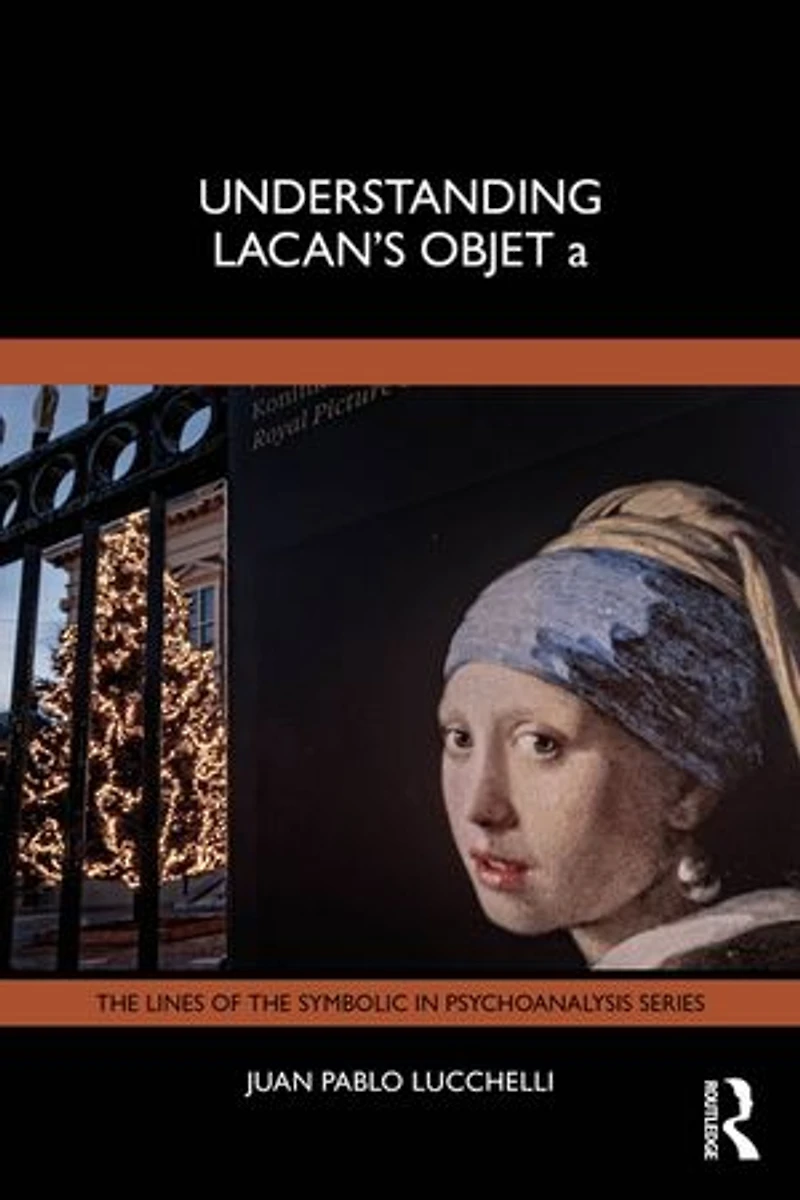
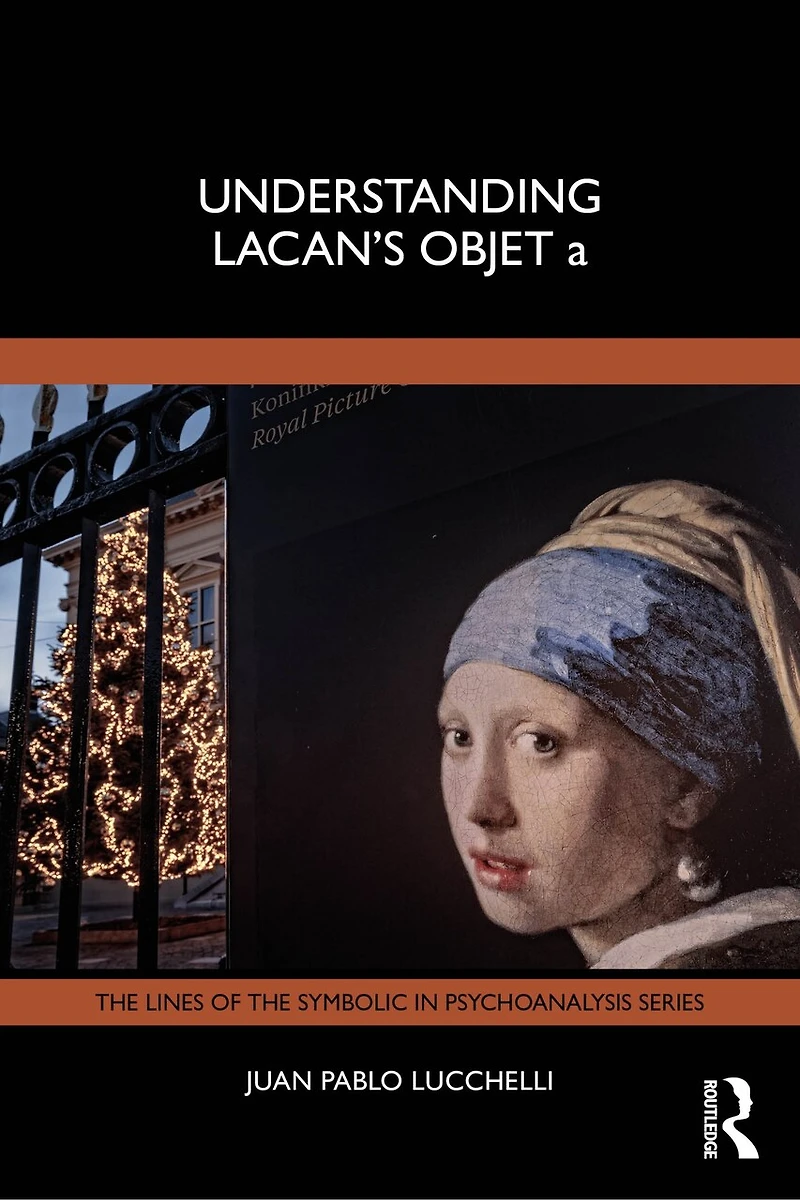
Understanding Lacan's Objet a in Ottawa, ON
Current price: $346.50

Understanding Lacan's Objet a in Ottawa, ON
Current price: $346.50
Loading Inventory...
Size: Hardcover
*Product information may vary - to confirm product availability, pricing, shipping and return information please contact Coles
Understanding Lacan's Objet a proposes that we modify the accepted approach to Lacan's ideas and strive to make Lacanian concepts accessible. Juan Pablo Lucchelli gradually introduces conceptual tools, following the emergence of this 'object of objects' step by step. The book makes clear the impact of the social in the genesis of objet a as a concept, with the inevitable sharing of the subject's being with others at its core. Lucchelli demonstrates that there can be no true autonomy of the individual without recognizing the dependence on the other; thus, like Winnicott's transitional object, Lacan's objet a is what connects us to others, despite the individualistic pretensions that emerge from the ego. This book will be essential reading both for Lacanian analysts in practice and in training, who wish to deepen their knowledge of the concept of the objet a, and for students of psychoanalysis, philosophy and psychology.
Understanding Lacan's Objet a proposes that we modify the accepted approach to Lacan's ideas and strive to make Lacanian concepts accessible. Juan Pablo Lucchelli gradually introduces conceptual tools, following the emergence of this 'object of objects' step by step. The book makes clear the impact of the social in the genesis of objet a as a concept, with the inevitable sharing of the subject's being with others at its core. Lucchelli demonstrates that there can be no true autonomy of the individual without recognizing the dependence on the other; thus, like Winnicott's transitional object, Lacan's objet a is what connects us to others, despite the individualistic pretensions that emerge from the ego. This book will be essential reading both for Lacanian analysts in practice and in training, who wish to deepen their knowledge of the concept of the objet a, and for students of psychoanalysis, philosophy and psychology.
You May Also Like











More About Coles at Bayshore Shopping Centre
Coles is renowned for its outstanding customer service and great selection of books. Along with the vast array of magazines, stationary, audio-books, children's literature, fiction, non-fiction and reference books, you can find accessories to make your reading experience more pleasurable. We can recommend the very best in reading today. We will help you search our titles for exactly what you need, and if we do not have it in stock, we will order it for you.
100 Bayshore Dr, Nepean, ON K2B 8C1, Canada
Find Coles at Bayshore Shopping Centre in Ottawa, ON
Visit Coles at Bayshore Shopping Centre in Ottawa, ON