

Give the Gift of Choice!
Too many options? Treat your friends and family to their favourite stores with a Bayshore Shopping Centre gift card, redeemable at participating retailers throughout the centre. Click below to purchase yours today!Purchase HereHome
Unearthing Policies of Instrumentalization English Religious Education Using Statement Archaeology
Coles
Loading Inventory...
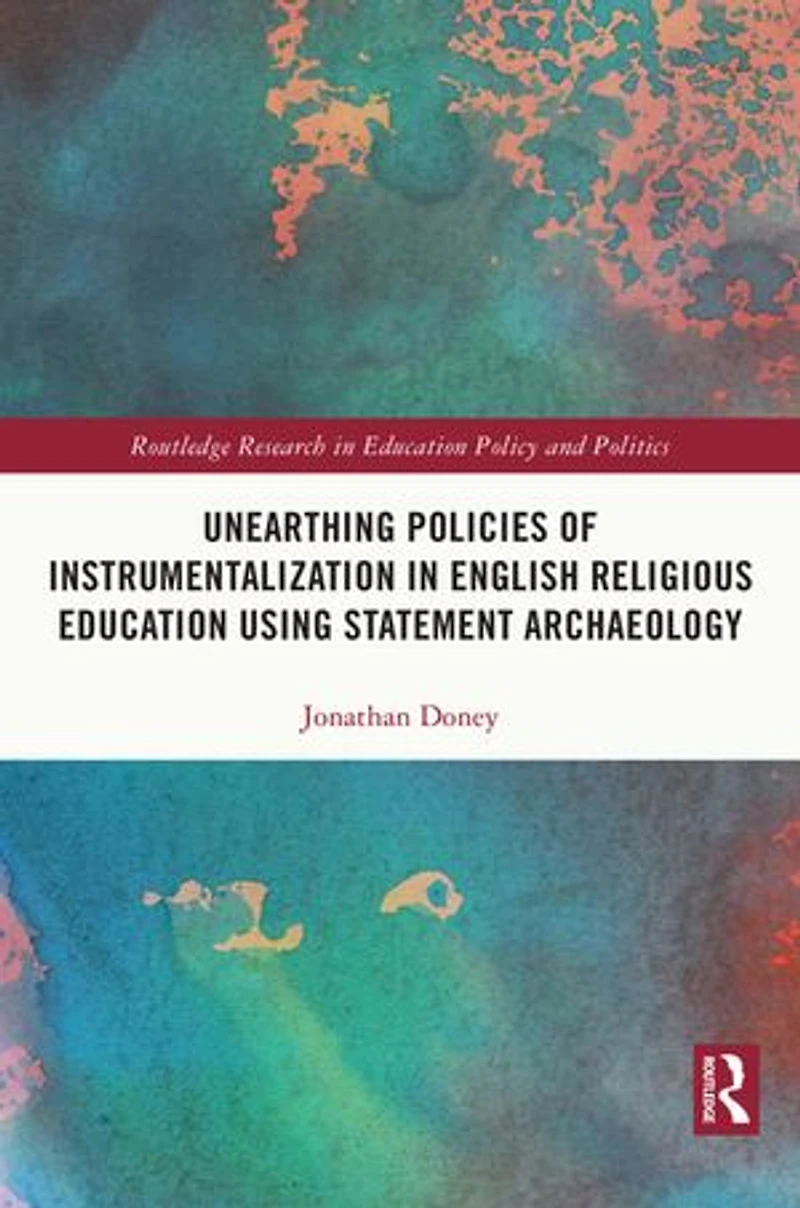
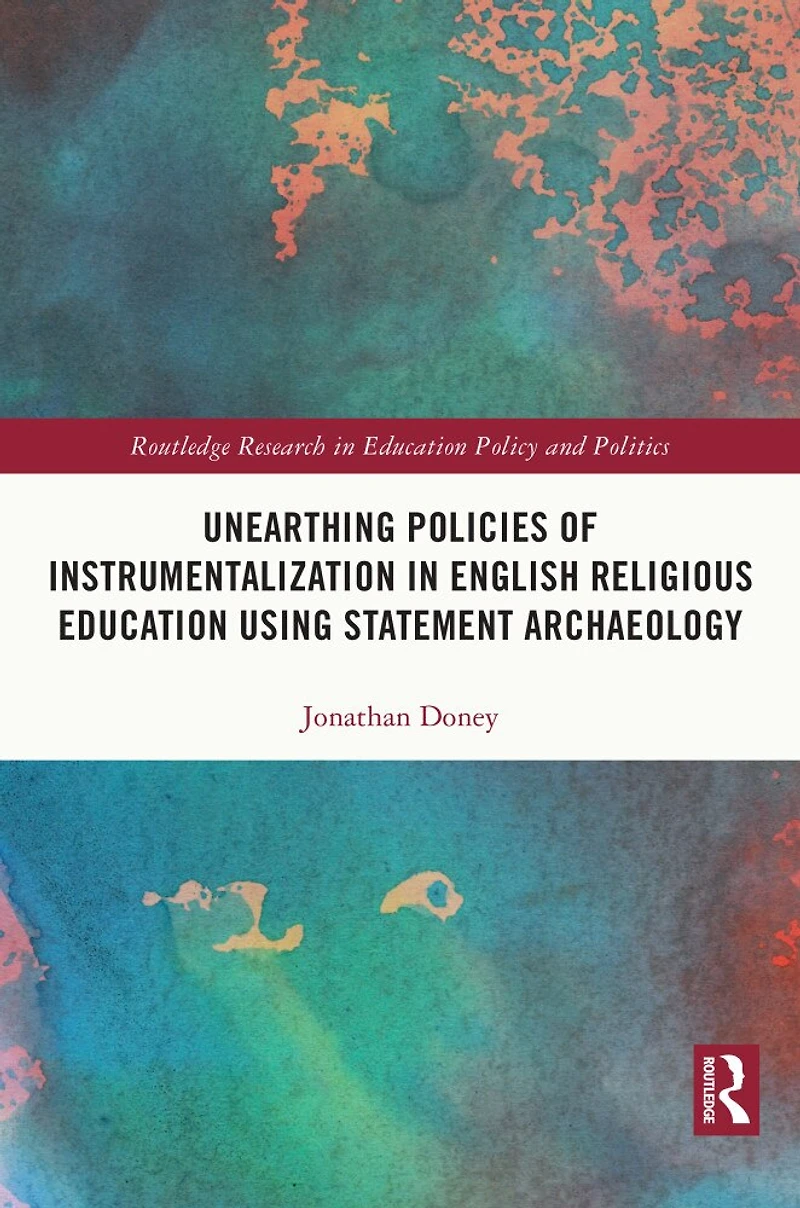
Unearthing Policies of Instrumentalization English Religious Education Using Statement Archaeology in Ottawa, ON
Current price: $78.71

Unearthing Policies of Instrumentalization English Religious Education Using Statement Archaeology in Ottawa, ON
Current price: $78.71
Loading Inventory...
Size: Kobo eBook
*Product information may vary - to confirm product availability, pricing, shipping and return information please contact Coles
This book presents the theoretical basis and practical steps involved in using Statement Archaeology, an innovative method that enhances understandings of policy development, exemplifying its use in relation to one curriculum subject, Religious Education. The book is the first of its kind to fully describe the theoretical foundations of Statement Archaeology and the practical steps in its deployment, acting as a methodological handbook that will enable readers to use the method subsequently in their own research. Further, the book offers an unparalleled contribution to the historical account of the development and maintenance of compulsory RE in English state-maintained schools and uses this to engage with key current debates in Religious Education policy. It unearths important insights into how the present is built, informs future policy direction and potential implementation strategies, and helps prevent the repetition of unsuccessful past endeavours. This book will be of great interest for academics, researchers and post-graduate students in the fields of religious education, educational policy and politics, and research methods in education.
This book presents the theoretical basis and practical steps involved in using Statement Archaeology, an innovative method that enhances understandings of policy development, exemplifying its use in relation to one curriculum subject, Religious Education. The book is the first of its kind to fully describe the theoretical foundations of Statement Archaeology and the practical steps in its deployment, acting as a methodological handbook that will enable readers to use the method subsequently in their own research. Further, the book offers an unparalleled contribution to the historical account of the development and maintenance of compulsory RE in English state-maintained schools and uses this to engage with key current debates in Religious Education policy. It unearths important insights into how the present is built, informs future policy direction and potential implementation strategies, and helps prevent the repetition of unsuccessful past endeavours. This book will be of great interest for academics, researchers and post-graduate students in the fields of religious education, educational policy and politics, and research methods in education.
You May Also Like







More About Coles at Bayshore Shopping Centre
Coles is renowned for its outstanding customer service and great selection of books. Along with the vast array of magazines, stationary, audio-books, children's literature, fiction, non-fiction and reference books, you can find accessories to make your reading experience more pleasurable. We can recommend the very best in reading today. We will help you search our titles for exactly what you need, and if we do not have it in stock, we will order it for you.
100 Bayshore Dr, Nepean, ON K2B 8C1, Canada
Find Coles at Bayshore Shopping Centre in Ottawa, ON
Visit Coles at Bayshore Shopping Centre in Ottawa, ON