

Give the Gift of Choice!
Too many options? Treat your friends and family to their favourite stores with a Bayshore Shopping Centre gift card, redeemable at participating retailers throughout the centre. Click below to purchase yours today!Purchase HereHome
Unfinished Transformation: Domestic Politics and International Relations since the COVID-19 Pandemic
Coles
Loading Inventory...
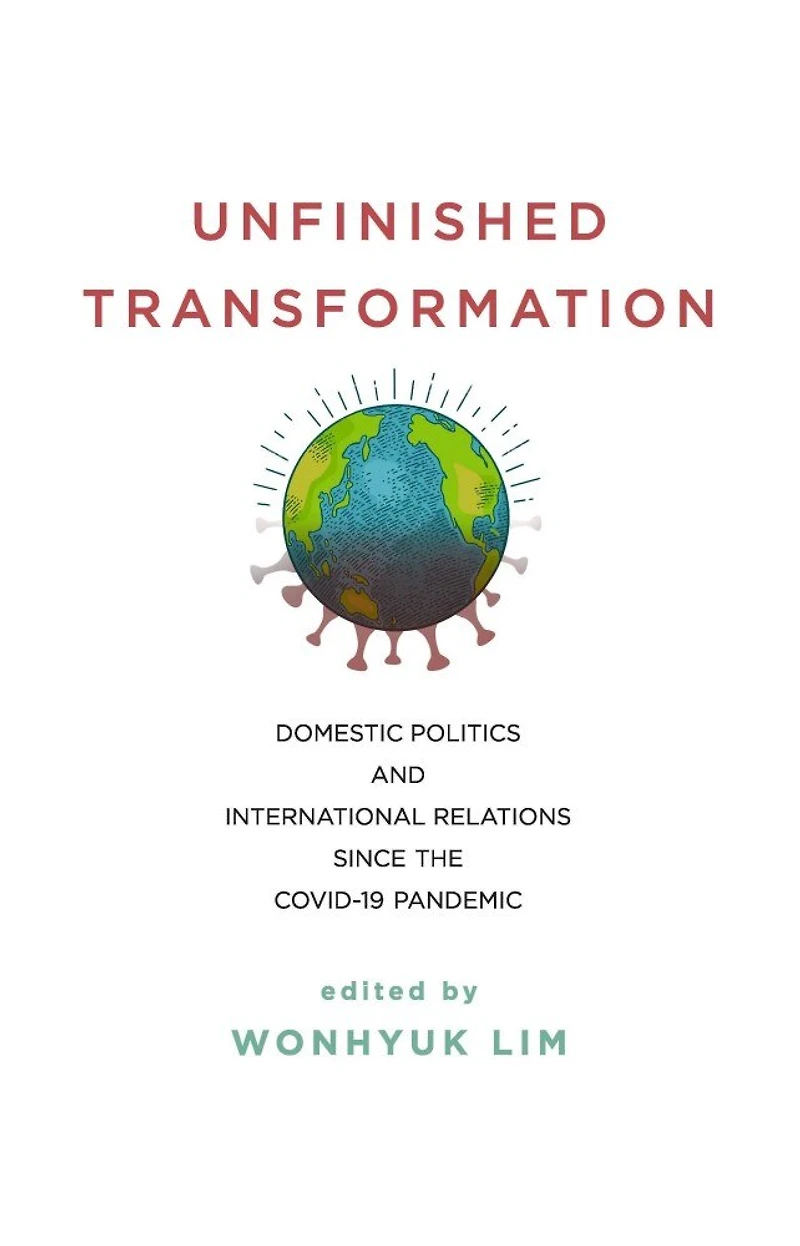
Unfinished Transformation: Domestic Politics and International Relations since the COVID-19 Pandemic in Ottawa, ON
Current price: $116.95

Unfinished Transformation: Domestic Politics and International Relations since the COVID-19 Pandemic in Ottawa, ON
Current price: $116.95
Loading Inventory...
Size: Hardcover
*Product information may vary - to confirm product availability, pricing, shipping and return information please contact Coles
The end of the Cold War, the acceleration of globalization, and "the rise of the rest" posed serious challenges to the existing international order based on World War II settlements and Cold War modifications.?The Global Financial Crisis of 2008 provided an opportunity to address this problem, as evidenced by the emergence of the G20 at the leadership level, but this adjustment, reflecting a sea change in international economic and political realities, was by no means a smooth process. Domestically, in many advanced industrial countries, there was a populist/nativist backlash as increasing socioeconomic disparities and interaction with the outside world produced economic anxiety and status anxiety.?Politicians who promised to take back control appealed to a large number of voters, using "us vs. them" rhetoric to divert attention from socioeconomic inequality. Thus, even before the outbreak of COVID-19, the combination of international power shift and populist/nativist backlash made global cooperation a precarious proposition, even though the proliferation of global value chains, climate change, and infectious diseases made global cooperation more imperative than ever before.? The pandemic has accelerated the pre-existing trends of increasing inequality at home and decreasing inequality among countries, especially U.S.-China competition. It is evident that these accelerating trends cannot lead to stable outcomes, as they exacerbate the risks of crisis and conflict if they continue. This book explores how domestic and international transformation can address these problems. Domestically, instead of blaming "the global elite" and "outsiders," investing in people should receive priority, given the challenges of automation and globalization. Unless workers and the middle class feel secure enough, governments would find it difficult to push for international initiatives. Internationally, a new order should reflect changing economic and political realities, with guardrails to prevent conflict and mechanisms to promote global cooperation.
The end of the Cold War, the acceleration of globalization, and "the rise of the rest" posed serious challenges to the existing international order based on World War II settlements and Cold War modifications.?The Global Financial Crisis of 2008 provided an opportunity to address this problem, as evidenced by the emergence of the G20 at the leadership level, but this adjustment, reflecting a sea change in international economic and political realities, was by no means a smooth process. Domestically, in many advanced industrial countries, there was a populist/nativist backlash as increasing socioeconomic disparities and interaction with the outside world produced economic anxiety and status anxiety.?Politicians who promised to take back control appealed to a large number of voters, using "us vs. them" rhetoric to divert attention from socioeconomic inequality. Thus, even before the outbreak of COVID-19, the combination of international power shift and populist/nativist backlash made global cooperation a precarious proposition, even though the proliferation of global value chains, climate change, and infectious diseases made global cooperation more imperative than ever before.? The pandemic has accelerated the pre-existing trends of increasing inequality at home and decreasing inequality among countries, especially U.S.-China competition. It is evident that these accelerating trends cannot lead to stable outcomes, as they exacerbate the risks of crisis and conflict if they continue. This book explores how domestic and international transformation can address these problems. Domestically, instead of blaming "the global elite" and "outsiders," investing in people should receive priority, given the challenges of automation and globalization. Unless workers and the middle class feel secure enough, governments would find it difficult to push for international initiatives. Internationally, a new order should reflect changing economic and political realities, with guardrails to prevent conflict and mechanisms to promote global cooperation.
You May Also Like















More About Coles at Bayshore Shopping Centre
Coles is renowned for its outstanding customer service and great selection of books. Along with the vast array of magazines, stationary, audio-books, children's literature, fiction, non-fiction and reference books, you can find accessories to make your reading experience more pleasurable. We can recommend the very best in reading today. We will help you search our titles for exactly what you need, and if we do not have it in stock, we will order it for you.
100 Bayshore Dr, Nepean, ON K2B 8C1, Canada
Find Coles at Bayshore Shopping Centre in Ottawa, ON
Visit Coles at Bayshore Shopping Centre in Ottawa, ON