

Give the Gift of Choice!
Too many options? Treat your friends and family to their favourite stores with a Bayshore Shopping Centre gift card, redeemable at participating retailers throughout the centre. Click below to purchase yours today!Purchase HereHome
United Nations Peacekeeping and the Principle of Non-Intervention: A TWAIL Perspective
Coles
Loading Inventory...
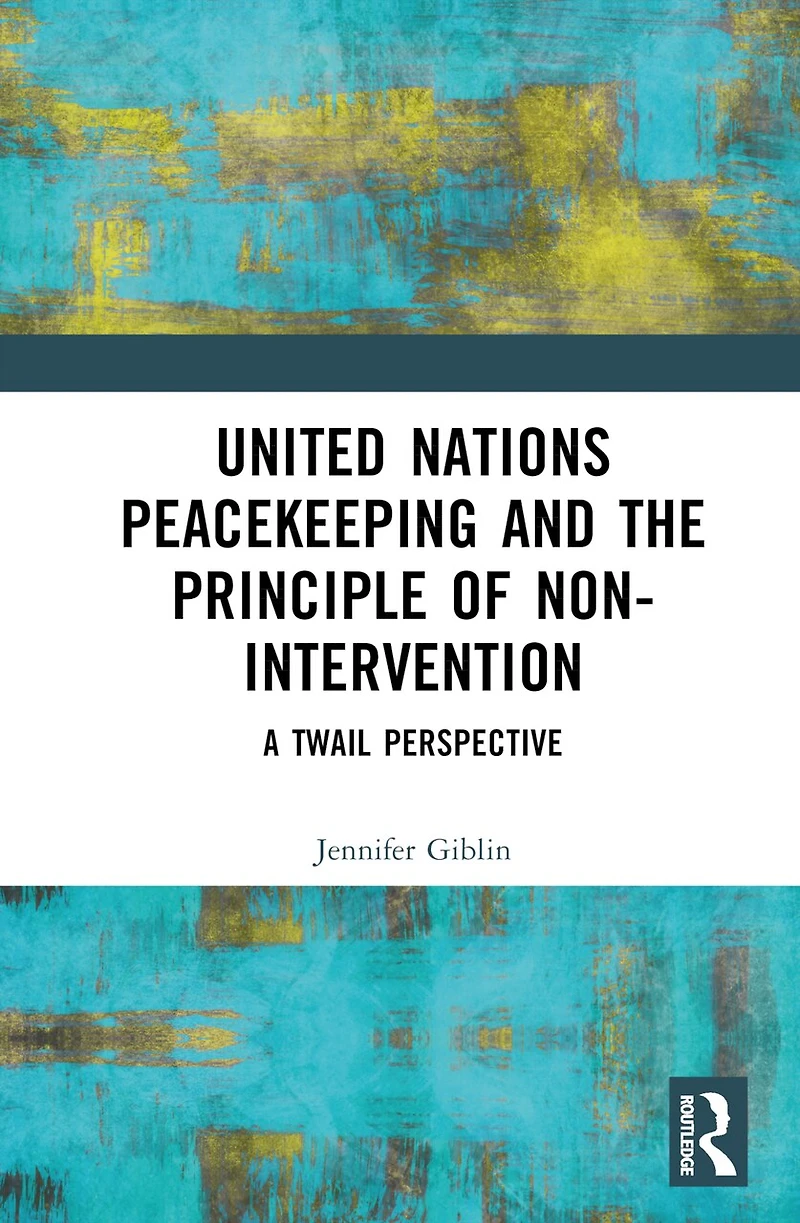
United Nations Peacekeeping and the Principle of Non-Intervention: A TWAIL Perspective in Ottawa, ON
Current price: $281.50

United Nations Peacekeeping and the Principle of Non-Intervention: A TWAIL Perspective in Ottawa, ON
Current price: $281.50
Loading Inventory...
Size: Hardcover
*Product information may vary - to confirm product availability, pricing, shipping and return information please contact Coles
Using a unique application of Third World Approaches to International Law (TWAIL), this book provides a critical, interdisciplinary, examination of the contemporary practice of UN peacekeeping. Is peacekeeping intervention? Since its conception in the mid-1950s, peacekeeping has significantly evolved from traditional, lightly armed, passive operations to robust, multi-dimensional stabilisation peacekeeping operations. This raises questions as to whether this is simply a natural evolution of peacekeeping or whether it marks an expansion of the concept beyond its boundaries, pushing it into the realm of peace enforcement or intervention. In response, this book examines the frameworks which govern UN peacekeeping and seeks to understand the relationship between peacekeeping and the principle of non-intervention. Providing practical examples from the United Nations' operations in the Democratic Republic of the Congo and drawing upon interviews with key international actors including UN personnel, the book explores the boundaries of peacekeeping, contending that peacekeeping, at times, becomes a form of intervention. This, the book argues, is detrimental both to the concept of peacekeeping and to the host state, and it concludes by offering a series of recommendations to re-affirm peacekeeping's boundaries and amplify the effectiveness of contemporary peacekeeping. This book will be of interest to scholars and students in international law, international relations, politics, history and criminology.
Using a unique application of Third World Approaches to International Law (TWAIL), this book provides a critical, interdisciplinary, examination of the contemporary practice of UN peacekeeping. Is peacekeeping intervention? Since its conception in the mid-1950s, peacekeeping has significantly evolved from traditional, lightly armed, passive operations to robust, multi-dimensional stabilisation peacekeeping operations. This raises questions as to whether this is simply a natural evolution of peacekeeping or whether it marks an expansion of the concept beyond its boundaries, pushing it into the realm of peace enforcement or intervention. In response, this book examines the frameworks which govern UN peacekeeping and seeks to understand the relationship between peacekeeping and the principle of non-intervention. Providing practical examples from the United Nations' operations in the Democratic Republic of the Congo and drawing upon interviews with key international actors including UN personnel, the book explores the boundaries of peacekeeping, contending that peacekeeping, at times, becomes a form of intervention. This, the book argues, is detrimental both to the concept of peacekeeping and to the host state, and it concludes by offering a series of recommendations to re-affirm peacekeeping's boundaries and amplify the effectiveness of contemporary peacekeeping. This book will be of interest to scholars and students in international law, international relations, politics, history and criminology.
You May Also Like











More About Coles at Bayshore Shopping Centre
Coles is renowned for its outstanding customer service and great selection of books. Along with the vast array of magazines, stationary, audio-books, children's literature, fiction, non-fiction and reference books, you can find accessories to make your reading experience more pleasurable. We can recommend the very best in reading today. We will help you search our titles for exactly what you need, and if we do not have it in stock, we will order it for you.
100 Bayshore Dr, Nepean, ON K2B 8C1, Canada
Find Coles at Bayshore Shopping Centre in Ottawa, ON
Visit Coles at Bayshore Shopping Centre in Ottawa, ON