

Give the Gift of Choice!
Too many options? Treat your friends and family to their favourite stores with a Bayshore Shopping Centre gift card, redeemable at participating retailers throughout the centre. Click below to purchase yours today!Purchase HereHome
Unjust Restitution: A Century of Black Struggle for Equality
Coles
Loading Inventory...
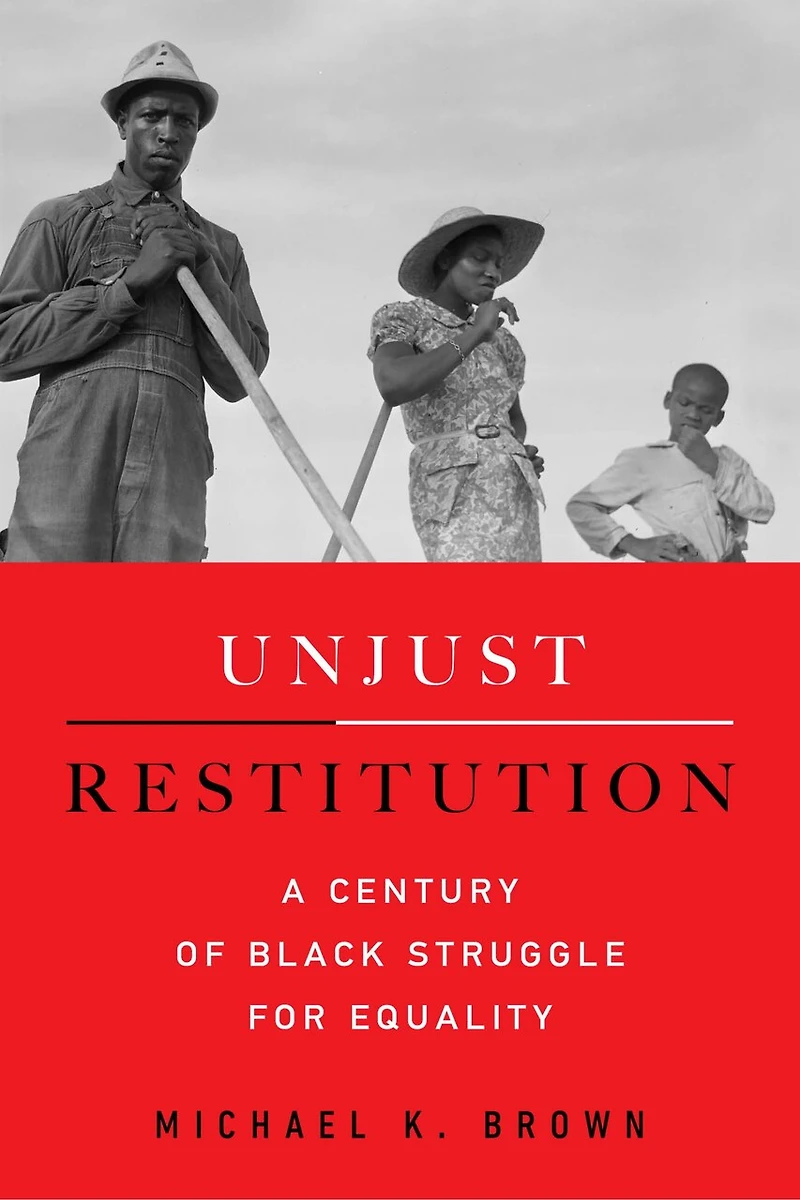
Unjust Restitution: A Century of Black Struggle for Equality in Ottawa, ON
Current price: $122.46

Unjust Restitution: A Century of Black Struggle for Equality in Ottawa, ON
Current price: $122.46
Loading Inventory...
Size: Hardcover
*Product information may vary - to confirm product availability, pricing, shipping and return information please contact Coles
The question of economic justice for Black Americans continues to be the subject of contentious political debate. Here, Michael K. Brown examines the meaning of racial equality during three transformative periods when economic opportunity appeared to be a real possibility: Reconstruction, the New Deal, and the Great Society. Political leaders who believed slavery and Jim Crow degraded Black people enacted policies to rehabilitate formerly subjugated individuals. Black Americans, on the other hand, repudiated the idea that they were damaged people in need of repair. Repeatedly, Black people’s vision of economic justice was based on antiprivilege egalitarianism, the idea that a just restitution for their oppression required abolishing the political and legal privileges whites had acquired. Black opposition reveals what was at stake at each historical moment and what might constitute economic justice in the twenty-first century.
The question of economic justice for Black Americans continues to be the subject of contentious political debate. Here, Michael K. Brown examines the meaning of racial equality during three transformative periods when economic opportunity appeared to be a real possibility: Reconstruction, the New Deal, and the Great Society. Political leaders who believed slavery and Jim Crow degraded Black people enacted policies to rehabilitate formerly subjugated individuals. Black Americans, on the other hand, repudiated the idea that they were damaged people in need of repair. Repeatedly, Black people’s vision of economic justice was based on antiprivilege egalitarianism, the idea that a just restitution for their oppression required abolishing the political and legal privileges whites had acquired. Black opposition reveals what was at stake at each historical moment and what might constitute economic justice in the twenty-first century.
You May Also Like








More About Coles at Bayshore Shopping Centre
Coles is renowned for its outstanding customer service and great selection of books. Along with the vast array of magazines, stationary, audio-books, children's literature, fiction, non-fiction and reference books, you can find accessories to make your reading experience more pleasurable. We can recommend the very best in reading today. We will help you search our titles for exactly what you need, and if we do not have it in stock, we will order it for you.
100 Bayshore Dr, Nepean, ON K2B 8C1, Canada
Find Coles at Bayshore Shopping Centre in Ottawa, ON
Visit Coles at Bayshore Shopping Centre in Ottawa, ON