

Give the Gift of Choice!
Too many options? Treat your friends and family to their favourite stores with a Bayshore Shopping Centre gift card, redeemable at participating retailers throughout the centre. Click below to purchase yours today!Purchase HereHome
Using Figurative Language
Coles
Loading Inventory...
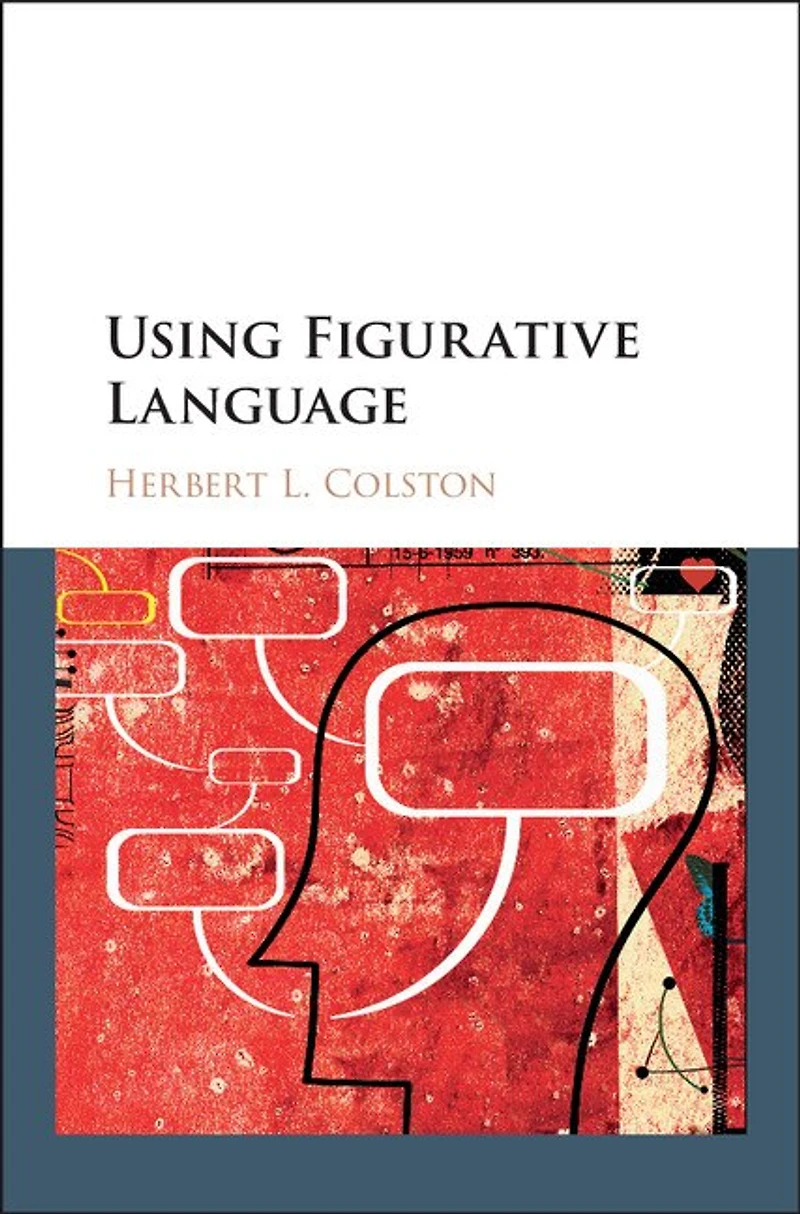
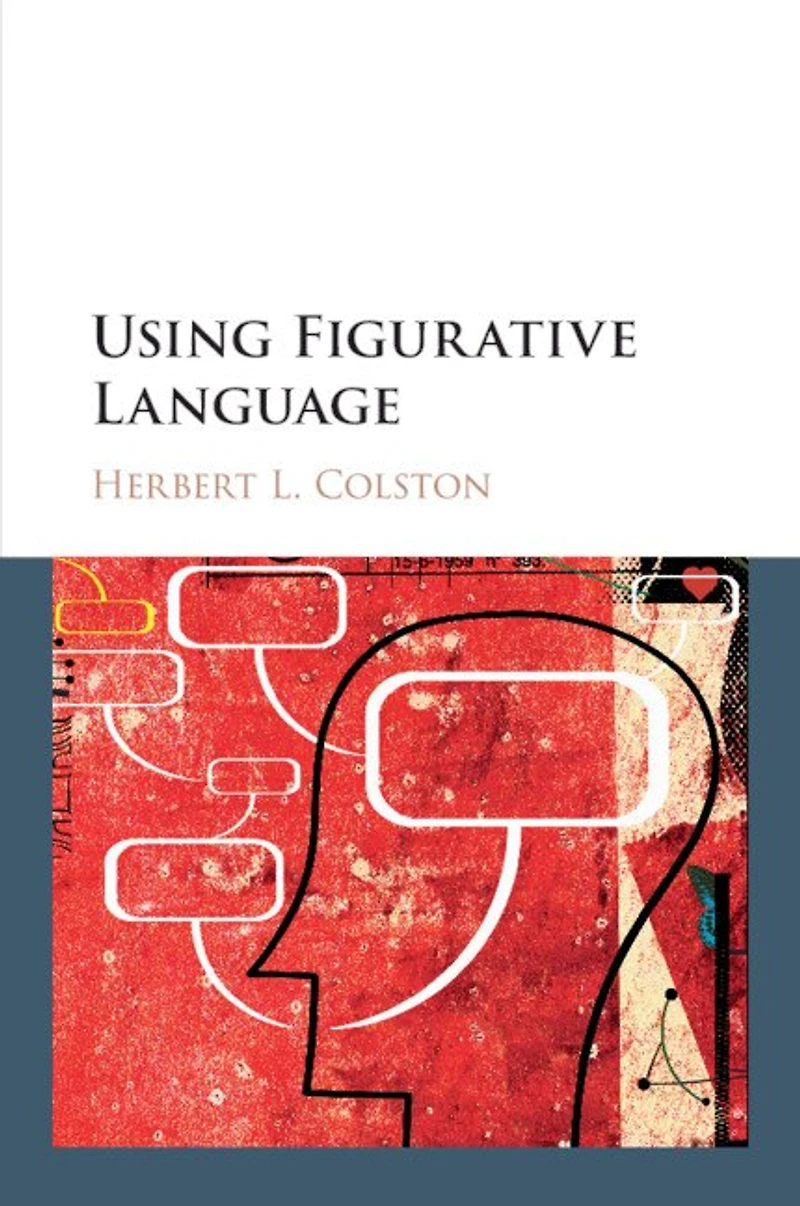
Using Figurative Language in Ottawa, ON
Current price: $149.95

Using Figurative Language in Ottawa, ON
Current price: $149.95
Loading Inventory...
Size: Hardcover
*Product information may vary - to confirm product availability, pricing, shipping and return information please contact Coles
Using Figurative Language presents results from a multidisciplinary decades-long study of figurative language that addresses the question, “Why don't people just say what they mean?” This research empirically investigates goals speakers or writers have when speaking (writing) figuratively, and concomitantly, meaning effects wrought by figurative language usage. These “pragmatic effects” arise from many kinds of figurative language including metaphors (e.g., “This computer is a dinosaur”), verbal irony (e.g., “Nice place you got here”), idioms (e.g., “Bite the bullet”), proverbs (e.g., “Don't put all your eggs in one basket”) and others. Reviewed studies explore mechanisms – linguistic, psychological social and others, underlying pragmatic effects, some traced to basic processes embedded in human sensory, perceptual, embodied, cognitive, social and schematic functioning. The book should interest readers, researchers and scholars in fields beyond psychology, linguistics and philosophy that share interests in figurative language – including language studies, communication, literary criticism, neuroscience, semiotics, rhetoric and anthropology.
Using Figurative Language presents results from a multidisciplinary decades-long study of figurative language that addresses the question, “Why don't people just say what they mean?” This research empirically investigates goals speakers or writers have when speaking (writing) figuratively, and concomitantly, meaning effects wrought by figurative language usage. These “pragmatic effects” arise from many kinds of figurative language including metaphors (e.g., “This computer is a dinosaur”), verbal irony (e.g., “Nice place you got here”), idioms (e.g., “Bite the bullet”), proverbs (e.g., “Don't put all your eggs in one basket”) and others. Reviewed studies explore mechanisms – linguistic, psychological social and others, underlying pragmatic effects, some traced to basic processes embedded in human sensory, perceptual, embodied, cognitive, social and schematic functioning. The book should interest readers, researchers and scholars in fields beyond psychology, linguistics and philosophy that share interests in figurative language – including language studies, communication, literary criticism, neuroscience, semiotics, rhetoric and anthropology.
You May Also Like

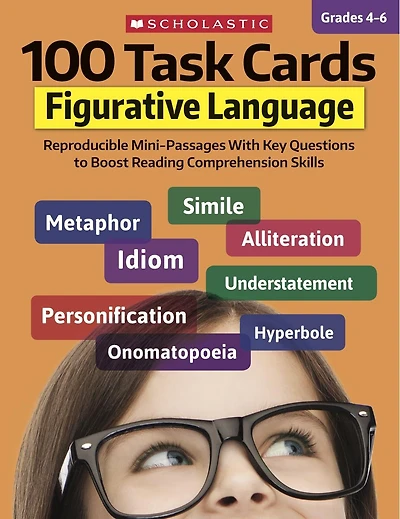
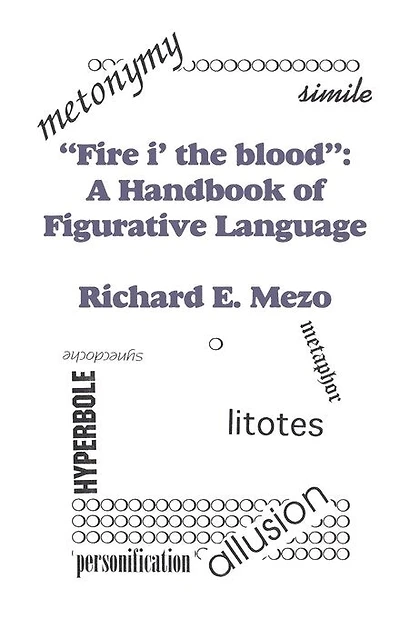















More About Coles at Bayshore Shopping Centre
Coles is renowned for its outstanding customer service and great selection of books. Along with the vast array of magazines, stationary, audio-books, children's literature, fiction, non-fiction and reference books, you can find accessories to make your reading experience more pleasurable. We can recommend the very best in reading today. We will help you search our titles for exactly what you need, and if we do not have it in stock, we will order it for you.
100 Bayshore Dr, Nepean, ON K2B 8C1, Canada
Find Coles at Bayshore Shopping Centre in Ottawa, ON
Visit Coles at Bayshore Shopping Centre in Ottawa, ON