

Give the Gift of Choice!
Too many options? Treat your friends and family to their favourite stores with a Bayshore Shopping Centre gift card, redeemable at participating retailers throughout the centre. Click below to purchase yours today!Purchase HereHome
Using Modeling to Predict and Prevent Victimization
Coles
Loading Inventory...
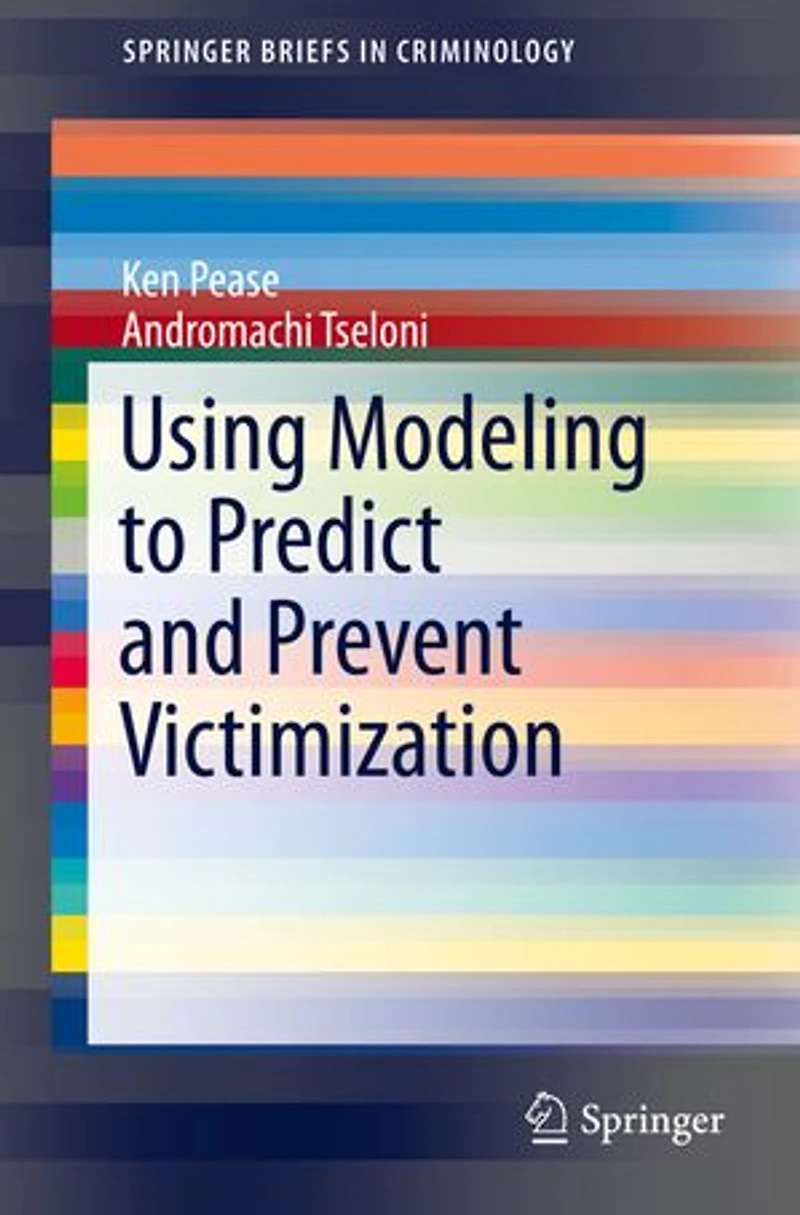
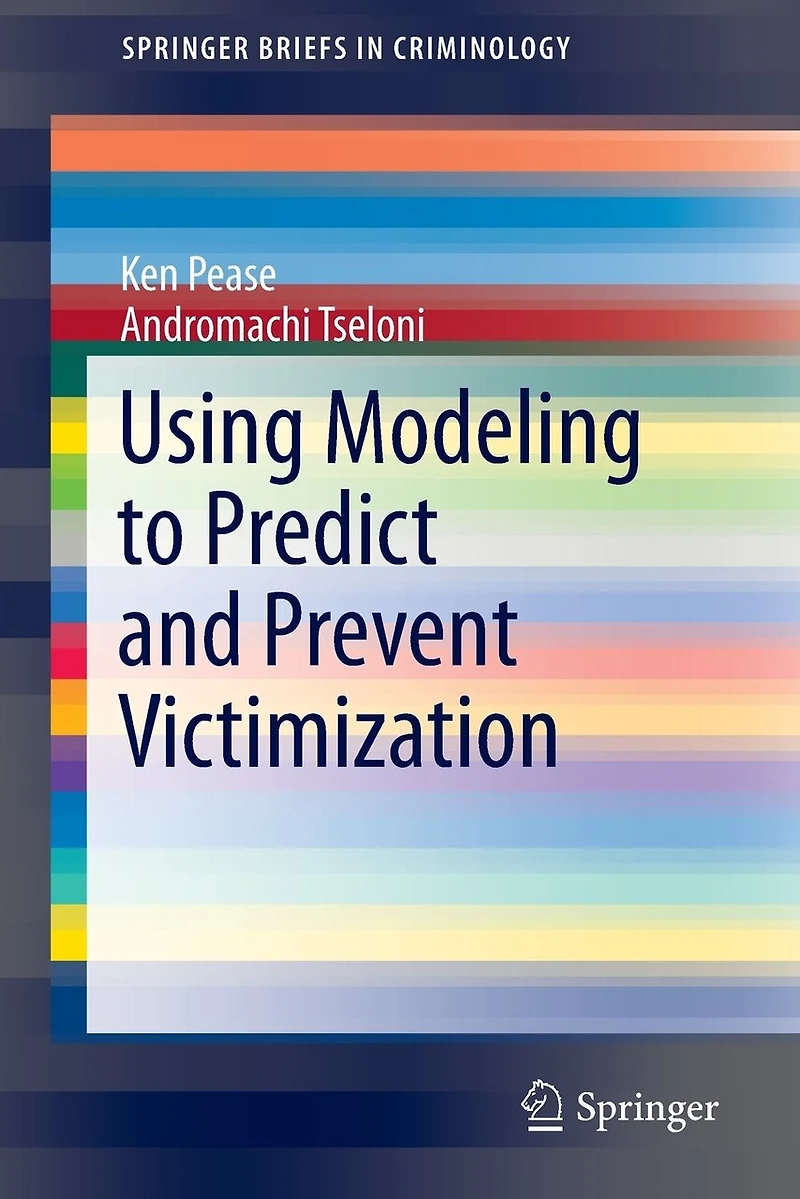
Using Modeling to Predict and Prevent Victimization in Ottawa, ON
Current price: $64.49
Original price: $80.62

Using Modeling to Predict and Prevent Victimization in Ottawa, ON
Current price: $64.49
Original price: $80.62
Loading Inventory...
Size: Kobo eBook
*Product information may vary - to confirm product availability, pricing, shipping and return information please contact Coles
This work provides clear application of a new statistical modeling technique that can be used to recognize patterns in victimization and prevent repeat victimization. The history of crime prevention techniques range from offender-based, to environment/situation-based, to victim-based. The authors of this work have found more accurate ways to predict and prevent victimization using a statistical modeling, based around crime concentration and sub-group profiling with regard to crime vulnerability levels, to predict areas and individuals vulnerable to crime. Following from this prediction, they propose policing strategies to improve crime prevention based on these predictions. With a combination of immediate actions and longer-term research recommendations, this work will be of interest to researchers and policy makers in focused on crime prevention, police studies, victimology and statistical applications.
This work provides clear application of a new statistical modeling technique that can be used to recognize patterns in victimization and prevent repeat victimization. The history of crime prevention techniques range from offender-based, to environment/situation-based, to victim-based. The authors of this work have found more accurate ways to predict and prevent victimization using a statistical modeling, based around crime concentration and sub-group profiling with regard to crime vulnerability levels, to predict areas and individuals vulnerable to crime. Following from this prediction, they propose policing strategies to improve crime prevention based on these predictions. With a combination of immediate actions and longer-term research recommendations, this work will be of interest to researchers and policy makers in focused on crime prevention, police studies, victimology and statistical applications.
You May Also Like










More About Coles at Bayshore Shopping Centre
Coles is renowned for its outstanding customer service and great selection of books. Along with the vast array of magazines, stationary, audio-books, children's literature, fiction, non-fiction and reference books, you can find accessories to make your reading experience more pleasurable. We can recommend the very best in reading today. We will help you search our titles for exactly what you need, and if we do not have it in stock, we will order it for you.
100 Bayshore Dr, Nepean, ON K2B 8C1, Canada
Find Coles at Bayshore Shopping Centre in Ottawa, ON
Visit Coles at Bayshore Shopping Centre in Ottawa, ON