

Give the Gift of Choice!
Too many options? Treat your friends and family to their favourite stores with a Bayshore Shopping Centre gift card, redeemable at participating retailers throughout the centre. Click below to purchase yours today!Purchase HereHome
Usnorthcom And Canadian Domestic Operations: An Opportunity For Positive Change
Coles
Loading Inventory...
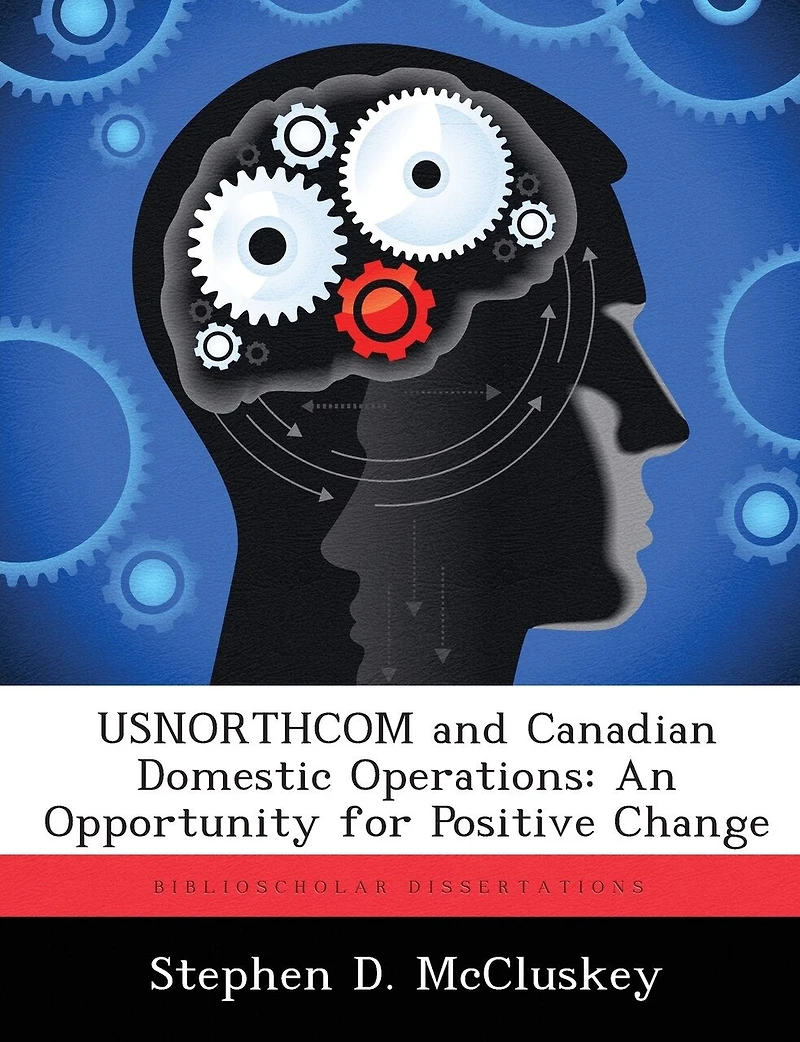
Usnorthcom And Canadian Domestic Operations: An Opportunity For Positive Change in Ottawa, ON
Current price: $18.92

Usnorthcom And Canadian Domestic Operations: An Opportunity For Positive Change in Ottawa, ON
Current price: $18.92
Loading Inventory...
Size: Paperback
*Product information may vary - to confirm product availability, pricing, shipping and return information please contact Coles
The creation of USNORTHCOM in 2002 was a clear indication that the security environment in North America had undergone a radical transformation. Canada and the United States have a history of bi-national mutual defense arrangements spanning more than sixty years. This monograph examines the Canadian Forces operational ability to meet the challenges of this new security environment. The specific vehicle that we used to assess the Canadian Forces operational capability was the Canadian Forces response to the 1997 Red River Flood. The 1997 Red River Flood proves to be an interesting case study because it allows us to compare the respective military responses of both Canada and the U.S. to a disaster. Although we chose a disaster relief and humanitarian assistance operation as our vehicle for comparison, we contend that the operational level response of the Canadian Forces, and particularly the Army, is indicative of the military response we could expect for other disasters. Our case study reveals that by comparison the Canadian Forces had serious operational shortcomings in 1997. Both the subject and the case study are germane because, at the time of writing, a Canada/U.S. bi-national planning group is working in Colorado Springs to determine how both nations can assist each other militarily in the event of a disaster. We conclude that the operational level shortcomings experienced by the Canadian Forces in 1997 are primarily the result of the force reductions and budget cuts laid out in Canada 's 1994 Defence White Paper. Our examination reveals that the same shortcomings identified in Canada 's defense policy are incorporated in the Canadian Forces operational level joint and army doctrines. We conclude that the Canadian Forces operational level shortcomings demonstrated in 1997 are extant. We recommend that the Canadian Forces use the creation of USNORTHCOM, and the radical change to the North American Security environment that it signifies, as the rationale for ju
The creation of USNORTHCOM in 2002 was a clear indication that the security environment in North America had undergone a radical transformation. Canada and the United States have a history of bi-national mutual defense arrangements spanning more than sixty years. This monograph examines the Canadian Forces operational ability to meet the challenges of this new security environment. The specific vehicle that we used to assess the Canadian Forces operational capability was the Canadian Forces response to the 1997 Red River Flood. The 1997 Red River Flood proves to be an interesting case study because it allows us to compare the respective military responses of both Canada and the U.S. to a disaster. Although we chose a disaster relief and humanitarian assistance operation as our vehicle for comparison, we contend that the operational level response of the Canadian Forces, and particularly the Army, is indicative of the military response we could expect for other disasters. Our case study reveals that by comparison the Canadian Forces had serious operational shortcomings in 1997. Both the subject and the case study are germane because, at the time of writing, a Canada/U.S. bi-national planning group is working in Colorado Springs to determine how both nations can assist each other militarily in the event of a disaster. We conclude that the operational level shortcomings experienced by the Canadian Forces in 1997 are primarily the result of the force reductions and budget cuts laid out in Canada 's 1994 Defence White Paper. Our examination reveals that the same shortcomings identified in Canada 's defense policy are incorporated in the Canadian Forces operational level joint and army doctrines. We conclude that the Canadian Forces operational level shortcomings demonstrated in 1997 are extant. We recommend that the Canadian Forces use the creation of USNORTHCOM, and the radical change to the North American Security environment that it signifies, as the rationale for ju
You May Also Like

















More About Coles at Bayshore Shopping Centre
Coles is renowned for its outstanding customer service and great selection of books. Along with the vast array of magazines, stationary, audio-books, children's literature, fiction, non-fiction and reference books, you can find accessories to make your reading experience more pleasurable. We can recommend the very best in reading today. We will help you search our titles for exactly what you need, and if we do not have it in stock, we will order it for you.
100 Bayshore Dr, Nepean, ON K2B 8C1, Canada
Find Coles at Bayshore Shopping Centre in Ottawa, ON
Visit Coles at Bayshore Shopping Centre in Ottawa, ON