

Give the Gift of Choice!
Too many options? Treat your friends and family to their favourite stores with a Bayshore Shopping Centre gift card, redeemable at participating retailers throughout the centre. Click below to purchase yours today!Purchase HereHome
Variables
Coles
Loading Inventory...
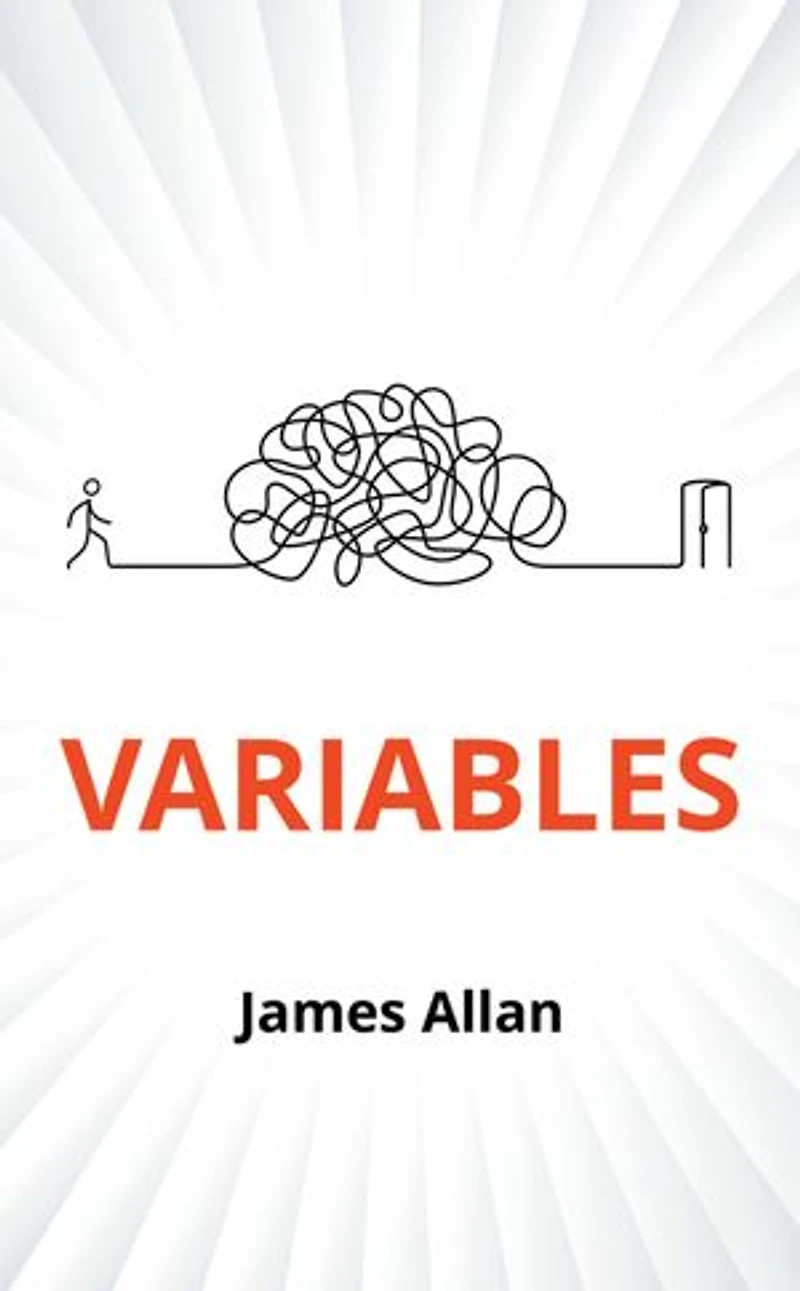
Variables in Ottawa, ON
Current price: $8.89
Original price: $10.18

Variables in Ottawa, ON
Current price: $8.89
Original price: $10.18
Loading Inventory...
Size: Kobo eBook
*Product information may vary - to confirm product availability, pricing, shipping and return information please contact Coles
Neil Denton, a psychology researcher, has reached a crisis in his career: he no longer believes in research, despite its claim to control variables. Everything seems pointless; nothing is proved. No matter how meticulous the research design, there is no way of knowing if there is some overlooked variable. Every study is challenged by a counter study. Dubbed his Hamlet Complex by Rachel Probender, he can't move forward, languishes in a state of inertia, his own PhD research into research at a standstill. Neil works in a department that specialises in replicating classic studies, led by Professor Matlock, famed for replicating Milgram's obedience research in England. Matlock has no doubts. For him, control of variables defines psychology as a science. Ironically, an uncontrolled variable has begun sabotaging the replications, making the department a target of media ridicule. But who and why? The saboteur is remarkably well informed, but who is the informer - a disgruntled insider perhaps? Rachel Probender, colleague and close friend of Neil, is researching the novel Frankenstein. Unknown to both, there is a connection between Frankenstein, the Psychology Department's celebrated research into obedience, and the sabotage. Suspected of being the informer, Neil, helped by Rachel, sets out to identify the informer and along the way resolves his own crisis. Set in the 1990s, the novel is a satire on the pitfalls of separate disciplines and the limitations of psychology as a science, and asks, what is science?
Neil Denton, a psychology researcher, has reached a crisis in his career: he no longer believes in research, despite its claim to control variables. Everything seems pointless; nothing is proved. No matter how meticulous the research design, there is no way of knowing if there is some overlooked variable. Every study is challenged by a counter study. Dubbed his Hamlet Complex by Rachel Probender, he can't move forward, languishes in a state of inertia, his own PhD research into research at a standstill. Neil works in a department that specialises in replicating classic studies, led by Professor Matlock, famed for replicating Milgram's obedience research in England. Matlock has no doubts. For him, control of variables defines psychology as a science. Ironically, an uncontrolled variable has begun sabotaging the replications, making the department a target of media ridicule. But who and why? The saboteur is remarkably well informed, but who is the informer - a disgruntled insider perhaps? Rachel Probender, colleague and close friend of Neil, is researching the novel Frankenstein. Unknown to both, there is a connection between Frankenstein, the Psychology Department's celebrated research into obedience, and the sabotage. Suspected of being the informer, Neil, helped by Rachel, sets out to identify the informer and along the way resolves his own crisis. Set in the 1990s, the novel is a satire on the pitfalls of separate disciplines and the limitations of psychology as a science, and asks, what is science?
















More About Coles at Bayshore Shopping Centre
Coles is renowned for its outstanding customer service and great selection of books. Along with the vast array of magazines, stationary, audio-books, children's literature, fiction, non-fiction and reference books, you can find accessories to make your reading experience more pleasurable. We can recommend the very best in reading today. We will help you search our titles for exactly what you need, and if we do not have it in stock, we will order it for you.
100 Bayshore Dr, Nepean, ON K2B 8C1, Canada
Find Coles at Bayshore Shopping Centre in Ottawa, ON
Visit Coles at Bayshore Shopping Centre in Ottawa, ON