

Give the Gift of Choice!
Too many options? Treat your friends and family to their favourite stores with a Bayshore Shopping Centre gift card, redeemable at participating retailers throughout the centre. Click below to purchase yours today!Purchase HereHome
Vickers Wellington Units Of Bomber Command
Coles
Loading Inventory...
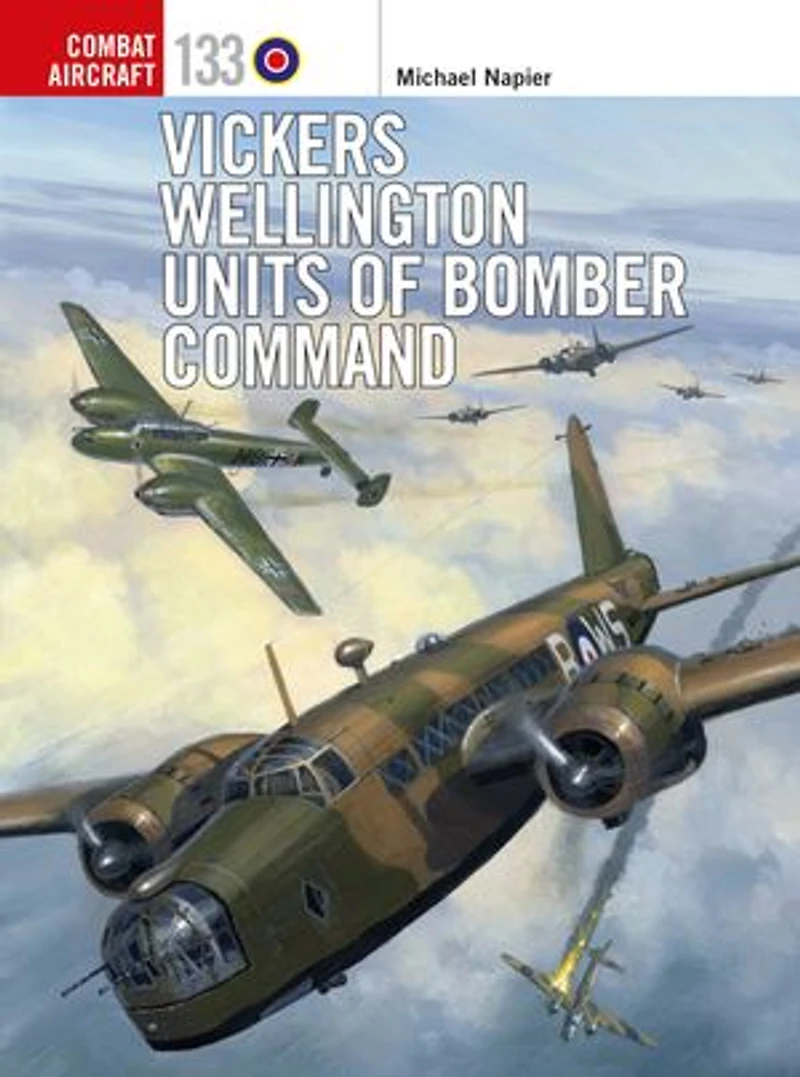
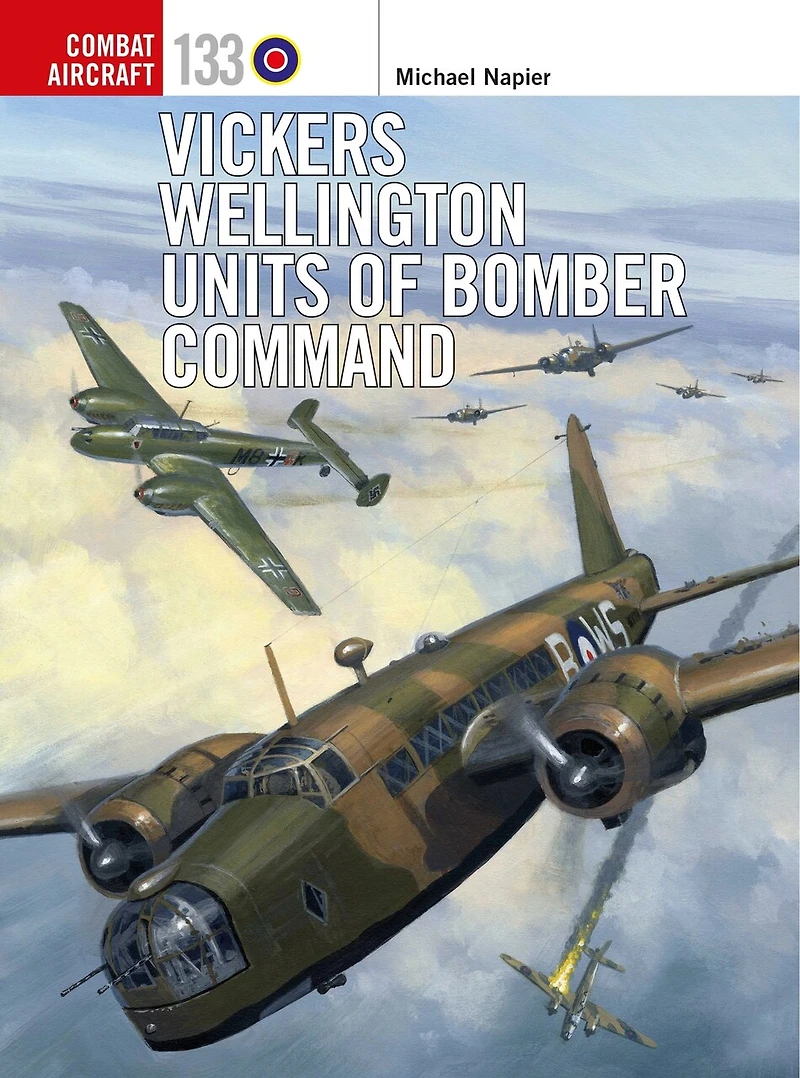
Vickers Wellington Units Of Bomber Command in Ottawa, ON
Current price: $20.79
Original price: $26.00

Vickers Wellington Units Of Bomber Command in Ottawa, ON
Current price: $20.79
Original price: $26.00
Loading Inventory...
Size: Kobo eBook
*Product information may vary - to confirm product availability, pricing, shipping and return information please contact Coles
This illustrated study charts the development and combat history of the Vickers Wellington units, the mainstay of the RAF heavy bomber force during the first half of World War II.
The Vickers Wellington was one of very few aircraft types to have been in production and frontline service throughout World War II, and more than 10,000 Wellingtons were built in the period. They took part in the first RAF bombing mission of the conflict when, on September 4, 1939, 14 examples from Nos 9 and 149 Sqns undertook a daring daylight attack on the Kiel Canal. However, after suffering high losses on follow-up raids, Wellingtons were withdrawn from daytime missions and began to operate at night from May 1940. They subsequently took part in raids against the Italian port city of Genoa in July 1940, and against Berlin the following month, followed by key missions in the “Battle of the Barges” in September and October, as the RAF targeted Germany's invasion fleet assembled in French Channel ports. When RAF's strike force expanded the next year following the introduction of the improved Wellington II, the 21 squadrons equipped with the Vickers aircraft, which included Polish-, Canadian-, and Australian-manned units, formed the backbone of the Bomber Command night bombing force. Over the next two years Wellingtons participated in all the major operations by Bomber Command, including the daylight raid against German battleships in Brest harbor in July 1942 and the first three “Thousand Bomber” raids in the summer of 1942.
This illustrated study explores the design, development, and deployment of the Vickers-Wellington type, charting its role in World War II from its earliest missions to its use in training after its withdrawal from frontline bomber missions in 1943. The text is supported by stunning full-color artwork.
This illustrated study charts the development and combat history of the Vickers Wellington units, the mainstay of the RAF heavy bomber force during the first half of World War II.
The Vickers Wellington was one of very few aircraft types to have been in production and frontline service throughout World War II, and more than 10,000 Wellingtons were built in the period. They took part in the first RAF bombing mission of the conflict when, on September 4, 1939, 14 examples from Nos 9 and 149 Sqns undertook a daring daylight attack on the Kiel Canal. However, after suffering high losses on follow-up raids, Wellingtons were withdrawn from daytime missions and began to operate at night from May 1940. They subsequently took part in raids against the Italian port city of Genoa in July 1940, and against Berlin the following month, followed by key missions in the “Battle of the Barges” in September and October, as the RAF targeted Germany's invasion fleet assembled in French Channel ports. When RAF's strike force expanded the next year following the introduction of the improved Wellington II, the 21 squadrons equipped with the Vickers aircraft, which included Polish-, Canadian-, and Australian-manned units, formed the backbone of the Bomber Command night bombing force. Over the next two years Wellingtons participated in all the major operations by Bomber Command, including the daylight raid against German battleships in Brest harbor in July 1942 and the first three “Thousand Bomber” raids in the summer of 1942.
This illustrated study explores the design, development, and deployment of the Vickers-Wellington type, charting its role in World War II from its earliest missions to its use in training after its withdrawal from frontline bomber missions in 1943. The text is supported by stunning full-color artwork.
You May Also Like









More About Coles at Bayshore Shopping Centre
Coles is renowned for its outstanding customer service and great selection of books. Along with the vast array of magazines, stationary, audio-books, children's literature, fiction, non-fiction and reference books, you can find accessories to make your reading experience more pleasurable. We can recommend the very best in reading today. We will help you search our titles for exactly what you need, and if we do not have it in stock, we will order it for you.
100 Bayshore Dr, Nepean, ON K2B 8C1, Canada
Find Coles at Bayshore Shopping Centre in Ottawa, ON
Visit Coles at Bayshore Shopping Centre in Ottawa, ON