

Give the Gift of Choice!
Too many options? Treat your friends and family to their favourite stores with a Bayshore Shopping Centre gift card, redeemable at participating retailers throughout the centre. Click below to purchase yours today!Purchase HereHome
War Comics: A Postcolonial Perspective
Coles
Loading Inventory...
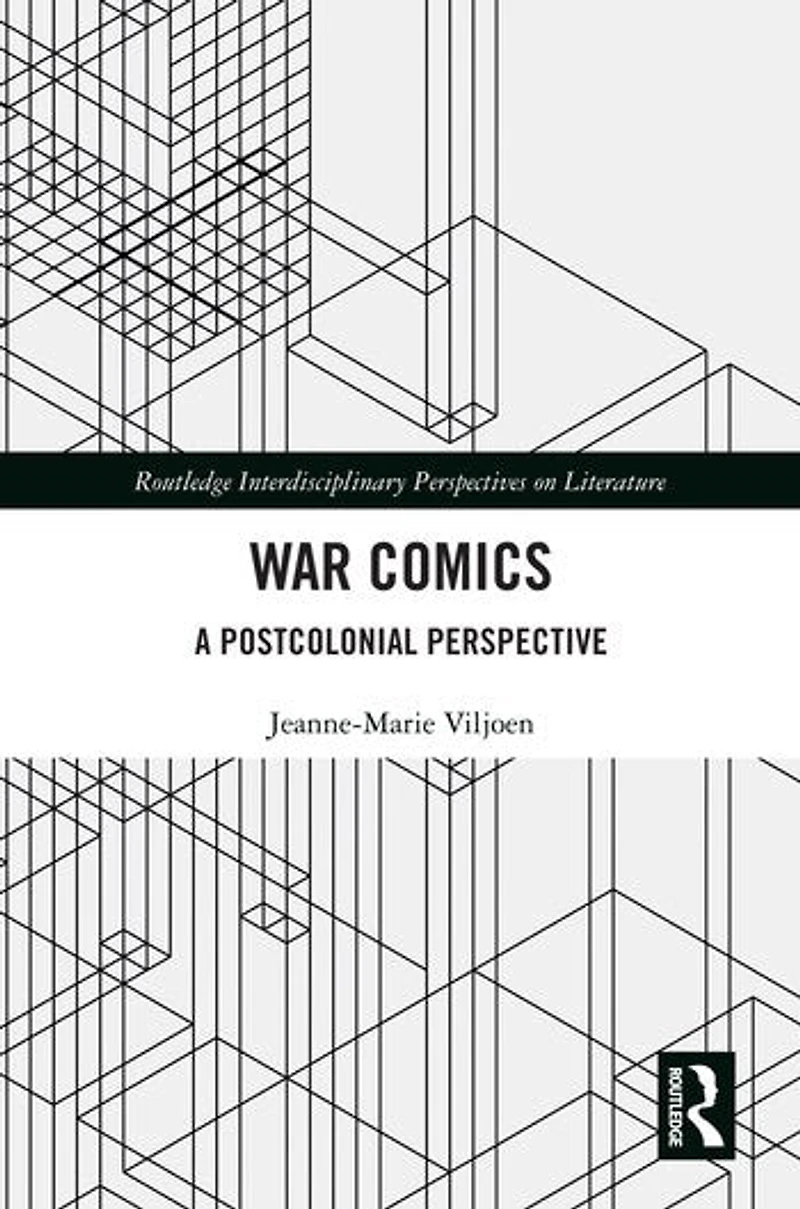
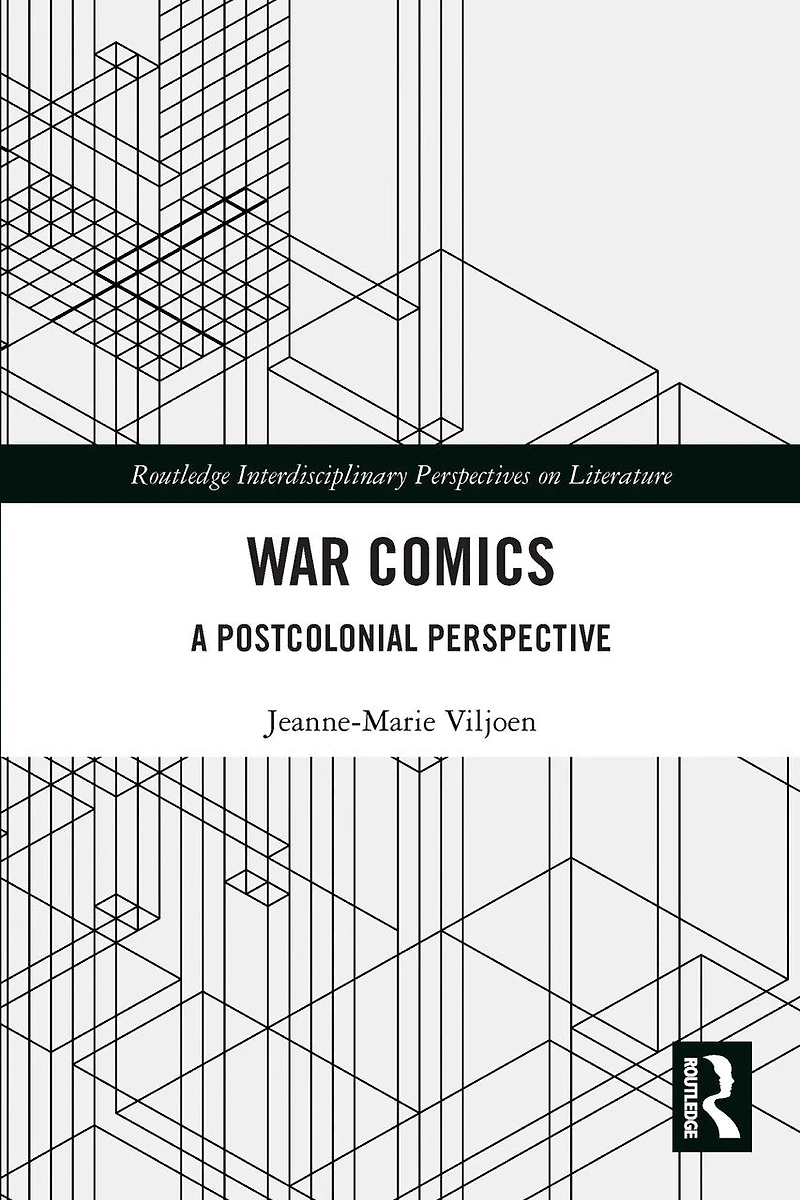
War Comics: A Postcolonial Perspective in Ottawa, ON
Current price: $296.50

War Comics: A Postcolonial Perspective in Ottawa, ON
Current price: $296.50
Loading Inventory...
Size: Hardcover
*Product information may vary - to confirm product availability, pricing, shipping and return information please contact Coles
This book focuses on non-fictional, visual narratives (including comics; graphic narratives; animated documentaries and online, interactive documentaries) that attempt to represent violent experiences, primarily in the Levant. In doing so it explores, from a philosophical perspective, the problem of representing trauma when language seems inadequate to describe our experiences and how the visual narrative form may help us with this. The book uses the concept of the ineffable to expand the notion of representation beyond the confines of a western, individualist notion of trauma as event based. In so doing, it engages a postcolonial perspective of trauma, which treats violence as ongoing and connected to several incidents of violence across time and space. This book demonstrates how the formal qualities of visual, non-fiction may help close the gap between representation and experience through the process of 'dark' writing.
This book focuses on non-fictional, visual narratives (including comics; graphic narratives; animated documentaries and online, interactive documentaries) that attempt to represent violent experiences, primarily in the Levant. In doing so it explores, from a philosophical perspective, the problem of representing trauma when language seems inadequate to describe our experiences and how the visual narrative form may help us with this. The book uses the concept of the ineffable to expand the notion of representation beyond the confines of a western, individualist notion of trauma as event based. In so doing, it engages a postcolonial perspective of trauma, which treats violence as ongoing and connected to several incidents of violence across time and space. This book demonstrates how the formal qualities of visual, non-fiction may help close the gap between representation and experience through the process of 'dark' writing.
You May Also Like








More About Coles at Bayshore Shopping Centre
Coles is renowned for its outstanding customer service and great selection of books. Along with the vast array of magazines, stationary, audio-books, children's literature, fiction, non-fiction and reference books, you can find accessories to make your reading experience more pleasurable. We can recommend the very best in reading today. We will help you search our titles for exactly what you need, and if we do not have it in stock, we will order it for you.
100 Bayshore Dr, Nepean, ON K2B 8C1, Canada
Find Coles at Bayshore Shopping Centre in Ottawa, ON
Visit Coles at Bayshore Shopping Centre in Ottawa, ON