

Give the Gift of Choice!
Too many options? Treat your friends and family to their favourite stores with a Bayshore Shopping Centre gift card, redeemable at participating retailers throughout the centre. Click below to purchase yours today!Purchase HereHome
War Junk: Munitions Disposal And Postwar Reconstruction Canada
Coles
Loading Inventory...
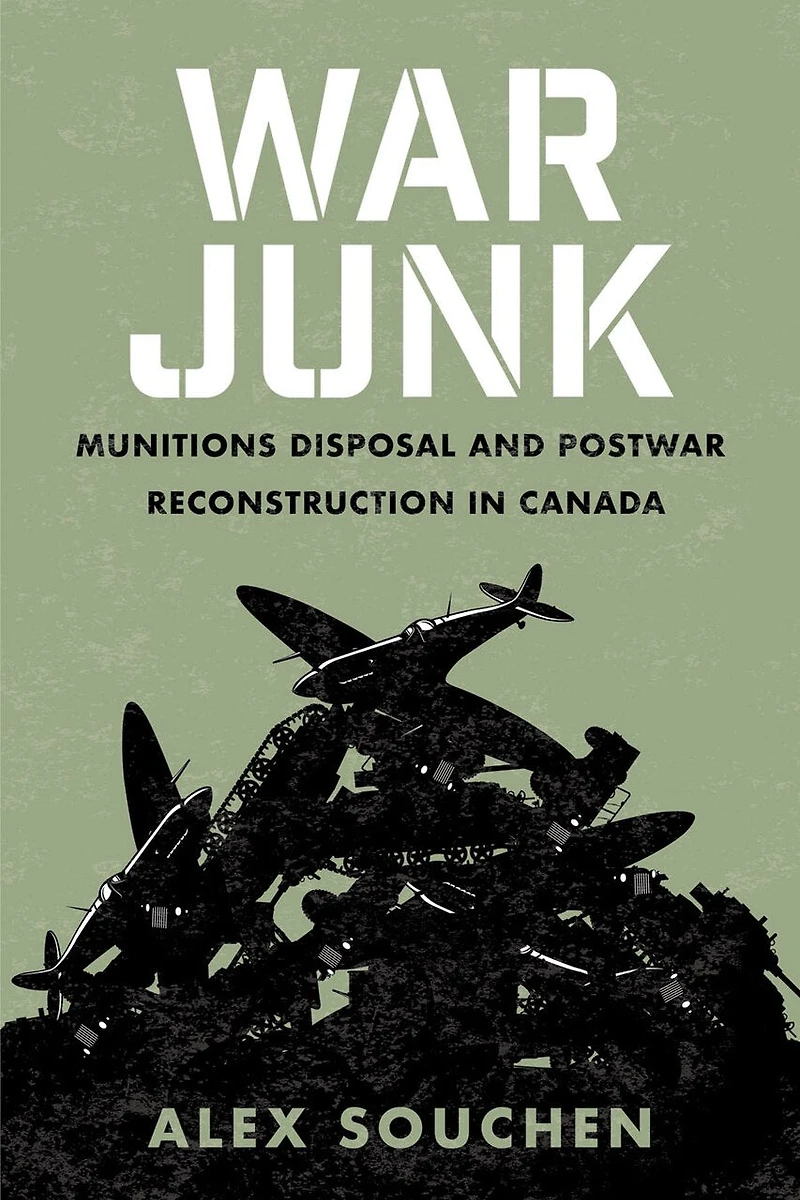
War Junk: Munitions Disposal And Postwar Reconstruction Canada in Ottawa, ON
Current price: $37.95

War Junk: Munitions Disposal And Postwar Reconstruction Canada in Ottawa, ON
Current price: $37.95
Loading Inventory...
Size: Hardcover
*Product information may vary - to confirm product availability, pricing, shipping and return information please contact Coles
During the Second World War, Canadian factories produced mountains of munitions and supplies, including some 800 ships, 16,000 aircraft, 800,000 vehicles, and over 4.6 billion rounds of ammunition and artillery shells. Although they were crucial to winning the war, these assets turned into peacetime liabilities when hostilities ended in 1945.
Drawing on comprehensive archival research, Alex Souchen provides a definitive account of the disposal crisis triggered by Allied victory and shows how policymakers implemented a disposal strategy that facilitated postwar reconstruction. Canadians responded to the unprecedented divestment of public property by reusing and recycling military surpluses to improve their postwar lives.
War Junk recounts the complex political, economic, social, and environmental legacies of munitions disposal in Canada by revealing how the tools of war became integral to the making of postwar Canada.
During the Second World War, Canadian factories produced mountains of munitions and supplies, including some 800 ships, 16,000 aircraft, 800,000 vehicles, and over 4.6 billion rounds of ammunition and artillery shells. Although they were crucial to winning the war, these assets turned into peacetime liabilities when hostilities ended in 1945.
Drawing on comprehensive archival research, Alex Souchen provides a definitive account of the disposal crisis triggered by Allied victory and shows how policymakers implemented a disposal strategy that facilitated postwar reconstruction. Canadians responded to the unprecedented divestment of public property by reusing and recycling military surpluses to improve their postwar lives.
War Junk recounts the complex political, economic, social, and environmental legacies of munitions disposal in Canada by revealing how the tools of war became integral to the making of postwar Canada.
You May Also Like













More About Coles at Bayshore Shopping Centre
Coles is renowned for its outstanding customer service and great selection of books. Along with the vast array of magazines, stationary, audio-books, children's literature, fiction, non-fiction and reference books, you can find accessories to make your reading experience more pleasurable. We can recommend the very best in reading today. We will help you search our titles for exactly what you need, and if we do not have it in stock, we will order it for you.
100 Bayshore Dr, Nepean, ON K2B 8C1, Canada
Find Coles at Bayshore Shopping Centre in Ottawa, ON
Visit Coles at Bayshore Shopping Centre in Ottawa, ON