

Give the Gift of Choice!
Too many options? Treat your friends and family to their favourite stores with a Bayshore Shopping Centre gift card, redeemable at participating retailers throughout the centre. Click below to purchase yours today!Purchase HereHome
War of Nerves: Chemical Warfare from World I to Al-Qaeda
Coles
Loading Inventory...

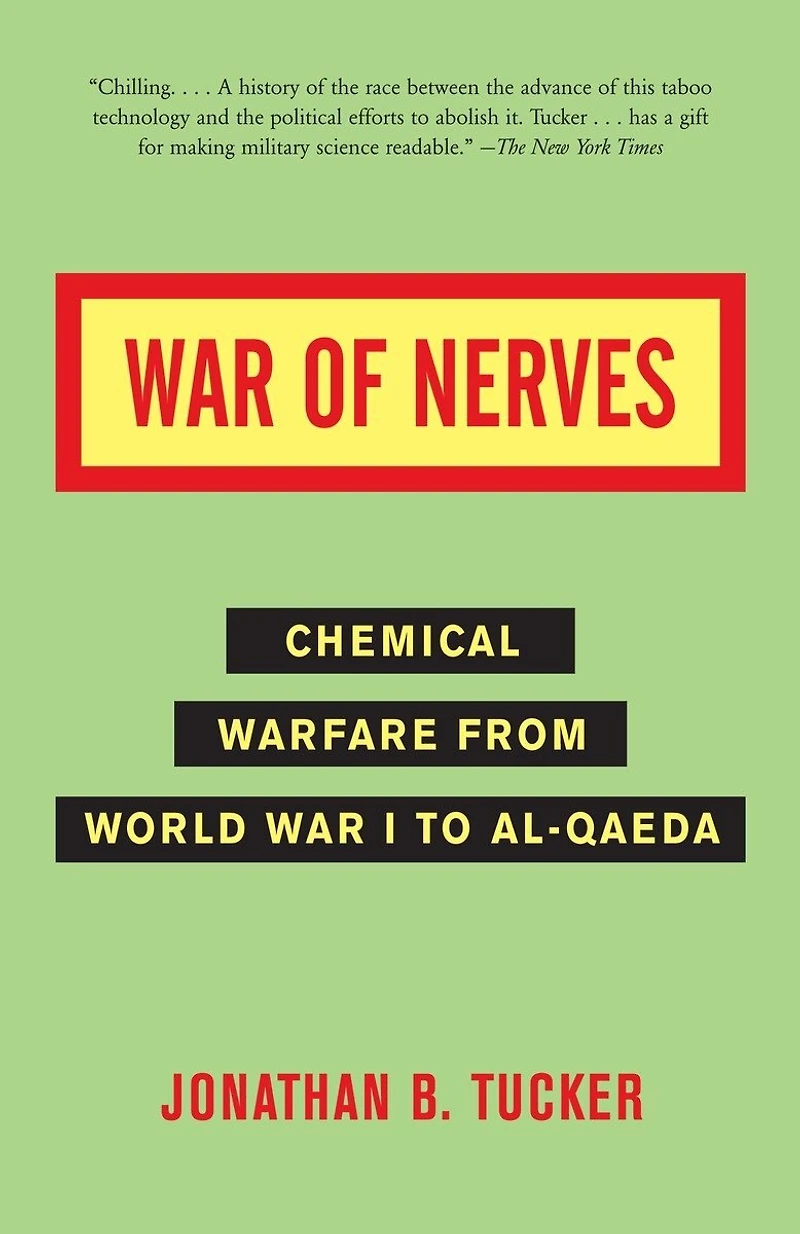
War of Nerves: Chemical Warfare from World I to Al-Qaeda in Ottawa, ON
Current price: $9.99

War of Nerves: Chemical Warfare from World I to Al-Qaeda in Ottawa, ON
Current price: $9.99
Loading Inventory...
Size: Kobo eBook
*Product information may vary - to confirm product availability, pricing, shipping and return information please contact Coles
In this important and revelatory book, Jonathan Tucker, a leading expert on chemical and biological weapons, chronicles the lethal history of chemical warfare from World War I to the present.
At the turn of the twentieth century, the rise of synthetic chemistry made the large-scale use of toxic chemicals on the battlefield both feasible and cheap. Tucker explores the long debate over the military utility and morality of chemical warfare, from the first chlorine gas attack at Ypres in 1915 to Hitler’s reluctance to use nerve agents (he believed, incorrectly, that the U.S. could retaliate in kind) to Saddam Hussein’s gassing of his own people, and concludes with the emergent threat of chemical terrorism. Moving beyond history to the twenty-first century, War of Nerves makes clear that we are at a crossroads that could lead either to the further spread of these weapons or to their ultimate abolition.
In this important and revelatory book, Jonathan Tucker, a leading expert on chemical and biological weapons, chronicles the lethal history of chemical warfare from World War I to the present.
At the turn of the twentieth century, the rise of synthetic chemistry made the large-scale use of toxic chemicals on the battlefield both feasible and cheap. Tucker explores the long debate over the military utility and morality of chemical warfare, from the first chlorine gas attack at Ypres in 1915 to Hitler’s reluctance to use nerve agents (he believed, incorrectly, that the U.S. could retaliate in kind) to Saddam Hussein’s gassing of his own people, and concludes with the emergent threat of chemical terrorism. Moving beyond history to the twenty-first century, War of Nerves makes clear that we are at a crossroads that could lead either to the further spread of these weapons or to their ultimate abolition.
You May Also Like












More About Coles at Bayshore Shopping Centre
Coles is renowned for its outstanding customer service and great selection of books. Along with the vast array of magazines, stationary, audio-books, children's literature, fiction, non-fiction and reference books, you can find accessories to make your reading experience more pleasurable. We can recommend the very best in reading today. We will help you search our titles for exactly what you need, and if we do not have it in stock, we will order it for you.
100 Bayshore Dr, Nepean, ON K2B 8C1, Canada
Find Coles at Bayshore Shopping Centre in Ottawa, ON
Visit Coles at Bayshore Shopping Centre in Ottawa, ON