

Give the Gift of Choice!
Too many options? Treat your friends and family to their favourite stores with a Bayshore Shopping Centre gift card, redeemable at participating retailers throughout the centre. Click below to purchase yours today!Purchase HereHome
War on the Ballot: How the Election Cycle Shapes Presidential Decision-Making in War
Coles
Loading Inventory...
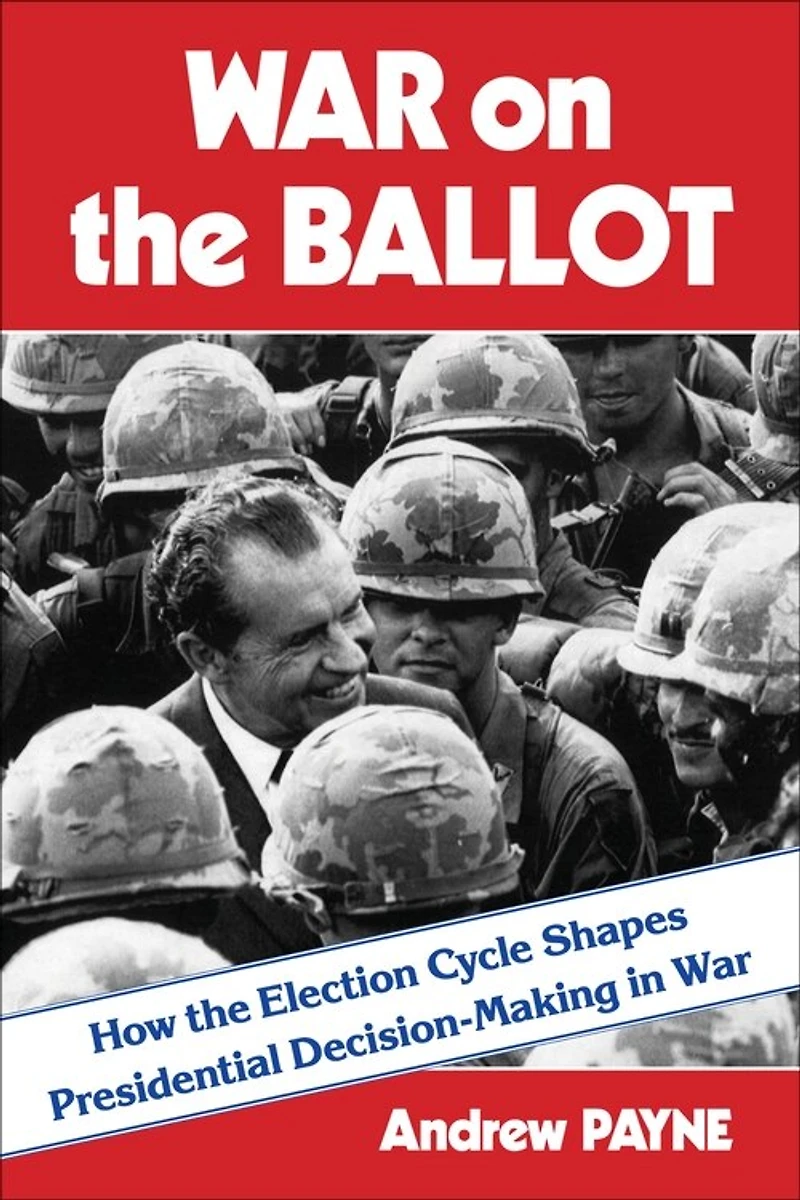
War on the Ballot: How the Election Cycle Shapes Presidential Decision-Making in War in Ottawa, ON
Current price: $36.99
Original price: $45.99

War on the Ballot: How the Election Cycle Shapes Presidential Decision-Making in War in Ottawa, ON
Current price: $36.99
Original price: $45.99
Loading Inventory...
Size: Kobo eBook
*Product information may vary - to confirm product availability, pricing, shipping and return information please contact Coles
Winner, 2024 Richard E. Neustadt Book Prize, American Politics Group, Political Studies Association
The president of the United States is at once holder of the highest elected office and commander in chief of the armed forces. How do upcoming elections influence presidents’ behavior during wartime? How do presidents balance perceptions of the national interest with personal political interests?
War on the Ballot examines how electoral politics shaped presidential decisions on military and diplomatic strategy during the wars in Korea, Vietnam, and Iraq. Drawing on a wealth of declassified documents and interviews with senior officials and military officers, Andrew Payne reveals the surprisingly large role played by political considerations during conflicts. He demonstrates how the exigencies of the electoral cycle drove leaders to miss opportunities to limit the human and financial costs of each war, gain strategic advantage, or sue for peace, sometimes making critical decisions with striking disregard for the consequences on the ground. Payne emphasizes the importance of electoral pressures throughout the full course of a conflict, not just around the initial decision to intervene. He shows how electoral constraints operate across different phases of the political calendar, going beyond the period immediately preceding a presidential election.
Offering a systematic analysis of the relationship between electoral politics and wartime decision-making, this book raises crucial questions about democratic accountability in foreign policy.
Winner, 2024 Richard E. Neustadt Book Prize, American Politics Group, Political Studies Association
The president of the United States is at once holder of the highest elected office and commander in chief of the armed forces. How do upcoming elections influence presidents’ behavior during wartime? How do presidents balance perceptions of the national interest with personal political interests?
War on the Ballot examines how electoral politics shaped presidential decisions on military and diplomatic strategy during the wars in Korea, Vietnam, and Iraq. Drawing on a wealth of declassified documents and interviews with senior officials and military officers, Andrew Payne reveals the surprisingly large role played by political considerations during conflicts. He demonstrates how the exigencies of the electoral cycle drove leaders to miss opportunities to limit the human and financial costs of each war, gain strategic advantage, or sue for peace, sometimes making critical decisions with striking disregard for the consequences on the ground. Payne emphasizes the importance of electoral pressures throughout the full course of a conflict, not just around the initial decision to intervene. He shows how electoral constraints operate across different phases of the political calendar, going beyond the period immediately preceding a presidential election.
Offering a systematic analysis of the relationship between electoral politics and wartime decision-making, this book raises crucial questions about democratic accountability in foreign policy.








More About Coles at Bayshore Shopping Centre
Coles is renowned for its outstanding customer service and great selection of books. Along with the vast array of magazines, stationary, audio-books, children's literature, fiction, non-fiction and reference books, you can find accessories to make your reading experience more pleasurable. We can recommend the very best in reading today. We will help you search our titles for exactly what you need, and if we do not have it in stock, we will order it for you.
100 Bayshore Dr, Nepean, ON K2B 8C1, Canada
Find Coles at Bayshore Shopping Centre in Ottawa, ON
Visit Coles at Bayshore Shopping Centre in Ottawa, ON