

Give the Gift of Choice!
Too many options? Treat your friends and family to their favourite stores with a Bayshore Shopping Centre gift card, redeemable at participating retailers throughout the centre. Click below to purchase yours today!Purchase HereHome
Waste Recycling Technologies for Nanomaterials Manufacturing
Coles
Loading Inventory...
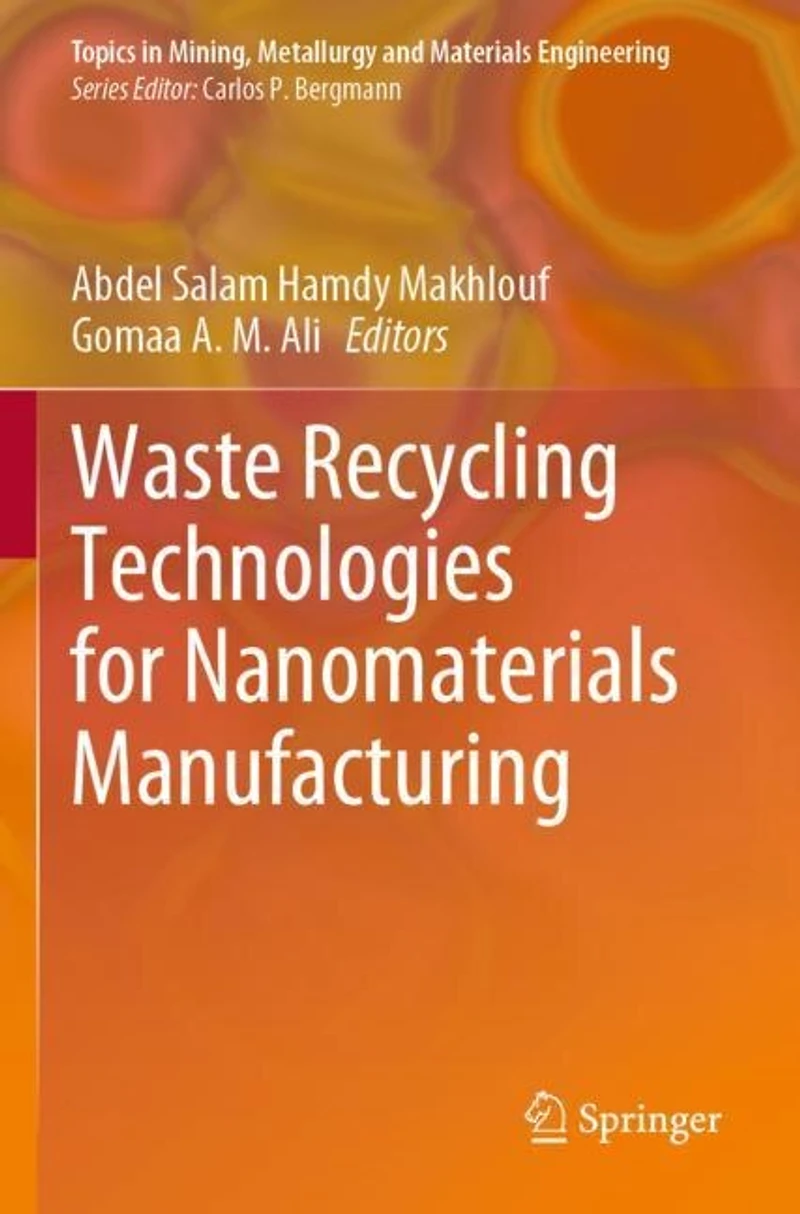
Waste Recycling Technologies for Nanomaterials Manufacturing in Ottawa, ON
Current price: $262.95

Waste Recycling Technologies for Nanomaterials Manufacturing in Ottawa, ON
Current price: $262.95
Loading Inventory...
Size: Paperback
*Product information may vary - to confirm product availability, pricing, shipping and return information please contact Coles
This book discusses the recent advances in the wastes recycling technologies to provide low-cost and alternative ways for nanomaterials production. It shows how carbon nanomaterials can be synthesized from different waste sources such as banana fibers, argan (Argania spinosa) seed shells, corn grains, camellia oleifera shell, sugar cane bagasse, oil palm (empty fruit bunches and leaves) and palm kernel shells. Several nanostructured metal oxides (MnO2, Co3O4,....) can be synthesized via recycling of spent batteries. The recovered nanomaterials can be applied in many applications including: Energy (supercapacitors, solar cells, etc.) water treatments (heavy metal ions and dyes removal) and other applications. Spent battery and agriculture waste are rich precursors for metals and carbon, respectively. The book also explores the various recycling techniques, agriculture waste recycling, batteries recycling, and different applications of the recycled materials.
This book discusses the recent advances in the wastes recycling technologies to provide low-cost and alternative ways for nanomaterials production. It shows how carbon nanomaterials can be synthesized from different waste sources such as banana fibers, argan (Argania spinosa) seed shells, corn grains, camellia oleifera shell, sugar cane bagasse, oil palm (empty fruit bunches and leaves) and palm kernel shells. Several nanostructured metal oxides (MnO2, Co3O4,....) can be synthesized via recycling of spent batteries. The recovered nanomaterials can be applied in many applications including: Energy (supercapacitors, solar cells, etc.) water treatments (heavy metal ions and dyes removal) and other applications. Spent battery and agriculture waste are rich precursors for metals and carbon, respectively. The book also explores the various recycling techniques, agriculture waste recycling, batteries recycling, and different applications of the recycled materials.
You May Also Like







More About Coles at Bayshore Shopping Centre
Coles is renowned for its outstanding customer service and great selection of books. Along with the vast array of magazines, stationary, audio-books, children's literature, fiction, non-fiction and reference books, you can find accessories to make your reading experience more pleasurable. We can recommend the very best in reading today. We will help you search our titles for exactly what you need, and if we do not have it in stock, we will order it for you.
100 Bayshore Dr, Nepean, ON K2B 8C1, Canada
Find Coles at Bayshore Shopping Centre in Ottawa, ON
Visit Coles at Bayshore Shopping Centre in Ottawa, ON