

Give the Gift of Choice!
Too many options? Treat your friends and family to their favourite stores with a Bayshore Shopping Centre gift card, redeemable at participating retailers throughout the centre. Click below to purchase yours today!Purchase HereHome
Wastewater Management For Irrigation: Principles And Practices
Coles
Loading Inventory...
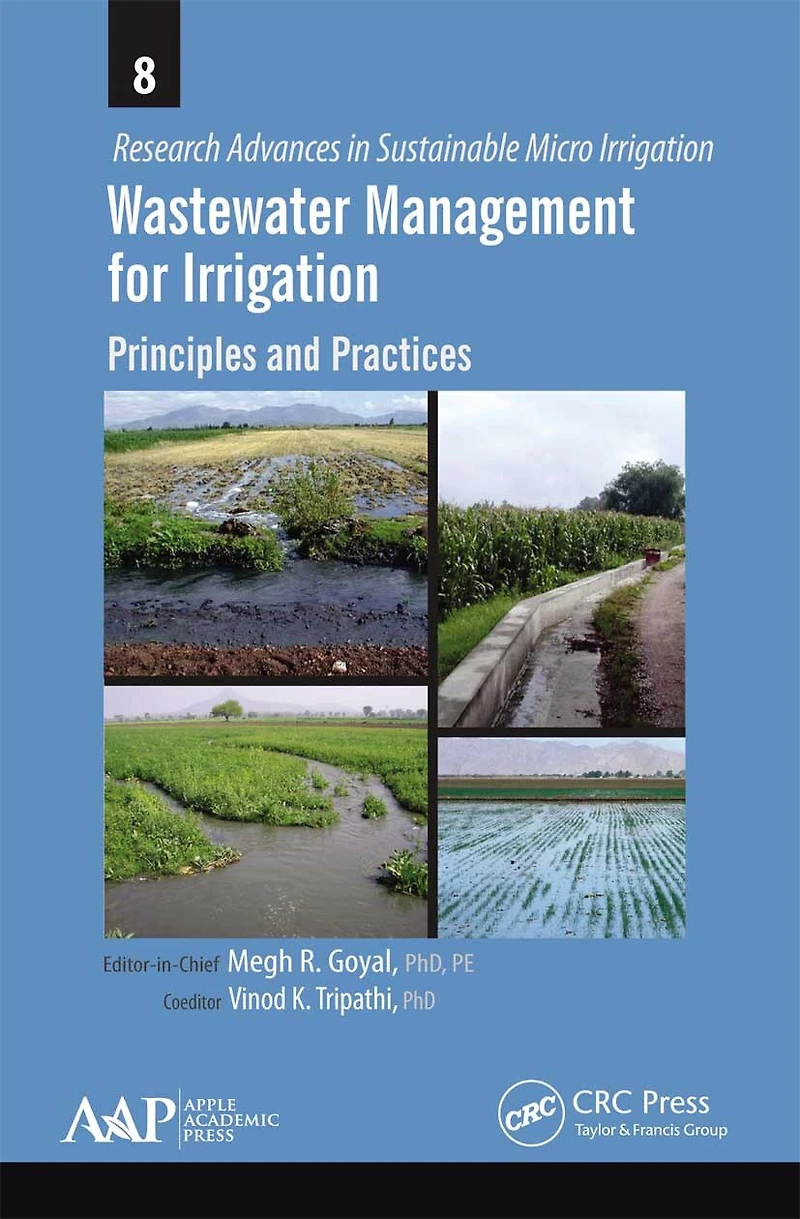
Wastewater Management For Irrigation: Principles And Practices in Ottawa, ON
Current price: $146.95

Wastewater Management For Irrigation: Principles And Practices in Ottawa, ON
Current price: $146.95
Loading Inventory...
Size: Paperback
*Product information may vary - to confirm product availability, pricing, shipping and return information please contact Coles
The reuse of wastewater in irrigation is being practiced only recently to solve water scarcity problems in agriculture. Management of water, soil, crop, and operational procedures, including precautions to protect farm workers, play an important role in the successful use of sewage effluent for irrigation. Appropriate water management practices must be followed to prevent salinization. If salt is not flushed out of the root zone by leaching and removed from the soil by effective drainage, salinity problems can build up rapidly. Leaching and drainage are, thus, two important water management practices to avoid salinization of soils. One of the options that may be available to farmers is the blending of treated sewage with conventional sources of water to obtain a blended water of acceptable salinity level.
This important book focuses on the use of wastewater as a valuable resource for agricultural micro irrigation purposes. It covers effective wastewater management practices in a variety of climates, including semi-arid regions and others; how to perform effective evaluations to gauge the quality of the water on plants, including potatoes, maize, and eggplant; and the cost-benefit of using wastewater. It addresses the sources of wastewater for irrigation and the problems along with challenges, including water quality, clogging, soil quality, and more.
The mission of this compendium is to serve as a reference manual for professionals in biological and civil engineering, horticulture, soil and crop science, and agronomy, as well as for graduate and undergraduate students in related fields. It will be a valuable reference for professionals who work with micro irrigation/wastewater and water management, for technical agricultural centers, irrigation centers, agricultural extension services, and other agencies that work with micro irrigation programs.
The reuse of wastewater in irrigation is being practiced only recently to solve water scarcity problems in agriculture. Management of water, soil, crop, and operational procedures, including precautions to protect farm workers, play an important role in the successful use of sewage effluent for irrigation. Appropriate water management practices must be followed to prevent salinization. If salt is not flushed out of the root zone by leaching and removed from the soil by effective drainage, salinity problems can build up rapidly. Leaching and drainage are, thus, two important water management practices to avoid salinization of soils. One of the options that may be available to farmers is the blending of treated sewage with conventional sources of water to obtain a blended water of acceptable salinity level.
This important book focuses on the use of wastewater as a valuable resource for agricultural micro irrigation purposes. It covers effective wastewater management practices in a variety of climates, including semi-arid regions and others; how to perform effective evaluations to gauge the quality of the water on plants, including potatoes, maize, and eggplant; and the cost-benefit of using wastewater. It addresses the sources of wastewater for irrigation and the problems along with challenges, including water quality, clogging, soil quality, and more.
The mission of this compendium is to serve as a reference manual for professionals in biological and civil engineering, horticulture, soil and crop science, and agronomy, as well as for graduate and undergraduate students in related fields. It will be a valuable reference for professionals who work with micro irrigation/wastewater and water management, for technical agricultural centers, irrigation centers, agricultural extension services, and other agencies that work with micro irrigation programs.
You May Also Like









More About Coles at Bayshore Shopping Centre
Coles is renowned for its outstanding customer service and great selection of books. Along with the vast array of magazines, stationary, audio-books, children's literature, fiction, non-fiction and reference books, you can find accessories to make your reading experience more pleasurable. We can recommend the very best in reading today. We will help you search our titles for exactly what you need, and if we do not have it in stock, we will order it for you.
100 Bayshore Dr, Nepean, ON K2B 8C1, Canada
Find Coles at Bayshore Shopping Centre in Ottawa, ON
Visit Coles at Bayshore Shopping Centre in Ottawa, ON