

Give the Gift of Choice!
Too many options? Treat your friends and family to their favourite stores with a Bayshore Shopping Centre gift card, redeemable at participating retailers throughout the centre. Click below to purchase yours today!Purchase HereHome
Welfare: Brief Books about Big Ideas
Coles
Loading Inventory...

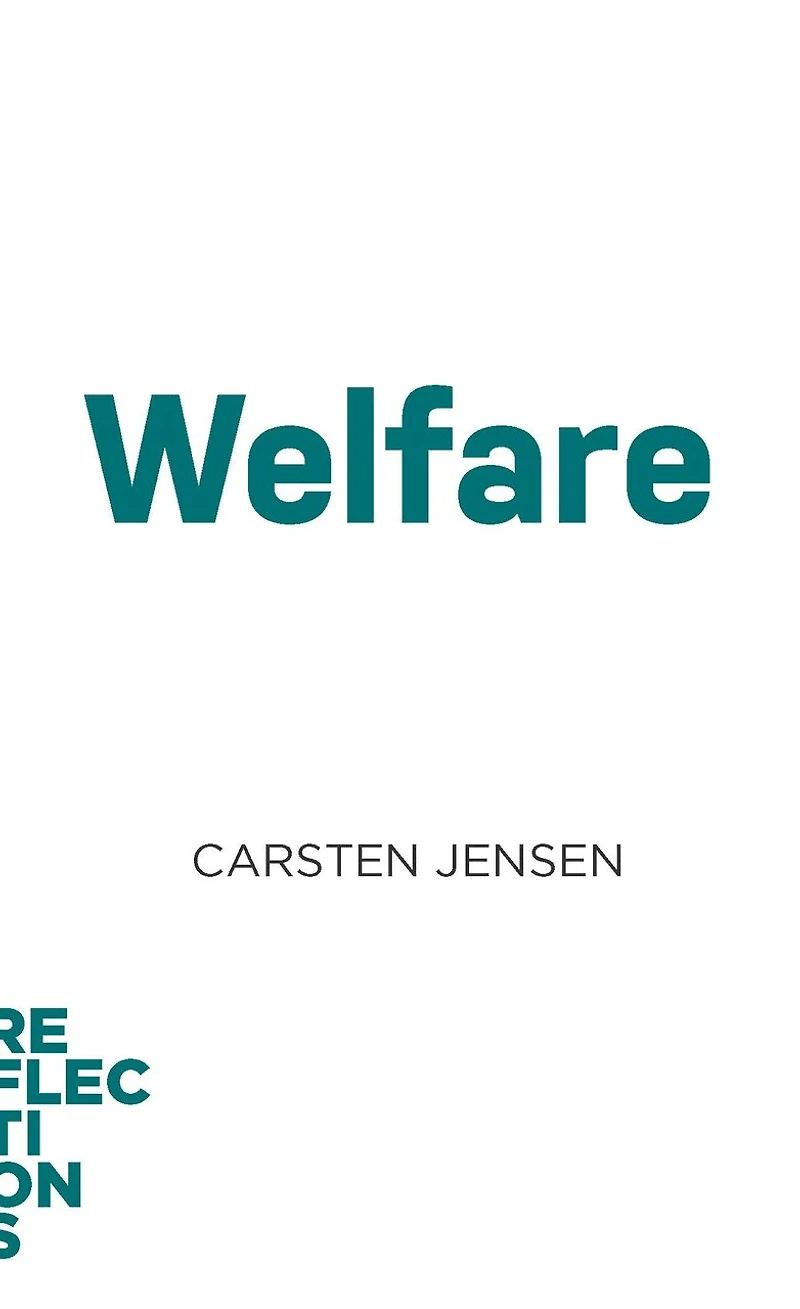
Welfare: Brief Books about Big Ideas in Ottawa, ON
Current price: $9.99
Original price: $12.15

Welfare: Brief Books about Big Ideas in Ottawa, ON
Current price: $9.99
Original price: $12.15
Loading Inventory...
Size: Kobo eBook
*Product information may vary - to confirm product availability, pricing, shipping and return information please contact Coles
A short but engaging look at how nations have succeeded and failed at welfare. In Welfare , political scientist Carsten Jensen examines how the Danish welfare model leads to some of the highest levels of happiness, education, and health in the world. He argues that this welfare model is a success story because it has created a remarkable level of equality and forged strong links between people and public institutions. Jensen probes four central questions about this model: Why do Danes support the welfare state? Which historic events and people have enabled such intimate links to arise between the state and welfare? How much welfare do Danes actually get? And finally, how has Denmark been able to combine welfare and wealth, and how viable will this model be in the future? In Reflections, a series copublished with Denmark's Aarhus University Press, scholars deliver 60-page reflections on key concepts. These books present unique insights on a wide range of topics that entertain and enlighten readers with exciting discoveries and new perspectives.
A short but engaging look at how nations have succeeded and failed at welfare. In Welfare , political scientist Carsten Jensen examines how the Danish welfare model leads to some of the highest levels of happiness, education, and health in the world. He argues that this welfare model is a success story because it has created a remarkable level of equality and forged strong links between people and public institutions. Jensen probes four central questions about this model: Why do Danes support the welfare state? Which historic events and people have enabled such intimate links to arise between the state and welfare? How much welfare do Danes actually get? And finally, how has Denmark been able to combine welfare and wealth, and how viable will this model be in the future? In Reflections, a series copublished with Denmark's Aarhus University Press, scholars deliver 60-page reflections on key concepts. These books present unique insights on a wide range of topics that entertain and enlighten readers with exciting discoveries and new perspectives.
You May Also Like


















More About Coles at Bayshore Shopping Centre
Coles is renowned for its outstanding customer service and great selection of books. Along with the vast array of magazines, stationary, audio-books, children's literature, fiction, non-fiction and reference books, you can find accessories to make your reading experience more pleasurable. We can recommend the very best in reading today. We will help you search our titles for exactly what you need, and if we do not have it in stock, we will order it for you.
100 Bayshore Dr, Nepean, ON K2B 8C1, Canada
Find Coles at Bayshore Shopping Centre in Ottawa, ON
Visit Coles at Bayshore Shopping Centre in Ottawa, ON