

Give the Gift of Choice!
Too many options? Treat your friends and family to their favourite stores with a Bayshore Shopping Centre gift card, redeemable at participating retailers throughout the centre. Click below to purchase yours today!Purchase HereHome
What Every Engineer Should Know About Risk Engineering and Management
Coles
Loading Inventory...
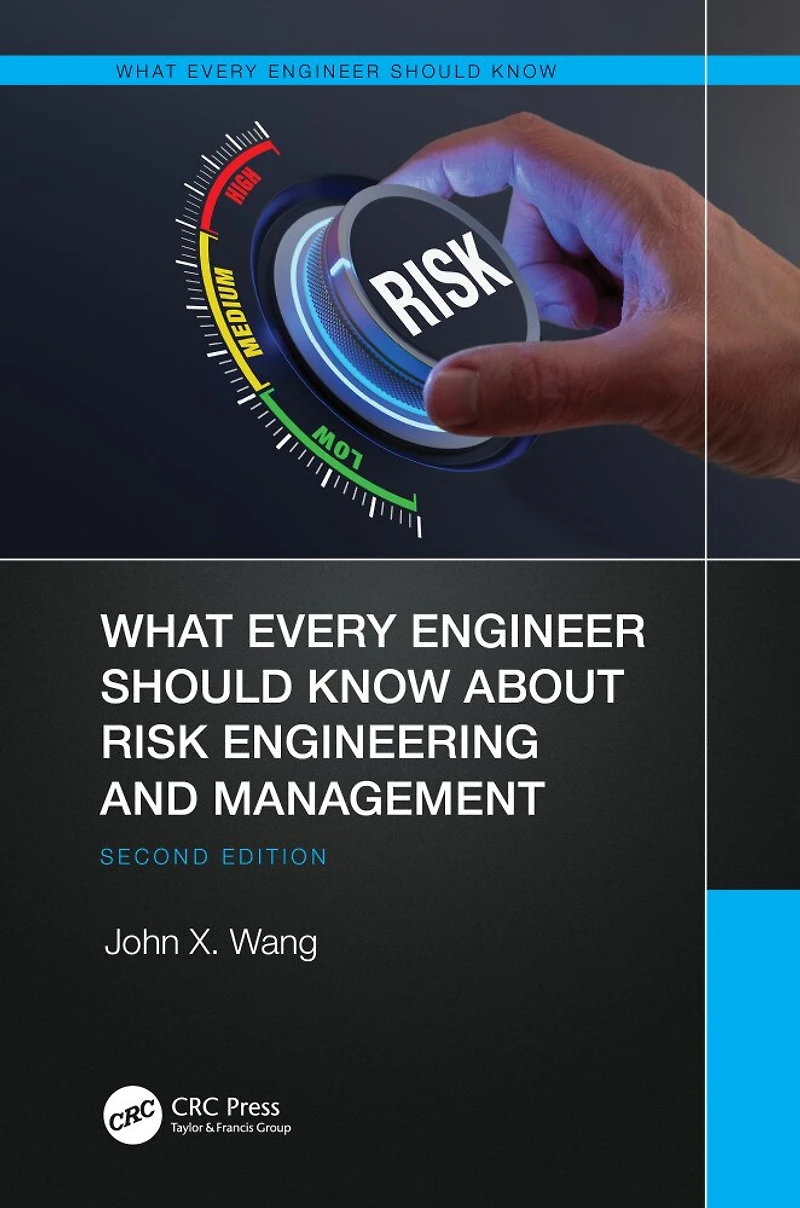
What Every Engineer Should Know About Risk Engineering and Management in Ottawa, ON
Current price: $281.50

What Every Engineer Should Know About Risk Engineering and Management in Ottawa, ON
Current price: $281.50
Loading Inventory...
Size: Hardcover
*Product information may vary - to confirm product availability, pricing, shipping and return information please contact Coles
Completely updated, this new edition uniquely explains how to assess and handle technical risk, schedule risk, and cost risk efficiently and effectively for complex systems that include Artificial Intelligence, Machine Learning, and Deep Learning. It enables engineering professionals to anticipate failures and highlight opportunities to turn failure into success through the systematic application of Risk Engineering. What Every Engineer Should Know About Risk Engineering and Management , Second Edition discusses Risk Engineering and how to deal with System Complexity and Engineering Dynamics, as it highlights how AI can present new and unique ways that failures can take place. The new edition extends the term "Risk Engineering" introduced by the first edition, to Complex Systems in the new edition. The book also relates Decision Tree which was explored in the first edition to Fault Diagnosis in the new edition and introduces new chapters on System Complexity, AI, and Causal Risk Assessment along with other chapter updates to make the book current. Features
Discusses Risk Engineering and how to deal with System Complexity and Engineering Dynamics
Highlights how AI can present new and unique ways of failure that need to be addressed
Extends the term "Risk Engineering" introduced by the first edition to Complex Systems in this new edition
Relates Decision Tree which was explored in the first edition to Fault Diagnosis in the new edition
Includes new chapters on System Complexity, AI, and Causal Risk Assessment along with other chapters being updated to make the book more current
The audience is the beginner with no background in Risk Engineering and can be used by new practitioners, undergraduates, and first-year graduate students.
Completely updated, this new edition uniquely explains how to assess and handle technical risk, schedule risk, and cost risk efficiently and effectively for complex systems that include Artificial Intelligence, Machine Learning, and Deep Learning. It enables engineering professionals to anticipate failures and highlight opportunities to turn failure into success through the systematic application of Risk Engineering. What Every Engineer Should Know About Risk Engineering and Management , Second Edition discusses Risk Engineering and how to deal with System Complexity and Engineering Dynamics, as it highlights how AI can present new and unique ways that failures can take place. The new edition extends the term "Risk Engineering" introduced by the first edition, to Complex Systems in the new edition. The book also relates Decision Tree which was explored in the first edition to Fault Diagnosis in the new edition and introduces new chapters on System Complexity, AI, and Causal Risk Assessment along with other chapter updates to make the book current. Features
Discusses Risk Engineering and how to deal with System Complexity and Engineering Dynamics
Highlights how AI can present new and unique ways of failure that need to be addressed
Extends the term "Risk Engineering" introduced by the first edition to Complex Systems in this new edition
Relates Decision Tree which was explored in the first edition to Fault Diagnosis in the new edition
Includes new chapters on System Complexity, AI, and Causal Risk Assessment along with other chapters being updated to make the book more current
The audience is the beginner with no background in Risk Engineering and can be used by new practitioners, undergraduates, and first-year graduate students.
You May Also Like












More About Coles at Bayshore Shopping Centre
Coles is renowned for its outstanding customer service and great selection of books. Along with the vast array of magazines, stationary, audio-books, children's literature, fiction, non-fiction and reference books, you can find accessories to make your reading experience more pleasurable. We can recommend the very best in reading today. We will help you search our titles for exactly what you need, and if we do not have it in stock, we will order it for you.
100 Bayshore Dr, Nepean, ON K2B 8C1, Canada
Find Coles at Bayshore Shopping Centre in Ottawa, ON
Visit Coles at Bayshore Shopping Centre in Ottawa, ON