

Give the Gift of Choice!
Too many options? Treat your friends and family to their favourite stores with a Bayshore Shopping Centre gift card, redeemable at participating retailers throughout the centre. Click below to purchase yours today!Purchase HereHome
What is a Fair International Society?: Law Between Development and Recognition
Coles
Loading Inventory...
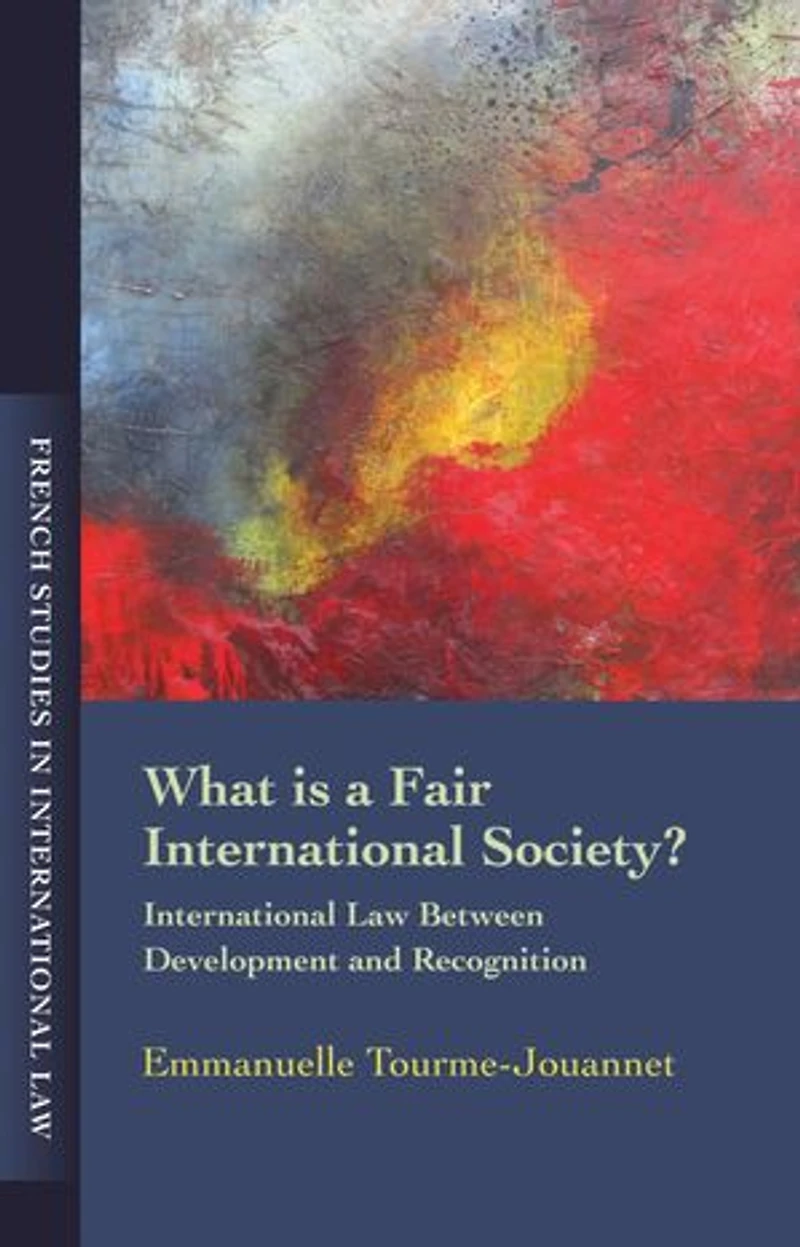
What is a Fair International Society?: Law Between Development and Recognition in Ottawa, ON
Current price: $63.39
Original price: $79.15

What is a Fair International Society?: Law Between Development and Recognition in Ottawa, ON
Current price: $63.39
Original price: $79.15
Loading Inventory...
Size: Kobo eBook
*Product information may vary - to confirm product availability, pricing, shipping and return information please contact Coles
Today's world is post-colonial and post-Cold War. These twin characteristics explain why international society is also riddled with the two major forms of injustice which Nancy Fraser identified as afflicting national societies. First, the economic and social disparities between states caused outcry in the 1950s when the first steps were taken towards decolonisation. These inequalities, to which a number of emerging states now contribute, are still glaring and still pose the problem of the gap between formal equality and true equality. Second, international society is increasingly confronted with culture- and identity-related claims, stretching the dividing line between equality and difference. The less-favoured states, those that feel stigmatised, but also native peoples, ethnic groups, minorities and women now aspire to both legal recognition of their equal dignity and the protection of their identities and cultures. Some even seek reparation for injustices arising from the past violation of their identities and the confiscation of their property or land. In answer to these two forms of claim, the subjects of international society have come up with two types of remedy encapsulated in legal rules: the law of development and the law of recognition. These two sets of rights are neither wholly autonomous and individualised branches of law nor formalised sets of rules. They are imperfect and have their dark side. Yet they can be seen as the first milestones towards what might become a fairer international society; one that is both equitable (as an answer to socio-economic injustice) and decent (as an answer to cultural injustice). This book explores this evolution in international society, setting it in historical perspective and examining its presuppositions and implications.
Today's world is post-colonial and post-Cold War. These twin characteristics explain why international society is also riddled with the two major forms of injustice which Nancy Fraser identified as afflicting national societies. First, the economic and social disparities between states caused outcry in the 1950s when the first steps were taken towards decolonisation. These inequalities, to which a number of emerging states now contribute, are still glaring and still pose the problem of the gap between formal equality and true equality. Second, international society is increasingly confronted with culture- and identity-related claims, stretching the dividing line between equality and difference. The less-favoured states, those that feel stigmatised, but also native peoples, ethnic groups, minorities and women now aspire to both legal recognition of their equal dignity and the protection of their identities and cultures. Some even seek reparation for injustices arising from the past violation of their identities and the confiscation of their property or land. In answer to these two forms of claim, the subjects of international society have come up with two types of remedy encapsulated in legal rules: the law of development and the law of recognition. These two sets of rights are neither wholly autonomous and individualised branches of law nor formalised sets of rules. They are imperfect and have their dark side. Yet they can be seen as the first milestones towards what might become a fairer international society; one that is both equitable (as an answer to socio-economic injustice) and decent (as an answer to cultural injustice). This book explores this evolution in international society, setting it in historical perspective and examining its presuppositions and implications.
You May Also Like










More About Coles at Bayshore Shopping Centre
Coles is renowned for its outstanding customer service and great selection of books. Along with the vast array of magazines, stationary, audio-books, children's literature, fiction, non-fiction and reference books, you can find accessories to make your reading experience more pleasurable. We can recommend the very best in reading today. We will help you search our titles for exactly what you need, and if we do not have it in stock, we will order it for you.
100 Bayshore Dr, Nepean, ON K2B 8C1, Canada
Find Coles at Bayshore Shopping Centre in Ottawa, ON
Visit Coles at Bayshore Shopping Centre in Ottawa, ON