

Give the Gift of Choice!
Too many options? Treat your friends and family to their favourite stores with a Bayshore Shopping Centre gift card, redeemable at participating retailers throughout the centre. Click below to purchase yours today!Purchase HereHome
What is this thing called Metaethics?
Coles
Loading Inventory...
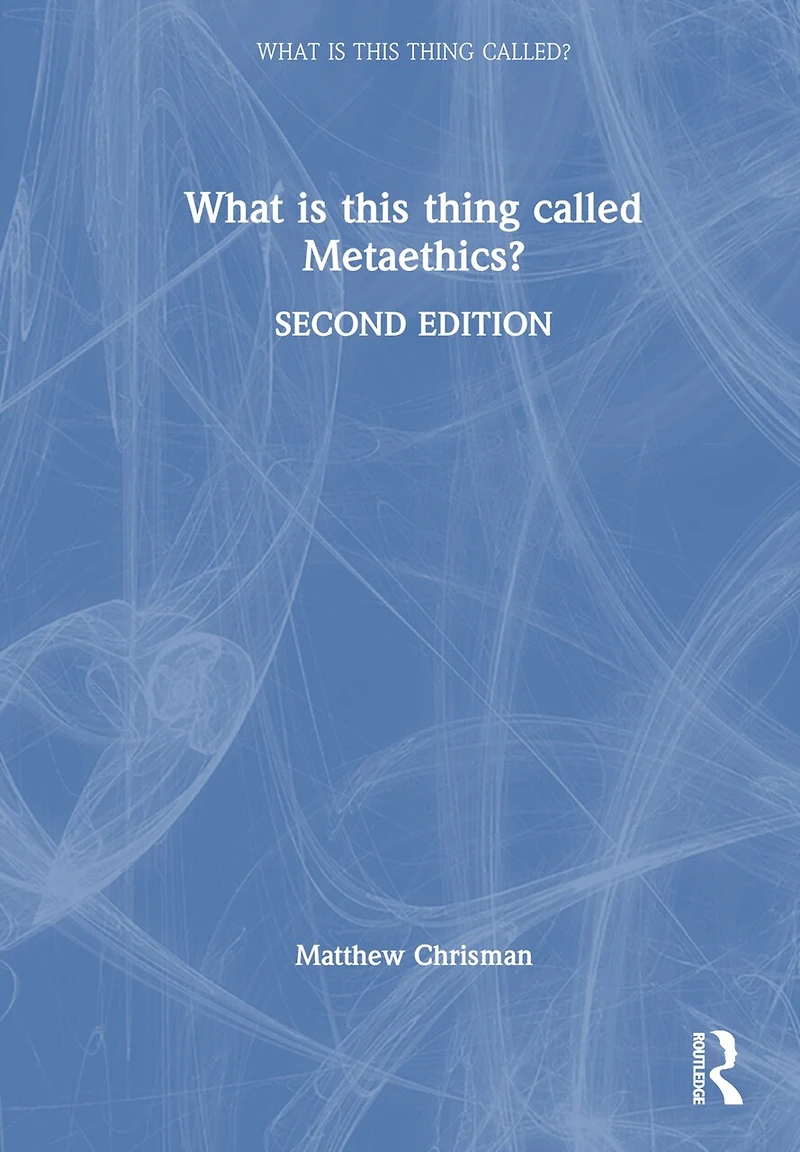
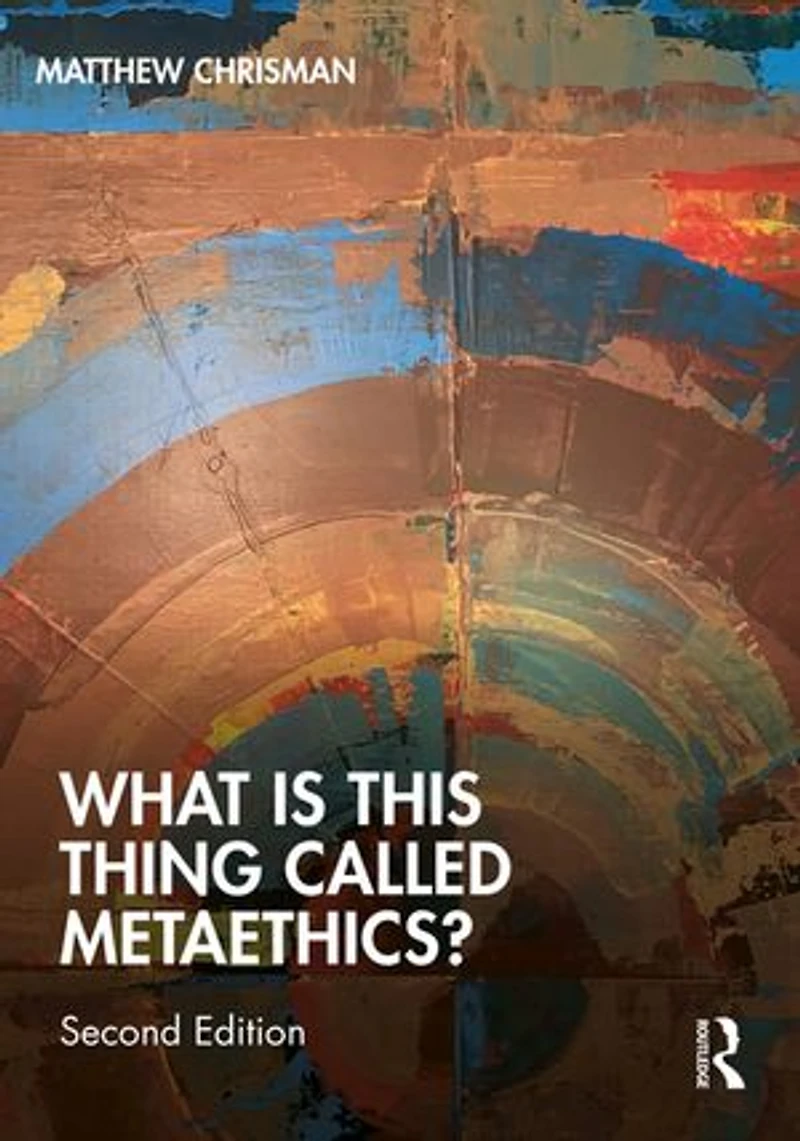
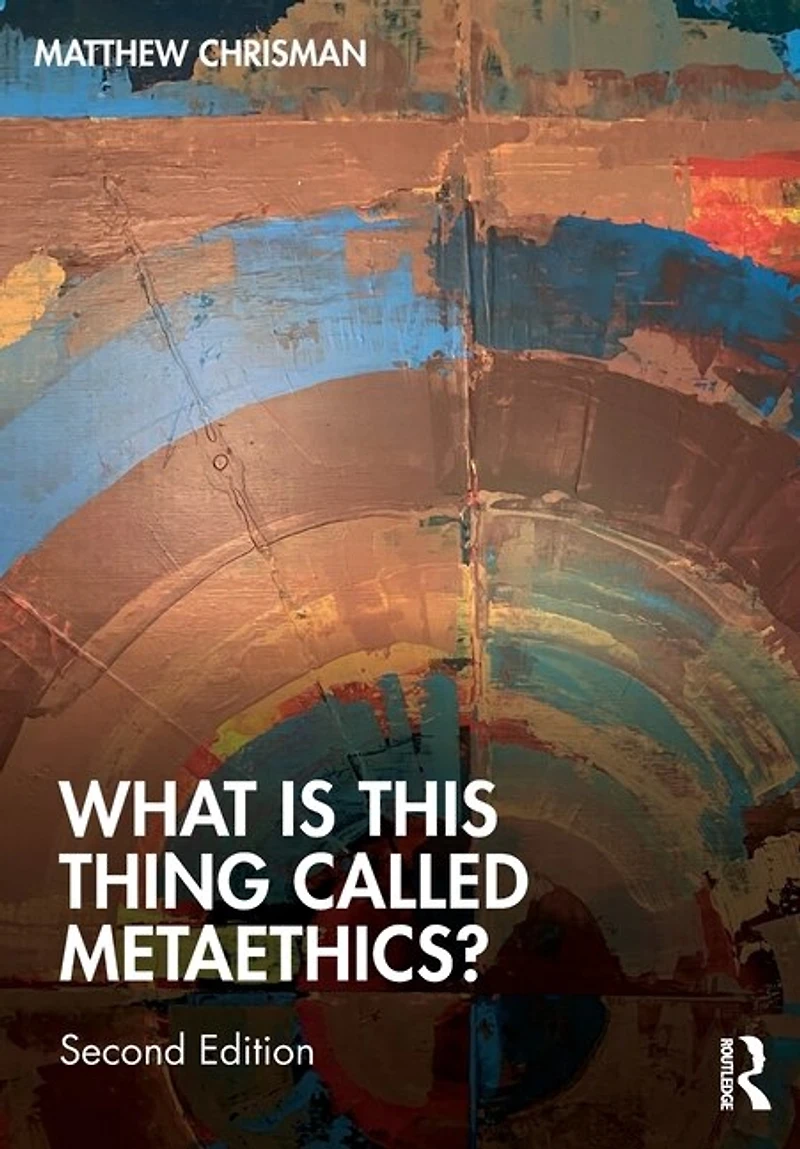
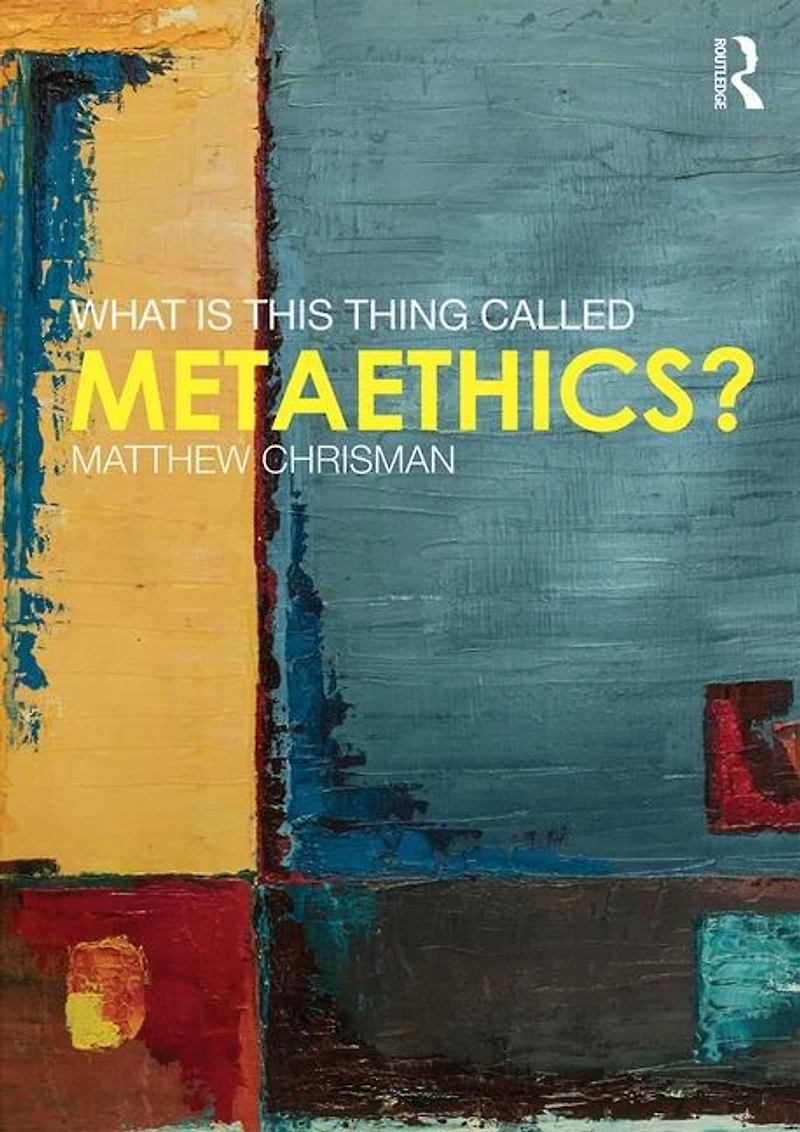
What is this thing called Metaethics? in Ottawa, ON
Current price: $346.50

What is this thing called Metaethics? in Ottawa, ON
Current price: $346.50
Loading Inventory...
Size: Hardcover (2023 A)
*Product information may vary - to confirm product availability, pricing, shipping and return information please contact Coles
What makes something morally right? Where do our ethical standards come from? Are they relative to cultures or timeless and universal? Are there any objective moral facts? What is goodness? If there are moral facts, how do we learn about them? What do we mean when we say someone ought to do something? These are all questions in metaethics, the branch of ethics that investigates the status of morality, the nature of ethical value, the possibility of ethical knowledge, and the meaning of ethical statements. To the uninitiated it can appear abstract and far removed from its two more concrete cousins, ethical theory and applied ethics, yet it is one of the fastest-growing and most exciting areas of ethics. What is this thing called Metaethics? demystifies this important subject and is ideal for students coming to it for the first time. Beginning with a brief overview of metaethics and the development of a "conceptual toolkit," Matthew Chrisman introduces and assesses the following key topics:
ethical reality: including questions about naturalism and non-naturalism, moral facts, and the distinction between realism and antirealism
ethical language: does language represent reality? What mental states are expressed by moral statements?
moral psychology: the theory of motivation and the connection between moral judgement and motivation
moral knowledge: intuitionist and coherentist moral epistemologies, and theories of objectivity and relativism in metaethics
prominent metaethical theories: naturalism, nonnaturalism, error-theory, and expressivism
new directions in metaethics, including non-traditional theories, thick ethical concepts, and extensions to metaepistemology and metanormative theory
The Second Edition has been completely revised and updated throughout. This includes a new thematic organization of the core chapters, many new examples, a newly written final chapter including discussion of thick ethical concepts and all-things-considered normativity, updated references to recent scholarly literature, improved learning resources, an expanded glossary of terms, and much more. Additional features such as chapter summaries, questions of understanding, and suggestions for further reading make What is this thing called Metaethics? an ideal introduction to metaethics.
What makes something morally right? Where do our ethical standards come from? Are they relative to cultures or timeless and universal? Are there any objective moral facts? What is goodness? If there are moral facts, how do we learn about them? What do we mean when we say someone ought to do something? These are all questions in metaethics, the branch of ethics that investigates the status of morality, the nature of ethical value, the possibility of ethical knowledge, and the meaning of ethical statements. To the uninitiated it can appear abstract and far removed from its two more concrete cousins, ethical theory and applied ethics, yet it is one of the fastest-growing and most exciting areas of ethics. What is this thing called Metaethics? demystifies this important subject and is ideal for students coming to it for the first time. Beginning with a brief overview of metaethics and the development of a "conceptual toolkit," Matthew Chrisman introduces and assesses the following key topics:
ethical reality: including questions about naturalism and non-naturalism, moral facts, and the distinction between realism and antirealism
ethical language: does language represent reality? What mental states are expressed by moral statements?
moral psychology: the theory of motivation and the connection between moral judgement and motivation
moral knowledge: intuitionist and coherentist moral epistemologies, and theories of objectivity and relativism in metaethics
prominent metaethical theories: naturalism, nonnaturalism, error-theory, and expressivism
new directions in metaethics, including non-traditional theories, thick ethical concepts, and extensions to metaepistemology and metanormative theory
The Second Edition has been completely revised and updated throughout. This includes a new thematic organization of the core chapters, many new examples, a newly written final chapter including discussion of thick ethical concepts and all-things-considered normativity, updated references to recent scholarly literature, improved learning resources, an expanded glossary of terms, and much more. Additional features such as chapter summaries, questions of understanding, and suggestions for further reading make What is this thing called Metaethics? an ideal introduction to metaethics.
You May Also Like













More About Coles at Bayshore Shopping Centre
Coles is renowned for its outstanding customer service and great selection of books. Along with the vast array of magazines, stationary, audio-books, children's literature, fiction, non-fiction and reference books, you can find accessories to make your reading experience more pleasurable. We can recommend the very best in reading today. We will help you search our titles for exactly what you need, and if we do not have it in stock, we will order it for you.
100 Bayshore Dr, Nepean, ON K2B 8C1, Canada
Find Coles at Bayshore Shopping Centre in Ottawa, ON
Visit Coles at Bayshore Shopping Centre in Ottawa, ON