

Give the Gift of Choice!
Too many options? Treat your friends and family to their favourite stores with a Bayshore Shopping Centre gift card, redeemable at participating retailers throughout the centre. Click below to purchase yours today!Purchase HereHome
What Was the Hipster?: A Sociological Investigation
Coles
Loading Inventory...
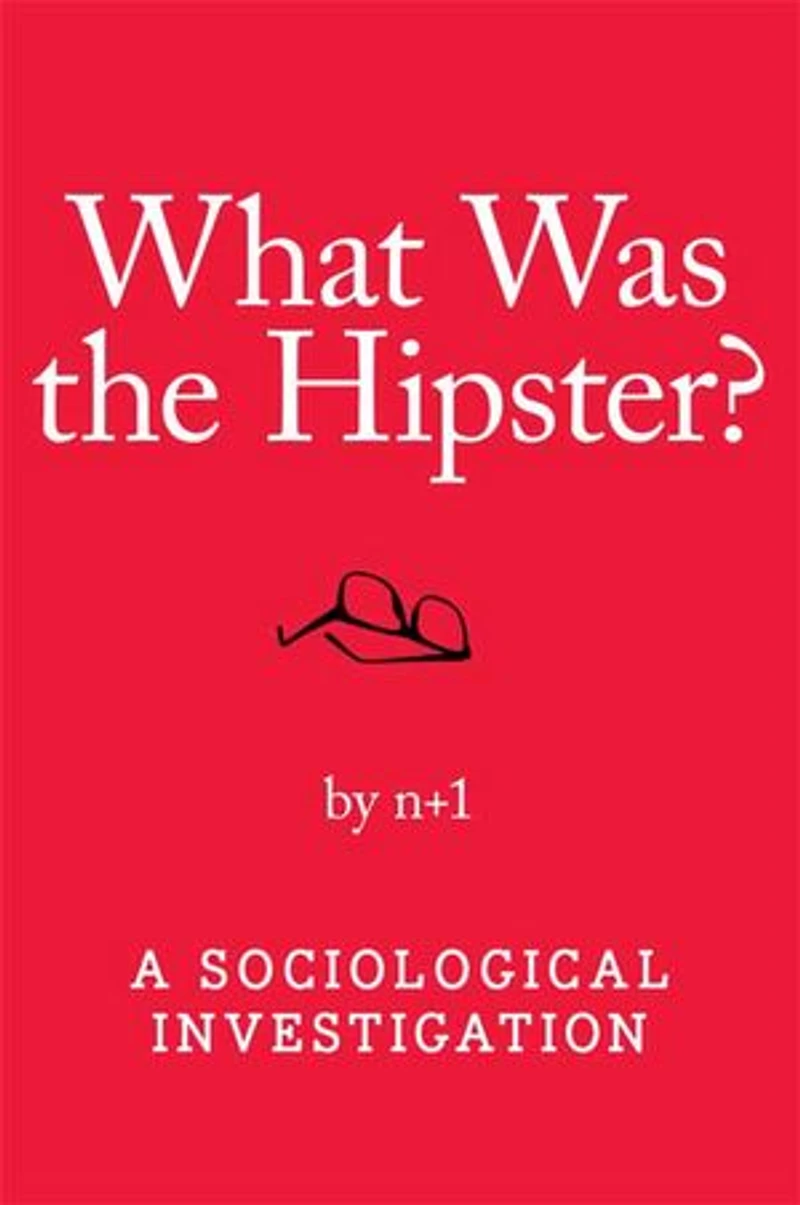
What Was the Hipster?: A Sociological Investigation in Ottawa, ON
Current price: $9.99

What Was the Hipster?: A Sociological Investigation in Ottawa, ON
Current price: $9.99
Loading Inventory...
Size: Kobo eBook
*Product information may vary - to confirm product availability, pricing, shipping and return information please contact Coles
Who was the turn-of-the-century hipster? Who is free enough of the hipster taint to write this history without contempt or nostalgia? Why are we tempted to declare the neo-hipster moment over, when the hipster's "global brand" has just reached its apotheosis? A panel of n+1 writers, including Mark Greif, Christian Lorentzen, and Jace Clayton (aka dj/rupture) invited the public to join an investigation into the rise and fall of the contemporary hipster.
Their debate took place at the New School University in New York City, and was followed by articles, responses, and essays, all printed here for the first time.
"The hipster is that person, overlapping with declassing or disaffiliating groupings—the starving artist, the starving graduate student, the neo-bohemian, the vegan or bicyclist or skatepunk, the would-be blue-collar or post-racial individual—who in fact aligns himself both with rebel subculture and with the dominant class, and opens up a poisonous conduit between the two."
"Isn't hipsterism, like, the best thing that's happened at the end of the Bush years?"
"The truth was that there was no culture worth speaking of, and the people called hipsters just happened to be young, and more often than not, funny looking."
Who was the turn-of-the-century hipster? Who is free enough of the hipster taint to write this history without contempt or nostalgia? Why are we tempted to declare the neo-hipster moment over, when the hipster's "global brand" has just reached its apotheosis? A panel of n+1 writers, including Mark Greif, Christian Lorentzen, and Jace Clayton (aka dj/rupture) invited the public to join an investigation into the rise and fall of the contemporary hipster.
Their debate took place at the New School University in New York City, and was followed by articles, responses, and essays, all printed here for the first time.
"The hipster is that person, overlapping with declassing or disaffiliating groupings—the starving artist, the starving graduate student, the neo-bohemian, the vegan or bicyclist or skatepunk, the would-be blue-collar or post-racial individual—who in fact aligns himself both with rebel subculture and with the dominant class, and opens up a poisonous conduit between the two."
"Isn't hipsterism, like, the best thing that's happened at the end of the Bush years?"
"The truth was that there was no culture worth speaking of, and the people called hipsters just happened to be young, and more often than not, funny looking."
You May Also Like











More About Coles at Bayshore Shopping Centre
Coles is renowned for its outstanding customer service and great selection of books. Along with the vast array of magazines, stationary, audio-books, children's literature, fiction, non-fiction and reference books, you can find accessories to make your reading experience more pleasurable. We can recommend the very best in reading today. We will help you search our titles for exactly what you need, and if we do not have it in stock, we will order it for you.
100 Bayshore Dr, Nepean, ON K2B 8C1, Canada
Find Coles at Bayshore Shopping Centre in Ottawa, ON
Visit Coles at Bayshore Shopping Centre in Ottawa, ON