

Give the Gift of Choice!
Too many options? Treat your friends and family to their favourite stores with a Bayshore Shopping Centre gift card, redeemable at participating retailers throughout the centre. Click below to purchase yours today!Purchase HereHome
What Was the Liberal Order?
Coles
Loading Inventory...
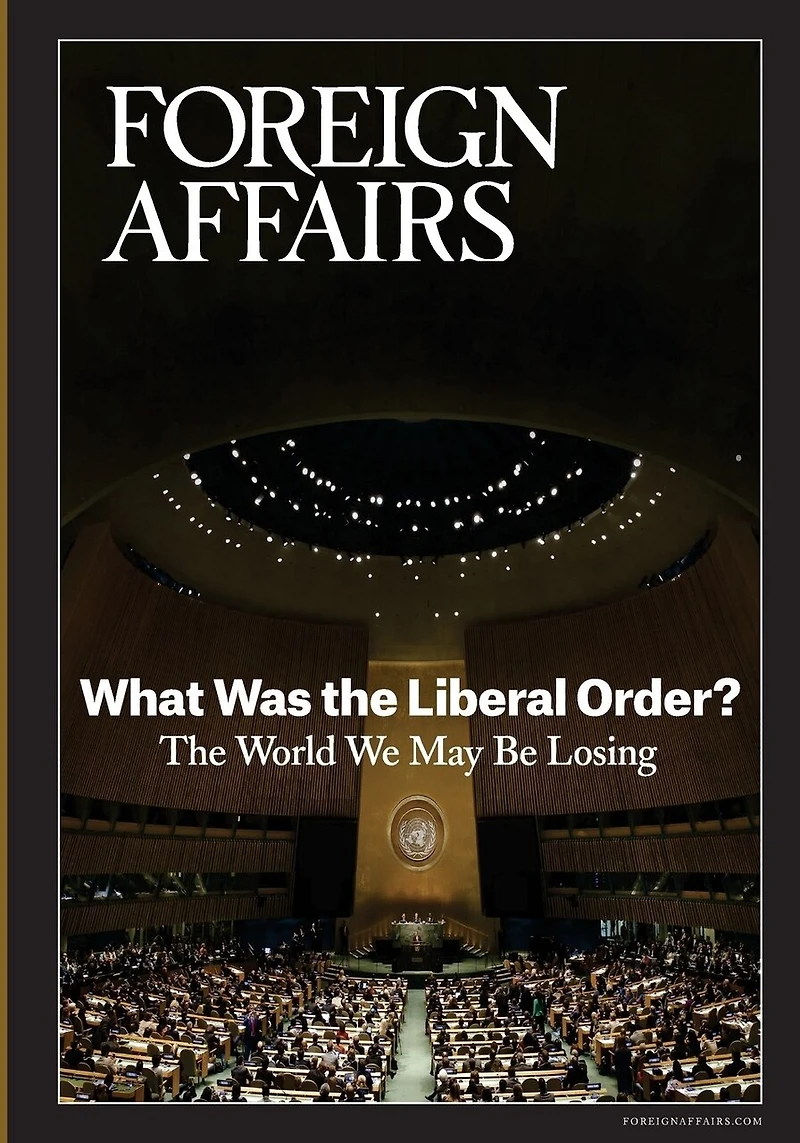
What Was the Liberal Order? in Ottawa, ON
Current price: $25.95

What Was the Liberal Order? in Ottawa, ON
Current price: $25.95
Loading Inventory...
Size: Paperback
*Product information may vary - to confirm product availability, pricing, shipping and return information please contact Coles
In the 1940s, living through yet another cycle of violent global turmoil, policymakers in Washington and other major Western capitals finally decided that enough was enough. They recognized that the horrors of the first half of the twentieth century had emerged because their countries had hunkered down in the face of economic and geopolitical crisis, passing the buck rather than fighting together against their common enemies. So they swore not to repeat their mistakes and designed a postwar order based on mutually beneficial cooperation rather than self-interested competition. They linked their countries to one another in international institutions, trade agreements, and military alliances, betting that they would be stronger together. And they were correct: backed by extraordinary and enduring American power, the system they created has flourished and endured, underwriting seven decades of progress, great-power peace, and economic growth. Today, however, for the first time since then, the United States has a leader who does not appear to understand what the order is or why it is a good thing, seeing international politics and economics in zero-sum terms instead. This has caused consternation in many quarters, because most responsible public officials in most countries in the order- including the United States-fear that if the White House tries to turn its more extreme ideas into policy, the entire system on which global security, stability, and prosperity is based would collapse. Nobody knows what's going to happen next. But to set the stage for the ensuing drama, Foreign Affairs offers this biography of the liberal order's life to date, so readers can understand the stakes.
In the 1940s, living through yet another cycle of violent global turmoil, policymakers in Washington and other major Western capitals finally decided that enough was enough. They recognized that the horrors of the first half of the twentieth century had emerged because their countries had hunkered down in the face of economic and geopolitical crisis, passing the buck rather than fighting together against their common enemies. So they swore not to repeat their mistakes and designed a postwar order based on mutually beneficial cooperation rather than self-interested competition. They linked their countries to one another in international institutions, trade agreements, and military alliances, betting that they would be stronger together. And they were correct: backed by extraordinary and enduring American power, the system they created has flourished and endured, underwriting seven decades of progress, great-power peace, and economic growth. Today, however, for the first time since then, the United States has a leader who does not appear to understand what the order is or why it is a good thing, seeing international politics and economics in zero-sum terms instead. This has caused consternation in many quarters, because most responsible public officials in most countries in the order- including the United States-fear that if the White House tries to turn its more extreme ideas into policy, the entire system on which global security, stability, and prosperity is based would collapse. Nobody knows what's going to happen next. But to set the stage for the ensuing drama, Foreign Affairs offers this biography of the liberal order's life to date, so readers can understand the stakes.
You May Also Like









More About Coles at Bayshore Shopping Centre
Coles is renowned for its outstanding customer service and great selection of books. Along with the vast array of magazines, stationary, audio-books, children's literature, fiction, non-fiction and reference books, you can find accessories to make your reading experience more pleasurable. We can recommend the very best in reading today. We will help you search our titles for exactly what you need, and if we do not have it in stock, we will order it for you.
100 Bayshore Dr, Nepean, ON K2B 8C1, Canada
Find Coles at Bayshore Shopping Centre in Ottawa, ON
Visit Coles at Bayshore Shopping Centre in Ottawa, ON