

Give the Gift of Choice!
Too many options? Treat your friends and family to their favourite stores with a Bayshore Shopping Centre gift card, redeemable at participating retailers throughout the centre. Click below to purchase yours today!Purchase HereHome
When Boston Rode the EL
Coles
Loading Inventory...
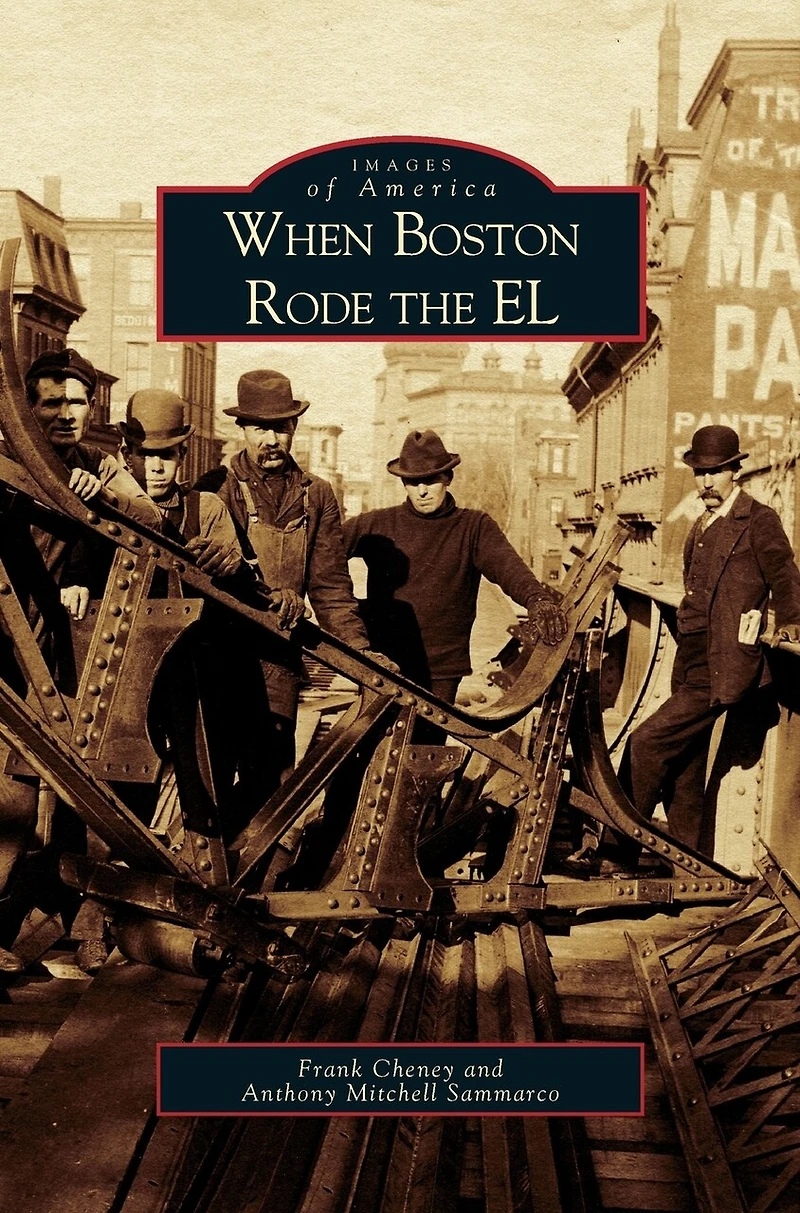
When Boston Rode the EL in Ottawa, ON
Current price: $36.99

When Boston Rode the EL in Ottawa, ON
Current price: $36.99
Loading Inventory...
Size: Hardcover
*Product information may vary - to confirm product availability, pricing, shipping and return information please contact Coles
The Boston Elevated Railway broke ground in 1899 for a new transit service that opened in 1901, providing a seven-mile elevated railway that connected Dudley Street Station in Roxbury and Sullivan Square Station in Charlestown, two huge multilevel terminals. When the EL, as it was popularly known, opened for service, it provided an unencumbered route high above the surging traffic of Boston, until it went underground through the city. The new trains of the EL were elegant coaches of African
mahogany, bronze hardware, plush upholstered seats, plate glass windows, and exteriors of aurora red with silver gilt striping and slate grey roofs. They stopped at ten equally distinguished train stations, designed by the noted architect Alexander Wadsworth
Longfellow. All of this elegance, let alone convenience, could be had for the price of a five-cent ticket. The popularity of the EL was instantaneous. The railway continued to provide transportation service high above Boston's streets until 1987, when it was unfortunately ended after 86 years of elevated operation. Today, the squealing wheels of the Elevated trains, the rocking coaches, the fascinating views, and the fanciful copper-roofed stations of the line are a missing part of the character of Boston, when one could ride high above the city for a nickel.
The Boston Elevated Railway broke ground in 1899 for a new transit service that opened in 1901, providing a seven-mile elevated railway that connected Dudley Street Station in Roxbury and Sullivan Square Station in Charlestown, two huge multilevel terminals. When the EL, as it was popularly known, opened for service, it provided an unencumbered route high above the surging traffic of Boston, until it went underground through the city. The new trains of the EL were elegant coaches of African
mahogany, bronze hardware, plush upholstered seats, plate glass windows, and exteriors of aurora red with silver gilt striping and slate grey roofs. They stopped at ten equally distinguished train stations, designed by the noted architect Alexander Wadsworth
Longfellow. All of this elegance, let alone convenience, could be had for the price of a five-cent ticket. The popularity of the EL was instantaneous. The railway continued to provide transportation service high above Boston's streets until 1987, when it was unfortunately ended after 86 years of elevated operation. Today, the squealing wheels of the Elevated trains, the rocking coaches, the fascinating views, and the fanciful copper-roofed stations of the line are a missing part of the character of Boston, when one could ride high above the city for a nickel.
You May Also Like














More About Coles at Bayshore Shopping Centre
Coles is renowned for its outstanding customer service and great selection of books. Along with the vast array of magazines, stationary, audio-books, children's literature, fiction, non-fiction and reference books, you can find accessories to make your reading experience more pleasurable. We can recommend the very best in reading today. We will help you search our titles for exactly what you need, and if we do not have it in stock, we will order it for you.
100 Bayshore Dr, Nepean, ON K2B 8C1, Canada
Find Coles at Bayshore Shopping Centre in Ottawa, ON
Visit Coles at Bayshore Shopping Centre in Ottawa, ON