

Give the Gift of Choice!
Too many options? Treat your friends and family to their favourite stores with a Bayshore Shopping Centre gift card, redeemable at participating retailers throughout the centre. Click below to purchase yours today!Purchase HereHome
When Nehru Looked East: Origins Of India-us Suspicion And India-china Rivalry
Coles
Loading Inventory...
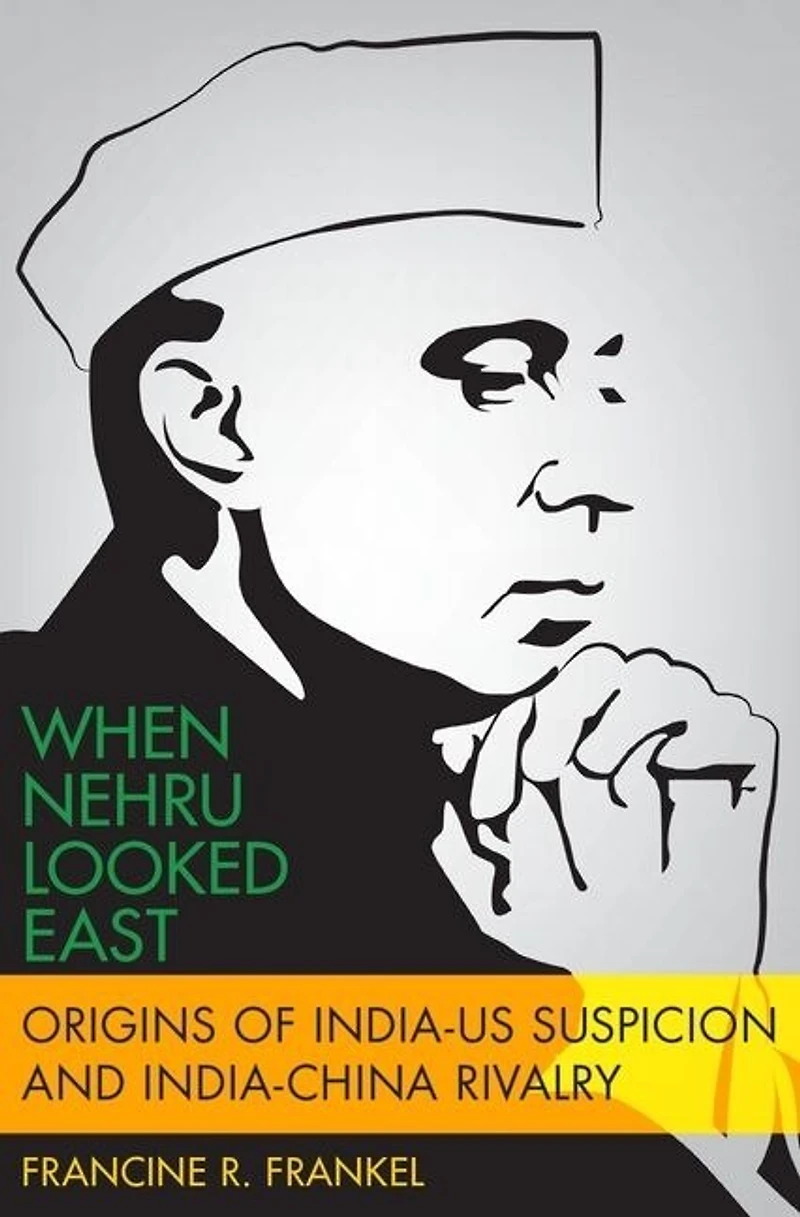
When Nehru Looked East: Origins Of India-us Suspicion And India-china Rivalry in Ottawa, ON
Current price: $54.95

When Nehru Looked East: Origins Of India-us Suspicion And India-china Rivalry in Ottawa, ON
Current price: $54.95
Loading Inventory...
Size: Hardcover
*Product information may vary - to confirm product availability, pricing, shipping and return information please contact Coles
Jawaharlal Nehru, India's first Prime Minister and Minister of External Affairs from 1947 to 1964, set the framework of foreign policy which has remained India's reference point until the present. One of the most significant leaders of the twentieth century, Nehru came to power in the early years of the Cold War, determined to assert independent India's influence and interests in Asia and beyond. Drawing on the Nehru Papers, Francine Frankel's When Nehru Looked East reinterprets the doctrine of non-alignment with which Nehru is most closely identified to reveal its strategic purpose.
Analyzing India-US and India-China relations during this period, Frankel explains how these parties came to distrust each other. From the outset, Nehru's vision of India's destiny as a great power collided with that of the US as leader and protector of the free world. He considered the US a rival in South and Southeast Asia and the Middle East and carried out an active diplomacy to dissuade newly independent nations from joining US-led anti-communist mutual security alliances and instead follow India's example of non-alignment. He did not see a threat from the Soviet Union and believed, despite the dispute with China over the northern border, that India's approach would bring India and China together as advocates of Asianism to counter American penetration in the region. This historic miscalculation, manifested in the 1962 China-India War, overthrew the pillars of Nehru's foreign policy.
Frankel provides the most authoritative account yet of the origins of India-US suspicions and India-China rivalries. Outlasting the Cold War, Nehru's worldview lived on in the mindset of successor generations, making it difficult for the US and India to form a strategic partnership and establish a natural balance in Asia.
Jawaharlal Nehru, India's first Prime Minister and Minister of External Affairs from 1947 to 1964, set the framework of foreign policy which has remained India's reference point until the present. One of the most significant leaders of the twentieth century, Nehru came to power in the early years of the Cold War, determined to assert independent India's influence and interests in Asia and beyond. Drawing on the Nehru Papers, Francine Frankel's When Nehru Looked East reinterprets the doctrine of non-alignment with which Nehru is most closely identified to reveal its strategic purpose.
Analyzing India-US and India-China relations during this period, Frankel explains how these parties came to distrust each other. From the outset, Nehru's vision of India's destiny as a great power collided with that of the US as leader and protector of the free world. He considered the US a rival in South and Southeast Asia and the Middle East and carried out an active diplomacy to dissuade newly independent nations from joining US-led anti-communist mutual security alliances and instead follow India's example of non-alignment. He did not see a threat from the Soviet Union and believed, despite the dispute with China over the northern border, that India's approach would bring India and China together as advocates of Asianism to counter American penetration in the region. This historic miscalculation, manifested in the 1962 China-India War, overthrew the pillars of Nehru's foreign policy.
Frankel provides the most authoritative account yet of the origins of India-US suspicions and India-China rivalries. Outlasting the Cold War, Nehru's worldview lived on in the mindset of successor generations, making it difficult for the US and India to form a strategic partnership and establish a natural balance in Asia.
You May Also Like







More About Coles at Bayshore Shopping Centre
Coles is renowned for its outstanding customer service and great selection of books. Along with the vast array of magazines, stationary, audio-books, children's literature, fiction, non-fiction and reference books, you can find accessories to make your reading experience more pleasurable. We can recommend the very best in reading today. We will help you search our titles for exactly what you need, and if we do not have it in stock, we will order it for you.
100 Bayshore Dr, Nepean, ON K2B 8C1, Canada
Find Coles at Bayshore Shopping Centre in Ottawa, ON
Visit Coles at Bayshore Shopping Centre in Ottawa, ON