

Give the Gift of Choice!
Too many options? Treat your friends and family to their favourite stores with a Bayshore Shopping Centre gift card, redeemable at participating retailers throughout the centre. Click below to purchase yours today!Purchase HereHome
When We Are Kin: The History and Future of Afro-Indigenous Solidarity
Coles
Loading Inventory...
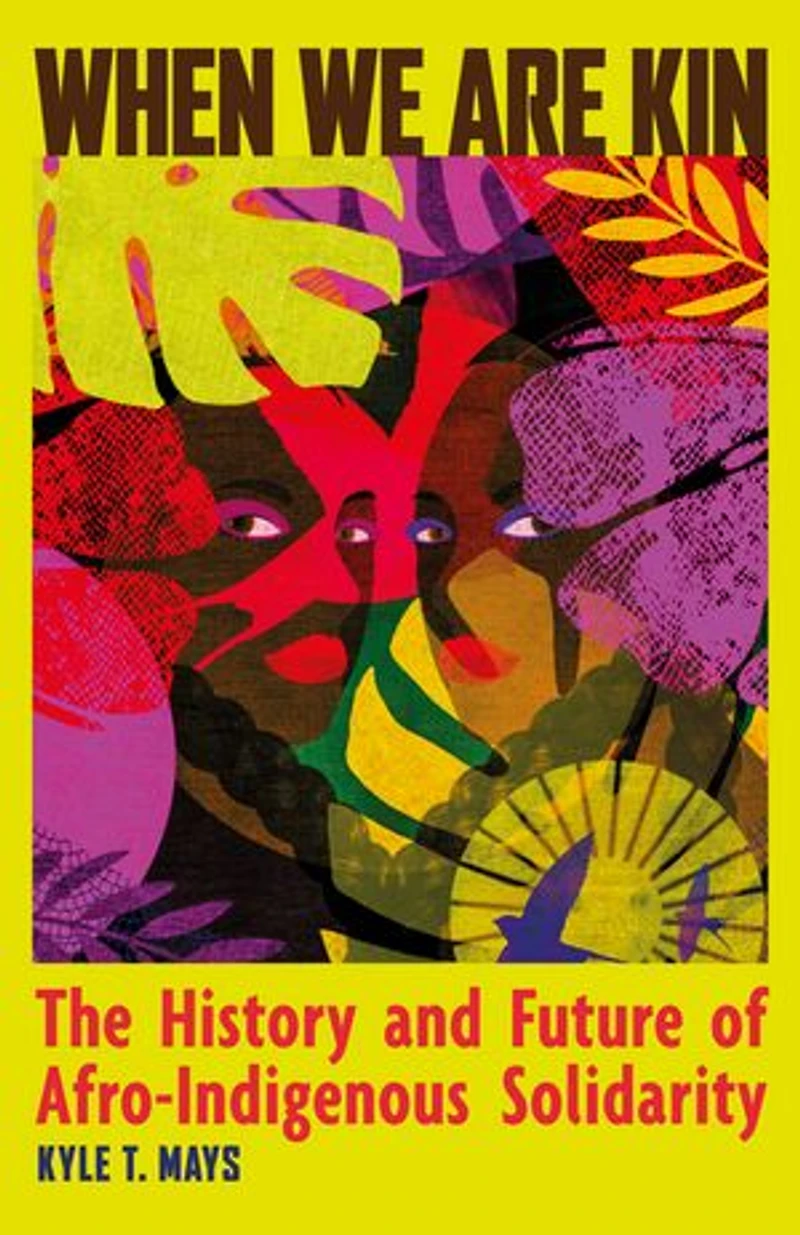
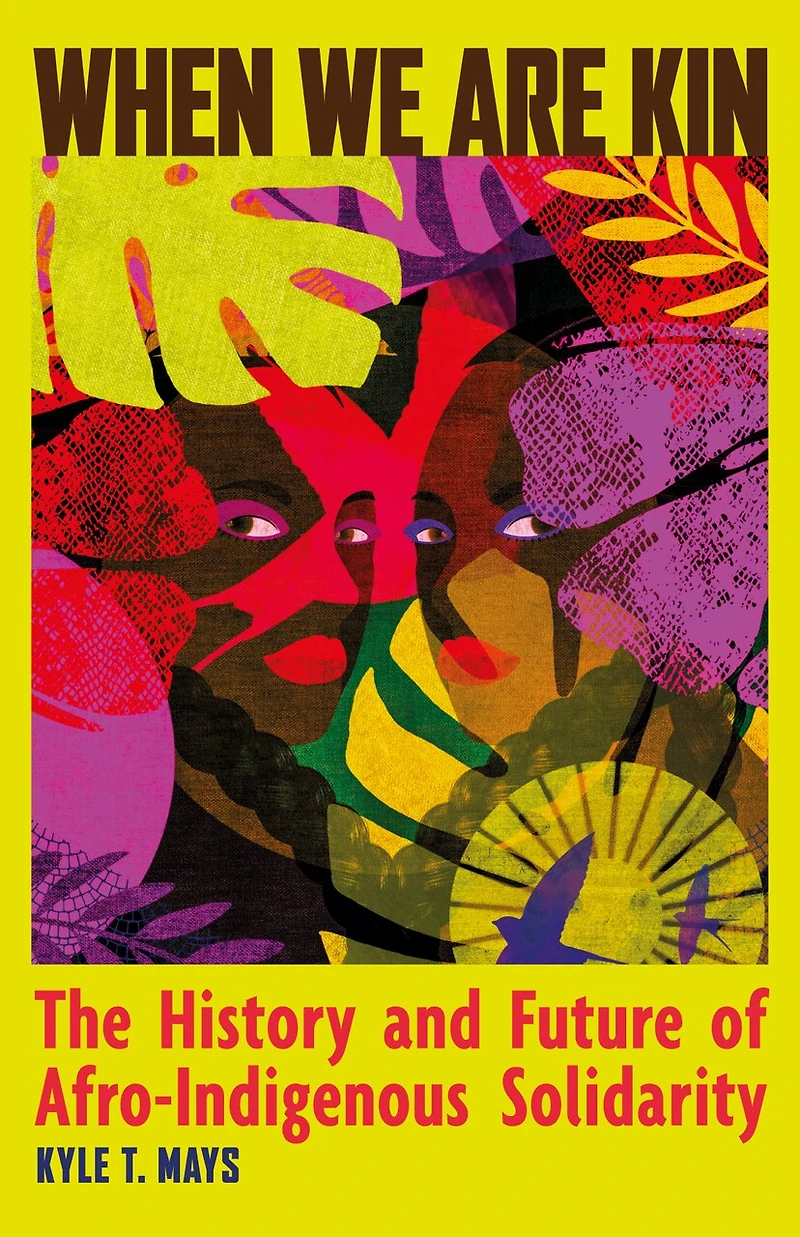
When We Are Kin: The History and Future of Afro-Indigenous Solidarity in Ottawa, ON
Current price: $11.99
Original price: $13.99

When We Are Kin: The History and Future of Afro-Indigenous Solidarity in Ottawa, ON
Current price: $11.99
Original price: $13.99
Loading Inventory...
Size: Kobo eBook
*Product information may vary - to confirm product availability, pricing, shipping and return information please contact Coles
A bold vision for a Black and Indigenous future rooted in real solidarity, a future that exists beyond the confines of the liberal imagination
Current advocates of reparations for slavery and land back often fail to scrutinize racial capitalism and settler colonialism, instead accepting that their destinies will forever be tied to US empire. But as scholar Kyle T. Mays insists in When We Are Kin , we can and should demand a kind of repair that goes beyond a white supremacist idea of what justice can be.
In a series of short essays, Mays traces the history of alliances between Black and Indigenous movements; outlines the limitations of certain demands for reparations, including cash payments, that do not fundamentally critique racial-settler capitalism; and interrogates contemporary land back initiatives that fail to fully address decolonization. Along the way, he asks, What does solidarity look like between Black and Indigenous peoples in the United States? Can we find ways to co-belong and co-resist on Turtle Island?
Drawing on the Anishinaabe philosophy of mino-bimaadiziwin (the good life), Mays argues that we can resist as kin only when we center the land in building our collective futures.
A bold vision for a Black and Indigenous future rooted in real solidarity, a future that exists beyond the confines of the liberal imagination
Current advocates of reparations for slavery and land back often fail to scrutinize racial capitalism and settler colonialism, instead accepting that their destinies will forever be tied to US empire. But as scholar Kyle T. Mays insists in When We Are Kin , we can and should demand a kind of repair that goes beyond a white supremacist idea of what justice can be.
In a series of short essays, Mays traces the history of alliances between Black and Indigenous movements; outlines the limitations of certain demands for reparations, including cash payments, that do not fundamentally critique racial-settler capitalism; and interrogates contemporary land back initiatives that fail to fully address decolonization. Along the way, he asks, What does solidarity look like between Black and Indigenous peoples in the United States? Can we find ways to co-belong and co-resist on Turtle Island?
Drawing on the Anishinaabe philosophy of mino-bimaadiziwin (the good life), Mays argues that we can resist as kin only when we center the land in building our collective futures.
You May Also Like









More About Coles at Bayshore Shopping Centre
Coles is renowned for its outstanding customer service and great selection of books. Along with the vast array of magazines, stationary, audio-books, children's literature, fiction, non-fiction and reference books, you can find accessories to make your reading experience more pleasurable. We can recommend the very best in reading today. We will help you search our titles for exactly what you need, and if we do not have it in stock, we will order it for you.
100 Bayshore Dr, Nepean, ON K2B 8C1, Canada
Find Coles at Bayshore Shopping Centre in Ottawa, ON
Visit Coles at Bayshore Shopping Centre in Ottawa, ON