

Give the Gift of Choice!
Too many options? Treat your friends and family to their favourite stores with a Bayshore Shopping Centre gift card, redeemable at participating retailers throughout the centre. Click below to purchase yours today!Purchase HereHome
Where the Truth Lies: Pseudonymity, Complicity, and Critique in Fear and Trembling
Coles
Loading Inventory...
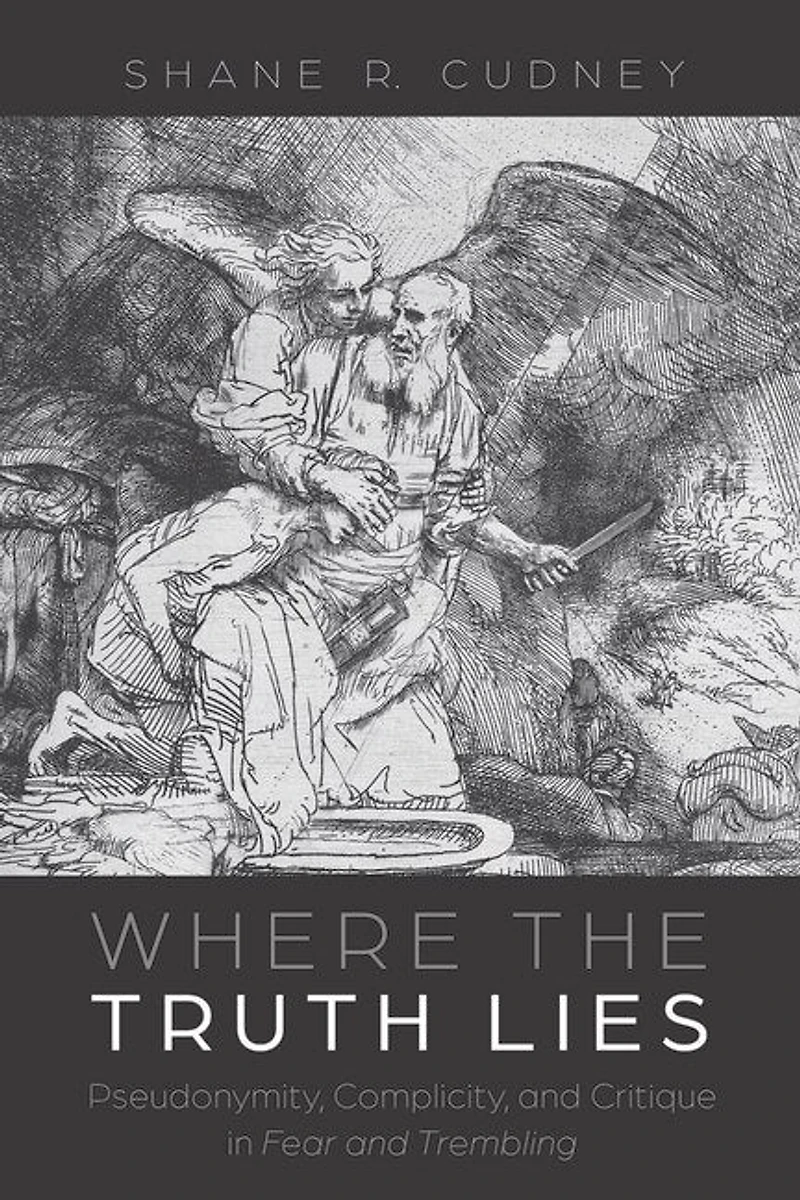
Where the Truth Lies: Pseudonymity, Complicity, and Critique in Fear and Trembling in Ottawa, ON
Current price: $61.00

Where the Truth Lies: Pseudonymity, Complicity, and Critique in Fear and Trembling in Ottawa, ON
Current price: $61.00
Loading Inventory...
Size: Hardcover
*Product information may vary - to confirm product availability, pricing, shipping and return information please contact Coles
Johannes de Silentio, the pseudonymous author of Fear and Trembling, concludes that faith is "absurd" (irrational), and therefore lies beyond the scope of reason. But if we ascribe authorship ultimately to Kierkegaard, as is common practice, we must conclude that he himself is an irrationalist. Given the myriad of competing voices throughout Kierkegaard's writings, this seems highly questionable at best.If, however, we take the pseudonymous author strictly at his authorial word, it changes the shape and dynamic of the text inviting us to read it, instead, as a "thought experiment." In this way, the text demonstrates both the absurdity and sin of reason in its bid to fully grasp the mystery of faith on its own rational terms.
Johannes de Silentio, the pseudonymous author of Fear and Trembling, concludes that faith is "absurd" (irrational), and therefore lies beyond the scope of reason. But if we ascribe authorship ultimately to Kierkegaard, as is common practice, we must conclude that he himself is an irrationalist. Given the myriad of competing voices throughout Kierkegaard's writings, this seems highly questionable at best.If, however, we take the pseudonymous author strictly at his authorial word, it changes the shape and dynamic of the text inviting us to read it, instead, as a "thought experiment." In this way, the text demonstrates both the absurdity and sin of reason in its bid to fully grasp the mystery of faith on its own rational terms.
You May Also Like









More About Coles at Bayshore Shopping Centre
Coles is renowned for its outstanding customer service and great selection of books. Along with the vast array of magazines, stationary, audio-books, children's literature, fiction, non-fiction and reference books, you can find accessories to make your reading experience more pleasurable. We can recommend the very best in reading today. We will help you search our titles for exactly what you need, and if we do not have it in stock, we will order it for you.
100 Bayshore Dr, Nepean, ON K2B 8C1, Canada
Find Coles at Bayshore Shopping Centre in Ottawa, ON
Visit Coles at Bayshore Shopping Centre in Ottawa, ON