

Give the Gift of Choice!
Too many options? Treat your friends and family to their favourite stores with a Bayshore Shopping Centre gift card, redeemable at participating retailers throughout the centre. Click below to purchase yours today!Purchase HereHome
WHO WERE THE SHUDRAS?
Coles
Loading Inventory...
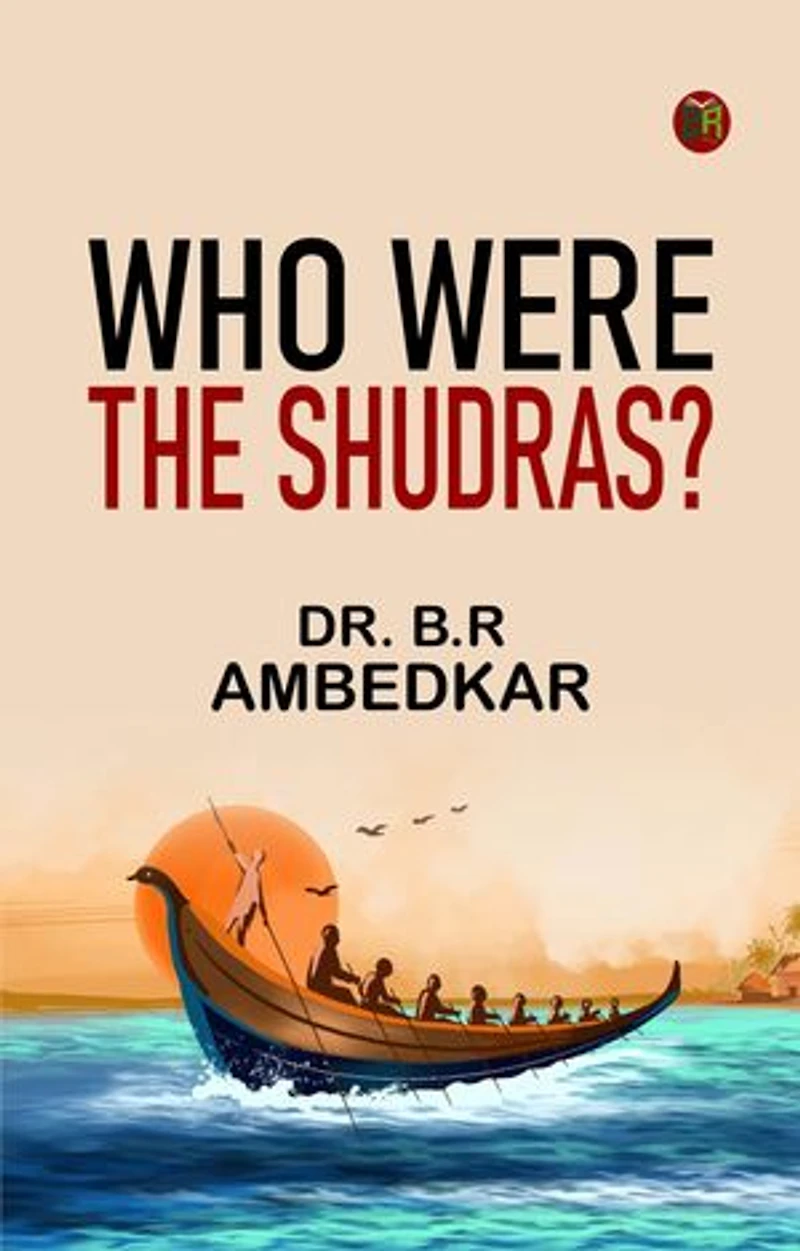
WHO WERE THE SHUDRAS? in Ottawa, ON
Current price: $1.32

WHO WERE THE SHUDRAS? in Ottawa, ON
Current price: $1.32
Loading Inventory...
Size: Kobo eBook
*Product information may vary - to confirm product availability, pricing, shipping and return information please contact Coles
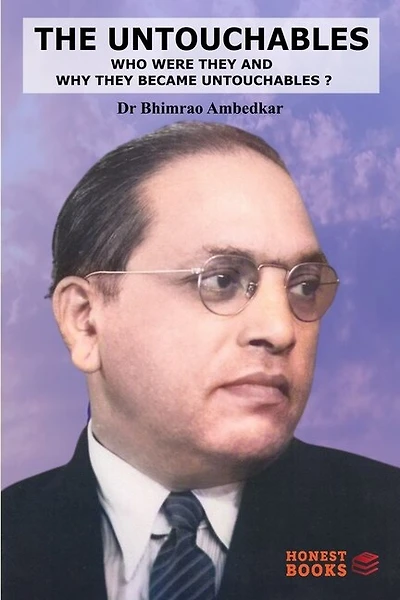
Ambedkar begins by questioning the traditional Brahmanical interpretation of the caste system and examines ancient Hindu texts such as the Vedas, Smritis, and epics like the Mahabharata. He argues that the Shudras were not originally a servile class but belonged to the Kshatriya (warrior) varna. Through historical analysis, he posits that the Shudras fell from their status due to a power struggle between the Shudra-Kshatriya kings and the Brahmins, which led to their systematic degradation and exclusion.The book explores how the Shudras came to be classified as the lowest varna, with Ambedkar attributing this to Brahmanical hegemony. He critiques the imposition of the varna system as a means of social control and highlights how the Shudras were deliberately stripped of their rights, such as access to education and religious practices, through oppressive laws codified in texts like the Manusmriti. This institutionalized their subjugation and perpetuated their marginalization.Ambedkar concludes by emphasizing the need for social justice and reform to address the inequalities faced by the Shudras and other marginalized groups. He rejects the caste system as inherently unjust and calls for its complete dismantling. The book is a cornerstone of Ambedkar's critique of Hindu orthodoxy and his broader campaign for equality and human rights in India.
Ambedkar begins by questioning the traditional Brahmanical interpretation of the caste system and examines ancient Hindu texts such as the Vedas, Smritis, and epics like the Mahabharata. He argues that the Shudras were not originally a servile class but belonged to the Kshatriya (warrior) varna. Through historical analysis, he posits that the Shudras fell from their status due to a power struggle between the Shudra-Kshatriya kings and the Brahmins, which led to their systematic degradation and exclusion.The book explores how the Shudras came to be classified as the lowest varna, with Ambedkar attributing this to Brahmanical hegemony. He critiques the imposition of the varna system as a means of social control and highlights how the Shudras were deliberately stripped of their rights, such as access to education and religious practices, through oppressive laws codified in texts like the Manusmriti. This institutionalized their subjugation and perpetuated their marginalization.Ambedkar concludes by emphasizing the need for social justice and reform to address the inequalities faced by the Shudras and other marginalized groups. He rejects the caste system as inherently unjust and calls for its complete dismantling. The book is a cornerstone of Ambedkar's critique of Hindu orthodoxy and his broader campaign for equality and human rights in India.









More About Coles at Bayshore Shopping Centre
Coles is renowned for its outstanding customer service and great selection of books. Along with the vast array of magazines, stationary, audio-books, children's literature, fiction, non-fiction and reference books, you can find accessories to make your reading experience more pleasurable. We can recommend the very best in reading today. We will help you search our titles for exactly what you need, and if we do not have it in stock, we will order it for you.
100 Bayshore Dr, Nepean, ON K2B 8C1, Canada
Find Coles at Bayshore Shopping Centre in Ottawa, ON
Visit Coles at Bayshore Shopping Centre in Ottawa, ON