

Give the Gift of Choice!
Too many options? Treat your friends and family to their favourite stores with a Bayshore Shopping Centre gift card, redeemable at participating retailers throughout the centre. Click below to purchase yours today!Purchase HereHome
Wholesale Couture: London and Beyond, 1930-70
Coles
Loading Inventory...
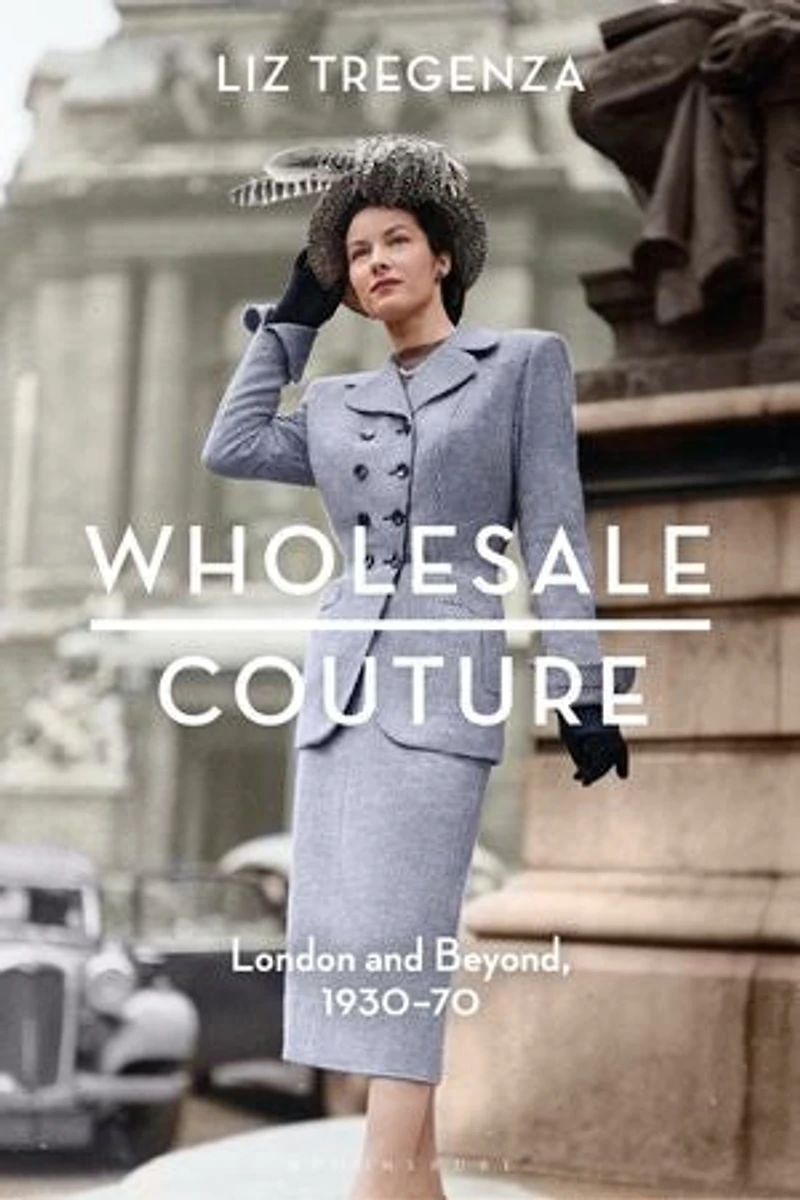
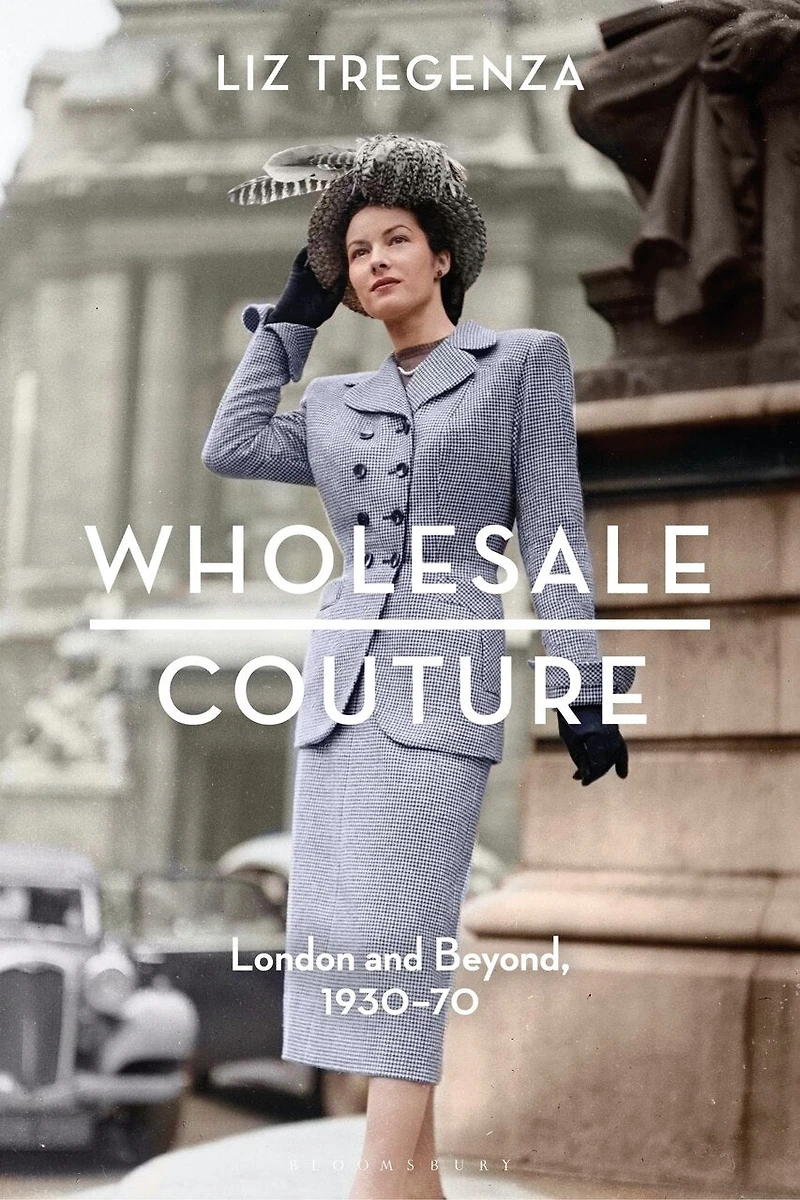
Wholesale Couture: London and Beyond, 1930-70 in Ottawa, ON
Current price: $42.19
Original price: $52.65

Wholesale Couture: London and Beyond, 1930-70 in Ottawa, ON
Current price: $42.19
Original price: $52.65
Loading Inventory...
Size: Kobo eBook
*Product information may vary - to confirm product availability, pricing, shipping and return information please contact Coles
Offering a new perspective on British fashion history, Wholesale Couture demonstrates that these couturiers were vital in cementing London's status as a ready-to-wear fashion centre. The first book to consider the subject, Wholesale Couture: London and Beyond, 1930-70 seeks to revise the notion that wholesale couturiers were simply copyists and demonstrate the complexities of their design processes and business strategies. This term has fallen out of usage; however, it was used to describe the pinnacle of the British ready-to-wear fashion industry between the 1930s and 1960s. Companies within this sector have typically been recognised as creators of high-quality copies of French haute couture, using ready-to-wear techniques. Liz Tregenza traces wholesale couture garments from concept to usage, considering design, manufacture, branding, promotion, retail and export. She looks beyond the garments produced and investigates the people behind these firms, consequently demonstrating the significant role that largely Jewish immigrants played in the development and success of this industry. The book also considers the wider social and economic factors that affected manufacturers and consumers; the effect of austerity, rationing and the Utility scheme, and the pressing need for wholesale couturiers to export their products internationally. It demonstrates that 1946 was a critical year for re-building and re-imagining the London fashion industry and that wholesale couturiers were at the centre of these developments. Furthermore, it reveals the impact of changing consumer purchasing power, including the burgeoning youth market, for fashion manufacturers.
Offering a new perspective on British fashion history, Wholesale Couture demonstrates that these couturiers were vital in cementing London's status as a ready-to-wear fashion centre. The first book to consider the subject, Wholesale Couture: London and Beyond, 1930-70 seeks to revise the notion that wholesale couturiers were simply copyists and demonstrate the complexities of their design processes and business strategies. This term has fallen out of usage; however, it was used to describe the pinnacle of the British ready-to-wear fashion industry between the 1930s and 1960s. Companies within this sector have typically been recognised as creators of high-quality copies of French haute couture, using ready-to-wear techniques. Liz Tregenza traces wholesale couture garments from concept to usage, considering design, manufacture, branding, promotion, retail and export. She looks beyond the garments produced and investigates the people behind these firms, consequently demonstrating the significant role that largely Jewish immigrants played in the development and success of this industry. The book also considers the wider social and economic factors that affected manufacturers and consumers; the effect of austerity, rationing and the Utility scheme, and the pressing need for wholesale couturiers to export their products internationally. It demonstrates that 1946 was a critical year for re-building and re-imagining the London fashion industry and that wholesale couturiers were at the centre of these developments. Furthermore, it reveals the impact of changing consumer purchasing power, including the burgeoning youth market, for fashion manufacturers.
You May Also Like















More About Coles at Bayshore Shopping Centre
Coles is renowned for its outstanding customer service and great selection of books. Along with the vast array of magazines, stationary, audio-books, children's literature, fiction, non-fiction and reference books, you can find accessories to make your reading experience more pleasurable. We can recommend the very best in reading today. We will help you search our titles for exactly what you need, and if we do not have it in stock, we will order it for you.
100 Bayshore Dr, Nepean, ON K2B 8C1, Canada
Find Coles at Bayshore Shopping Centre in Ottawa, ON
Visit Coles at Bayshore Shopping Centre in Ottawa, ON