

Give the Gift of Choice!
Too many options? Treat your friends and family to their favourite stores with a Bayshore Shopping Centre gift card, redeemable at participating retailers throughout the centre. Click below to purchase yours today!Purchase HereHome
Why Do I Do That?: Psychological Defense Mechanisms and the Hidden Ways They Shape Our Lives
Coles
Loading Inventory...
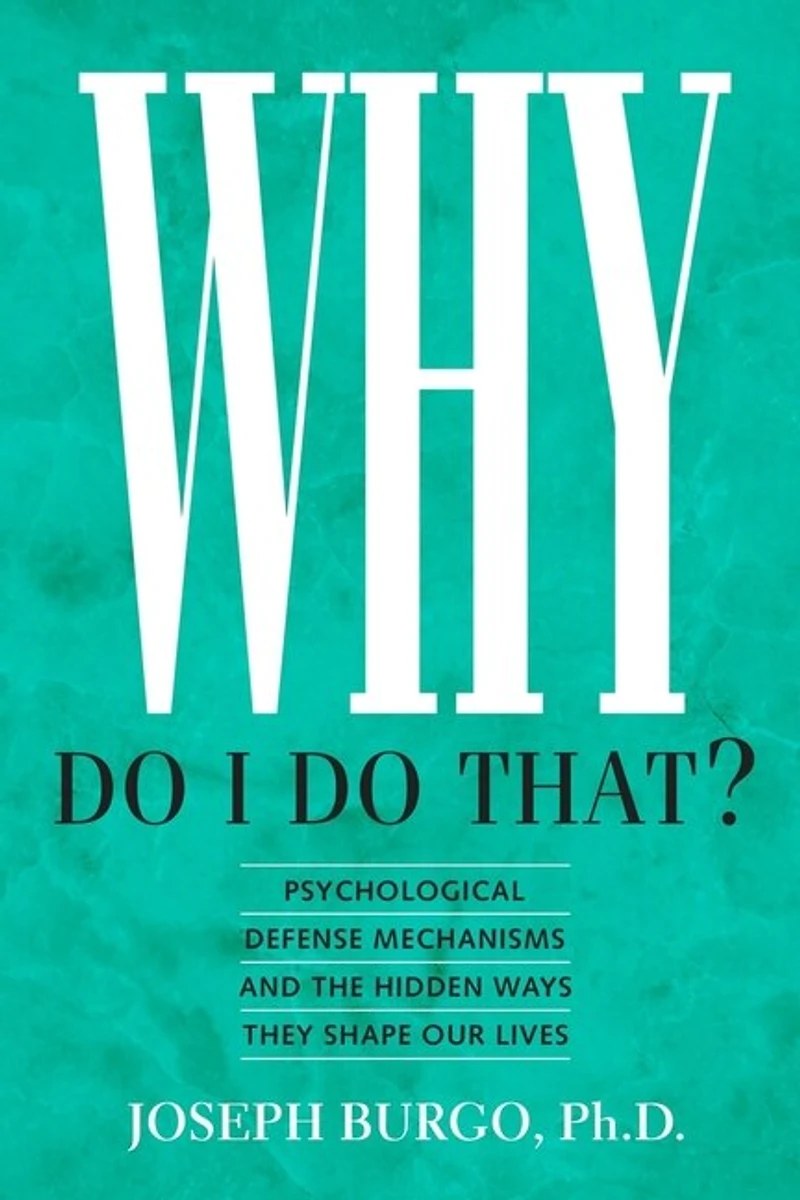
Why Do I Do That?: Psychological Defense Mechanisms and the Hidden Ways They Shape Our Lives in Ottawa, ON
Current price: $20.95

Why Do I Do That?: Psychological Defense Mechanisms and the Hidden Ways They Shape Our Lives in Ottawa, ON
Current price: $20.95
Loading Inventory...
Size: Paperback
*Product information may vary - to confirm product availability, pricing, shipping and return information please contact Coles
Why Do I Do That? adapts the basic strategies of psychodynamic psychotherapy to a guided course in self-exploration, highlighting the universal role of defense mechanisms in warding off emotional pain. With easy-to-understand explanations, the first part teaches you about the unconscious mind and the role of psychological defenses in excluding difficult feelings from awareness. Individual chapters in the longer middle section explore the primary defense mechanisms one by one, with exercises to help you identify your own defenses at work. The final part offers guidance for how to "disarm" your defenses and cope more effectively with the unconscious feelings behind them. Psychological defense mechanisms are an inevitable and necessary part of the human experience; but when they become too pervasive or deeply entrenched, they may damage our personal relationships, restrict or distort our emotional lives and prevent us from behaving in ways that promote lasting self-esteem.
Why Do I Do That? adapts the basic strategies of psychodynamic psychotherapy to a guided course in self-exploration, highlighting the universal role of defense mechanisms in warding off emotional pain. With easy-to-understand explanations, the first part teaches you about the unconscious mind and the role of psychological defenses in excluding difficult feelings from awareness. Individual chapters in the longer middle section explore the primary defense mechanisms one by one, with exercises to help you identify your own defenses at work. The final part offers guidance for how to "disarm" your defenses and cope more effectively with the unconscious feelings behind them. Psychological defense mechanisms are an inevitable and necessary part of the human experience; but when they become too pervasive or deeply entrenched, they may damage our personal relationships, restrict or distort our emotional lives and prevent us from behaving in ways that promote lasting self-esteem.
You May Also Like














More About Coles at Bayshore Shopping Centre
Coles is renowned for its outstanding customer service and great selection of books. Along with the vast array of magazines, stationary, audio-books, children's literature, fiction, non-fiction and reference books, you can find accessories to make your reading experience more pleasurable. We can recommend the very best in reading today. We will help you search our titles for exactly what you need, and if we do not have it in stock, we will order it for you.
100 Bayshore Dr, Nepean, ON K2B 8C1, Canada
Find Coles at Bayshore Shopping Centre in Ottawa, ON
Visit Coles at Bayshore Shopping Centre in Ottawa, ON