

Give the Gift of Choice!
Too many options? Treat your friends and family to their favourite stores with a Bayshore Shopping Centre gift card, redeemable at participating retailers throughout the centre. Click below to purchase yours today!Purchase HereHome
Why Live: How Suicide Becomes an Epidemic
Coles
Loading Inventory...
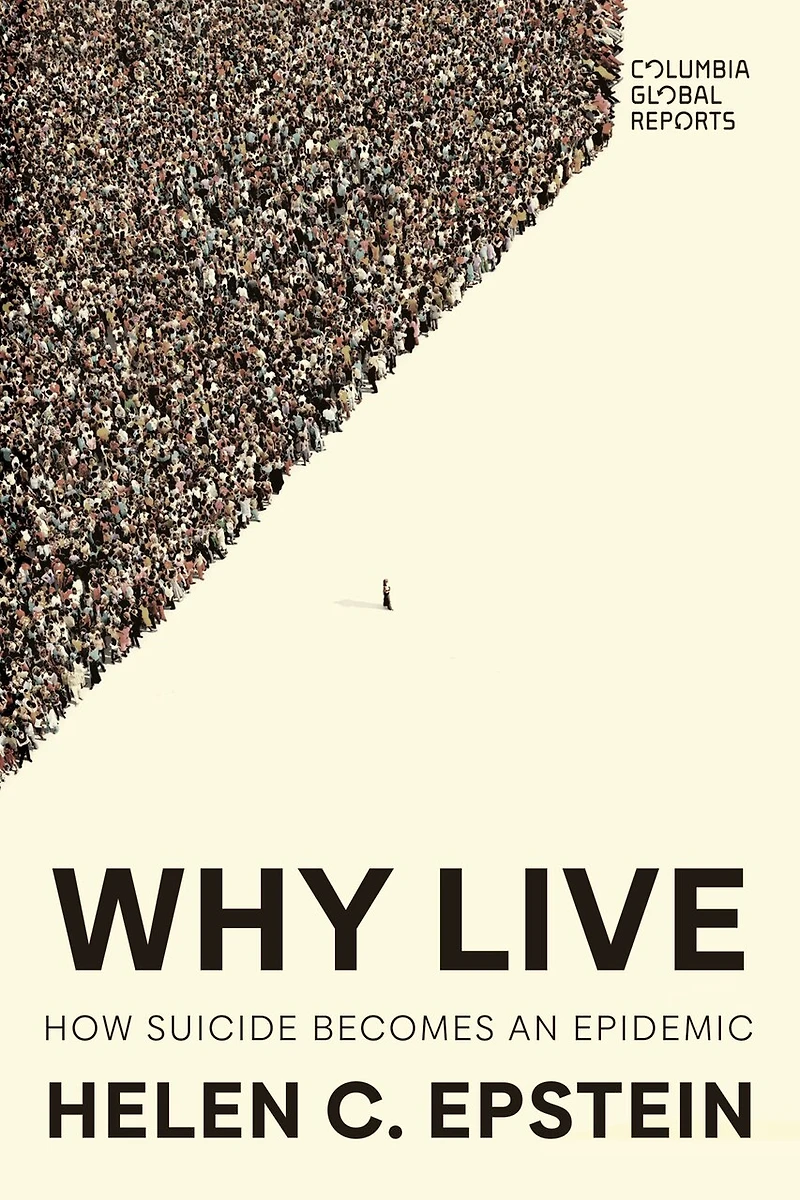
Why Live: How Suicide Becomes an Epidemic in Ottawa, ON
Current price: $27.95

Why Live: How Suicide Becomes an Epidemic in Ottawa, ON
Current price: $27.95
Loading Inventory...
Size: Paperback
*Product information may vary - to confirm product availability, pricing, shipping and return information please contact Coles
What causes suicide epidemics—and how can we prevent them?
Many suicides are caused by biological mental illness, but sometimes the suicide rate of a particular group jumps—two-, three-, or even ten-fold—in a short time, behaving like an epidemic. Suicide epidemics unfold more slowly than microbial plagues like flu or malaria, but they happen far too quickly to result from genetic changes and affect far too many people to be explained away as spontaneous cases of brain injury.
These epidemics have occurred in America’s rustbelt towns, Russia’s cities, and indigenous communities from the Arctic to the Pacific Islands. They tend not to be associated with wars, poverty, or environmental disasters but with a rupture in the social environment so profound that people come to question their most intimate attachments. The mental pain that drives suicide has been likened to the flipside of love, but if so, how does love suddenly disappear—or seem to—from the lives of thousands of people at once? In Why Live , public health researcher Helen C. Epstein sets out to find the answer.
What causes suicide epidemics—and how can we prevent them?
Many suicides are caused by biological mental illness, but sometimes the suicide rate of a particular group jumps—two-, three-, or even ten-fold—in a short time, behaving like an epidemic. Suicide epidemics unfold more slowly than microbial plagues like flu or malaria, but they happen far too quickly to result from genetic changes and affect far too many people to be explained away as spontaneous cases of brain injury.
These epidemics have occurred in America’s rustbelt towns, Russia’s cities, and indigenous communities from the Arctic to the Pacific Islands. They tend not to be associated with wars, poverty, or environmental disasters but with a rupture in the social environment so profound that people come to question their most intimate attachments. The mental pain that drives suicide has been likened to the flipside of love, but if so, how does love suddenly disappear—or seem to—from the lives of thousands of people at once? In Why Live , public health researcher Helen C. Epstein sets out to find the answer.
You May Also Like













More About Coles at Bayshore Shopping Centre
Coles is renowned for its outstanding customer service and great selection of books. Along with the vast array of magazines, stationary, audio-books, children's literature, fiction, non-fiction and reference books, you can find accessories to make your reading experience more pleasurable. We can recommend the very best in reading today. We will help you search our titles for exactly what you need, and if we do not have it in stock, we will order it for you.
100 Bayshore Dr, Nepean, ON K2B 8C1, Canada
Find Coles at Bayshore Shopping Centre in Ottawa, ON
Visit Coles at Bayshore Shopping Centre in Ottawa, ON