

Give the Gift of Choice!
Too many options? Treat your friends and family to their favourite stores with a Bayshore Shopping Centre gift card, redeemable at participating retailers throughout the centre. Click below to purchase yours today!Purchase HereHome
Why We Disagree about Inequality: Social Justice vs. Order
Coles
Loading Inventory...
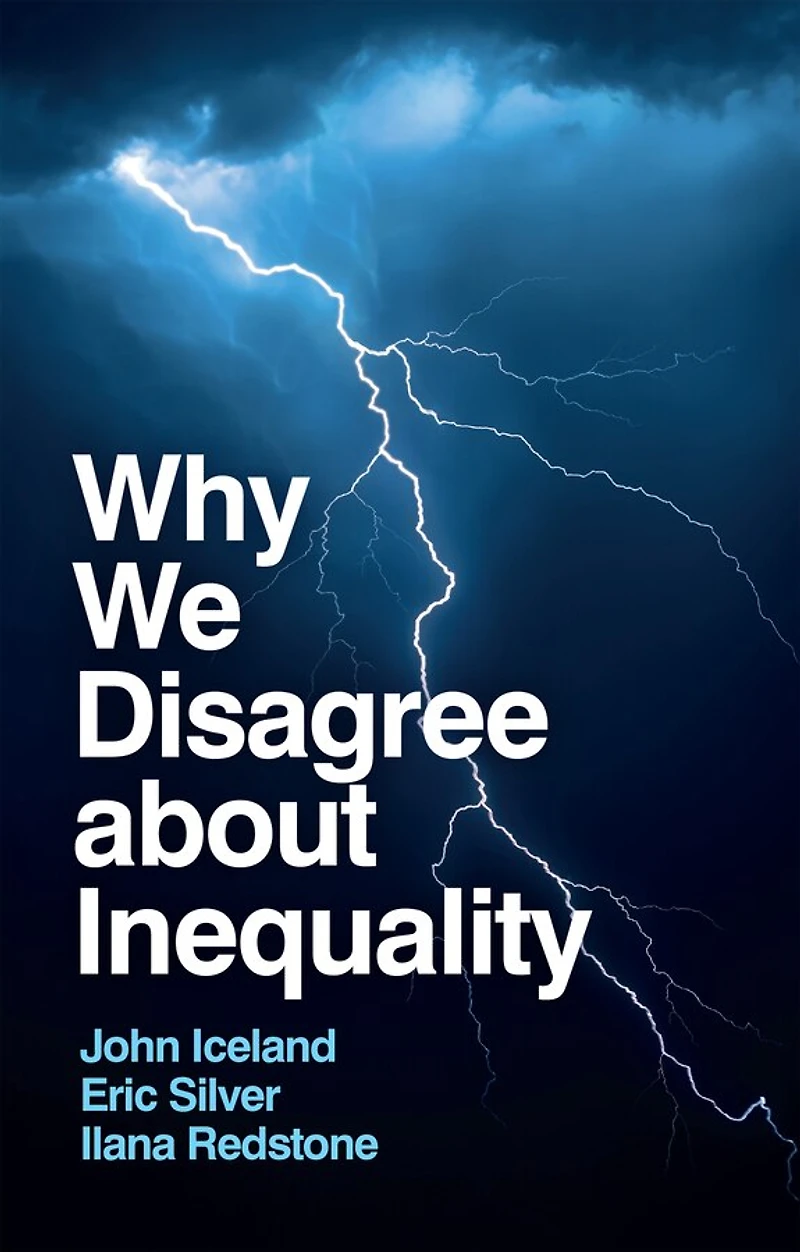
Why We Disagree about Inequality: Social Justice vs. Order in Ottawa, ON
Current price: $77.95

Why We Disagree about Inequality: Social Justice vs. Order in Ottawa, ON
Current price: $77.95
Loading Inventory...
Size: Hardcover
*Product information may vary - to confirm product availability, pricing, shipping and return information please contact Coles
Why do we disagree about the causes of and solutions to social inequality? What explains our different viewpoints on Black Lives Matter, #MeToo, income inequality, and immigration? In this tightly argued book, John Iceland, Eric Silver, and Ilana Redstone show how two clashing worldviews – one emphasizing Social Justice and another Social Order – are preventing Americans from solving their most pressing social problems. The authors show how each worldview provides a different understanding of human nature, morality, social change, and the wisdom of the past. They argue that, before Americans can find lasting solutions to today’s seemingly intractable societal challenges, they will need to recognize that each side possesses a wisdom the other lacks. Only then can we achieve the common ground and consensus we seek.
Why do we disagree about the causes of and solutions to social inequality? What explains our different viewpoints on Black Lives Matter, #MeToo, income inequality, and immigration? In this tightly argued book, John Iceland, Eric Silver, and Ilana Redstone show how two clashing worldviews – one emphasizing Social Justice and another Social Order – are preventing Americans from solving their most pressing social problems. The authors show how each worldview provides a different understanding of human nature, morality, social change, and the wisdom of the past. They argue that, before Americans can find lasting solutions to today’s seemingly intractable societal challenges, they will need to recognize that each side possesses a wisdom the other lacks. Only then can we achieve the common ground and consensus we seek.
You May Also Like















More About Coles at Bayshore Shopping Centre
Coles is renowned for its outstanding customer service and great selection of books. Along with the vast array of magazines, stationary, audio-books, children's literature, fiction, non-fiction and reference books, you can find accessories to make your reading experience more pleasurable. We can recommend the very best in reading today. We will help you search our titles for exactly what you need, and if we do not have it in stock, we will order it for you.
100 Bayshore Dr, Nepean, ON K2B 8C1, Canada
Find Coles at Bayshore Shopping Centre in Ottawa, ON
Visit Coles at Bayshore Shopping Centre in Ottawa, ON