

Give the Gift of Choice!
Too many options? Treat your friends and family to their favourite stores with a Bayshore Shopping Centre gift card, redeemable at participating retailers throughout the centre. Click below to purchase yours today!Purchase HereHome
Why Your Five-Year-Old Could Not Have Done That: From Slashed Canvas to Unmade Bed, Modern Art Explained
Coles
Loading Inventory...
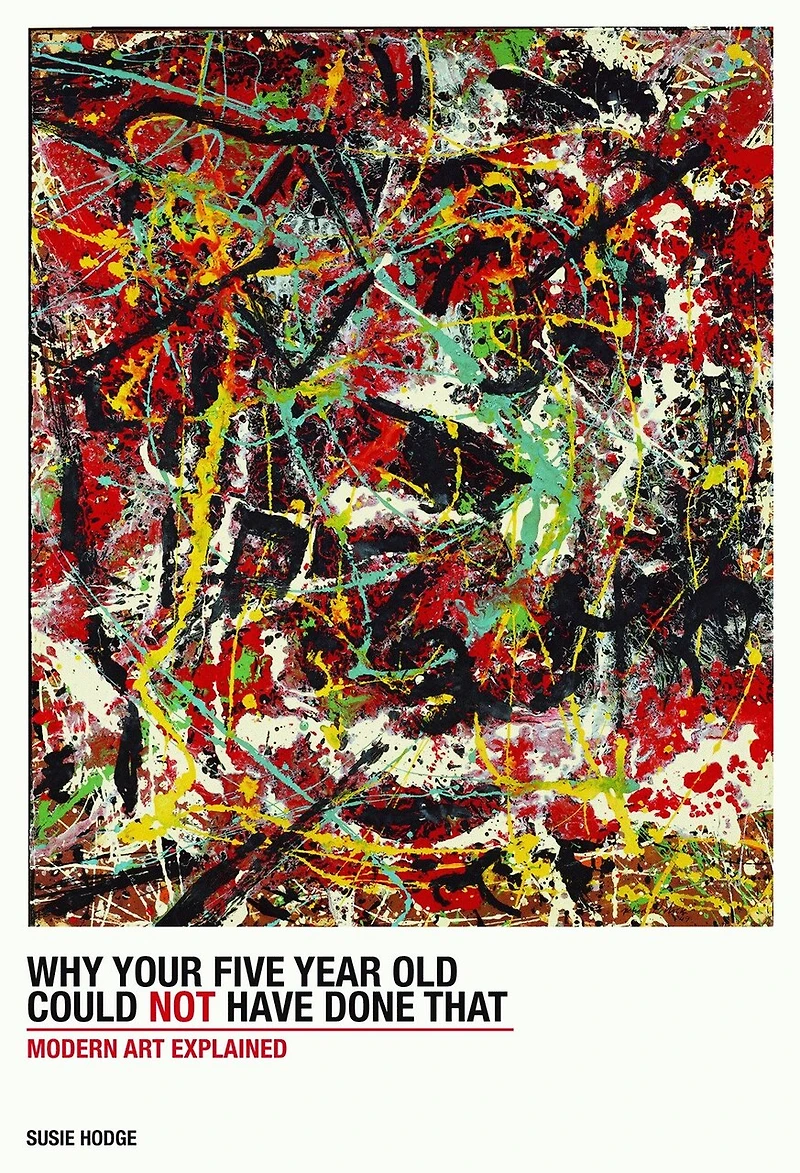
Why Your Five-Year-Old Could Not Have Done That: From Slashed Canvas to Unmade Bed, Modern Art Explained in Ottawa, ON
Current price: $19.95

Why Your Five-Year-Old Could Not Have Done That: From Slashed Canvas to Unmade Bed, Modern Art Explained in Ottawa, ON
Current price: $19.95
Loading Inventory...
Size: Paperback
*Product information may vary - to confirm product availability, pricing, shipping and return information please contact Coles
Come on, you know you’ve thought it—while viewing a "masterpiece" of abstract art, you mutter, "A kid could do that." Here Susie Hodge, author of How to Survive Modern Art, explains why the best examples of modern art are actually the result of sophisticated thought and serious talent. From Marcel Duchamp’s notorious Fountain and the scribbles of Cy Twombly to Mark Rothko’s multiforms and Carl Andre’s uncarved blocks, Hodge addresses critical outrage with a revealing insight into the technical skill, layering of ideas, and sheer inspiration behind each work. In cleverly organized chapters such as "Objects/ Toys," "Provocations/Tantrums," and "People/Monsters," Hodges thoughtfully and definitively lays bare the perception that modern art is mere child’s play.
Come on, you know you’ve thought it—while viewing a "masterpiece" of abstract art, you mutter, "A kid could do that." Here Susie Hodge, author of How to Survive Modern Art, explains why the best examples of modern art are actually the result of sophisticated thought and serious talent. From Marcel Duchamp’s notorious Fountain and the scribbles of Cy Twombly to Mark Rothko’s multiforms and Carl Andre’s uncarved blocks, Hodge addresses critical outrage with a revealing insight into the technical skill, layering of ideas, and sheer inspiration behind each work. In cleverly organized chapters such as "Objects/ Toys," "Provocations/Tantrums," and "People/Monsters," Hodges thoughtfully and definitively lays bare the perception that modern art is mere child’s play.
You May Also Like









More About Coles at Bayshore Shopping Centre
Coles is renowned for its outstanding customer service and great selection of books. Along with the vast array of magazines, stationary, audio-books, children's literature, fiction, non-fiction and reference books, you can find accessories to make your reading experience more pleasurable. We can recommend the very best in reading today. We will help you search our titles for exactly what you need, and if we do not have it in stock, we will order it for you.
100 Bayshore Dr, Nepean, ON K2B 8C1, Canada
Find Coles at Bayshore Shopping Centre in Ottawa, ON
Visit Coles at Bayshore Shopping Centre in Ottawa, ON