

Give the Gift of Choice!
Too many options? Treat your friends and family to their favourite stores with a Bayshore Shopping Centre gift card, redeemable at participating retailers throughout the centre. Click below to purchase yours today!Purchase HereHome
Wife-abuse in Eighteenth-century France
Coles
Loading Inventory...
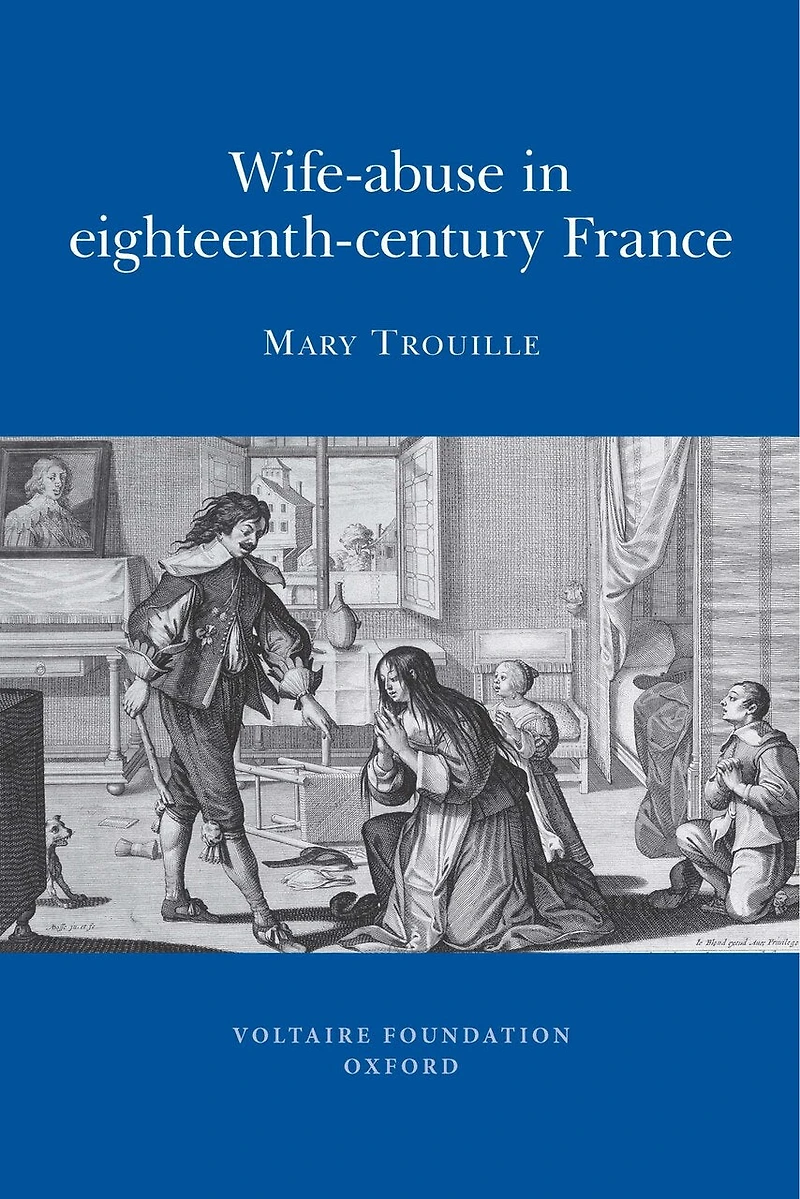
Wife-abuse in Eighteenth-century France in Ottawa, ON
Current price: $147.95

Wife-abuse in Eighteenth-century France in Ottawa, ON
Current price: $147.95
Loading Inventory...
Size: Paperback
*Product information may vary - to confirm product availability, pricing, shipping and return information please contact Coles
Recent archival research has focussed on the material conditions of marriage in eighteenth-century France, providing new insight into the social and judicial contexts of marital violence. Mary Trouille builds on these findings to write the first book on spousal abuse during this period.
Through close examination of a wide range of texts, Trouille shows how lawyers and novelists adopted each other’s rhetorical strategies to present competing versions of the truth. Male voices – those of husbands, lawyers, editors, and moralists – are analysed in accounts of separation cases presented in Des Essarts’s influential Causes clbres , in moral and legal treatises, and in legal briefs by well-known lawyers of the period. Female voices, both real and imagined, are explored through court testimony and novels based on actual events by Sade, Genlis, and Rtif de la Bretonne. By bringing the traditionally private matter of spousal abuse into the public arena, these texts had a significant impact on public opinion and served as an impetus for legal reform in the early years of the French Revolution.
Trouille’s interdisciplinary study makes a significant contribution to our understanding of attitudes towards women in eighteenth-century society, and provides a historical context for debates about domestic violence that are very much alive today.
Recent archival research has focussed on the material conditions of marriage in eighteenth-century France, providing new insight into the social and judicial contexts of marital violence. Mary Trouille builds on these findings to write the first book on spousal abuse during this period.
Through close examination of a wide range of texts, Trouille shows how lawyers and novelists adopted each other’s rhetorical strategies to present competing versions of the truth. Male voices – those of husbands, lawyers, editors, and moralists – are analysed in accounts of separation cases presented in Des Essarts’s influential Causes clbres , in moral and legal treatises, and in legal briefs by well-known lawyers of the period. Female voices, both real and imagined, are explored through court testimony and novels based on actual events by Sade, Genlis, and Rtif de la Bretonne. By bringing the traditionally private matter of spousal abuse into the public arena, these texts had a significant impact on public opinion and served as an impetus for legal reform in the early years of the French Revolution.
Trouille’s interdisciplinary study makes a significant contribution to our understanding of attitudes towards women in eighteenth-century society, and provides a historical context for debates about domestic violence that are very much alive today.
You May Also Like










More About Coles at Bayshore Shopping Centre
Coles is renowned for its outstanding customer service and great selection of books. Along with the vast array of magazines, stationary, audio-books, children's literature, fiction, non-fiction and reference books, you can find accessories to make your reading experience more pleasurable. We can recommend the very best in reading today. We will help you search our titles for exactly what you need, and if we do not have it in stock, we will order it for you.
100 Bayshore Dr, Nepean, ON K2B 8C1, Canada
Find Coles at Bayshore Shopping Centre in Ottawa, ON
Visit Coles at Bayshore Shopping Centre in Ottawa, ON