

Give the Gift of Choice!
Too many options? Treat your friends and family to their favourite stores with a Bayshore Shopping Centre gift card, redeemable at participating retailers throughout the centre. Click below to purchase yours today!Purchase HereHome
Will the Internet Fragment?: Sovereignty, Globalization and Cyberspace
Coles
Loading Inventory...
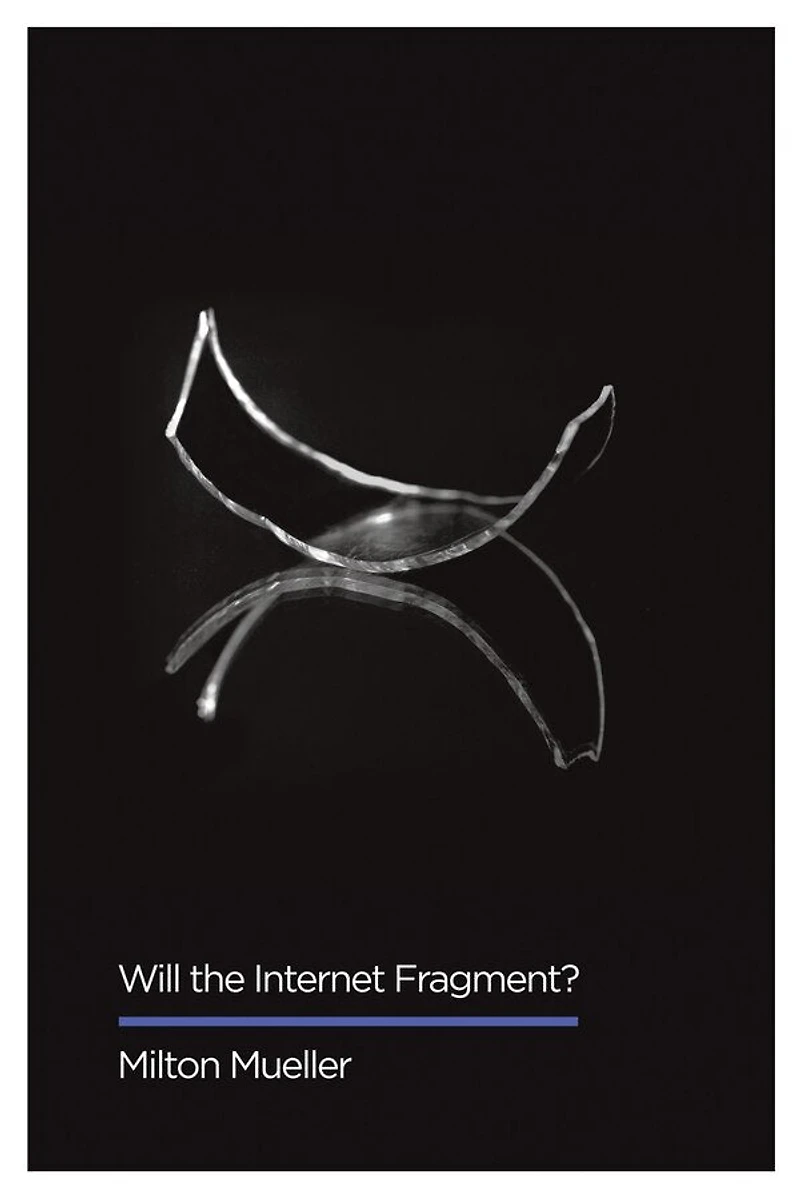
Will the Internet Fragment?: Sovereignty, Globalization and Cyberspace in Ottawa, ON
Current price: $87.95

Will the Internet Fragment?: Sovereignty, Globalization and Cyberspace in Ottawa, ON
Current price: $87.95
Loading Inventory...
Size: Hardcover
*Product information may vary - to confirm product availability, pricing, shipping and return information please contact Coles
The Internet has united the world as never before. But is it in danger of breaking apart? Cybersecurity, geopolitical tensions, and calls for data sovereignty have made many believe that the Internet is fragmenting.
In this incisive new book, Milton Mueller argues that the “fragmentation” diagnosis misses the mark. The rhetoric of “fragmentation” camouflages the real issue: the attempt by governments to align information flows with their jurisdictional boundaries. The fragmentation debate is really a power struggle over the future of national sovereignty. It pits global governance and open access against the traditional territorial institutions of government. This conflict, the book argues, can only be resolved through radical institutional innovations. Will the Internet Fragment? is essential reading for students and scholars of media and communications, international relations, political science and STS, as well as anyone concerned about the quality of Internet governance.
The Internet has united the world as never before. But is it in danger of breaking apart? Cybersecurity, geopolitical tensions, and calls for data sovereignty have made many believe that the Internet is fragmenting.
In this incisive new book, Milton Mueller argues that the “fragmentation” diagnosis misses the mark. The rhetoric of “fragmentation” camouflages the real issue: the attempt by governments to align information flows with their jurisdictional boundaries. The fragmentation debate is really a power struggle over the future of national sovereignty. It pits global governance and open access against the traditional territorial institutions of government. This conflict, the book argues, can only be resolved through radical institutional innovations. Will the Internet Fragment? is essential reading for students and scholars of media and communications, international relations, political science and STS, as well as anyone concerned about the quality of Internet governance.
You May Also Like










More About Coles at Bayshore Shopping Centre
Coles is renowned for its outstanding customer service and great selection of books. Along with the vast array of magazines, stationary, audio-books, children's literature, fiction, non-fiction and reference books, you can find accessories to make your reading experience more pleasurable. We can recommend the very best in reading today. We will help you search our titles for exactly what you need, and if we do not have it in stock, we will order it for you.
100 Bayshore Dr, Nepean, ON K2B 8C1, Canada
Find Coles at Bayshore Shopping Centre in Ottawa, ON
Visit Coles at Bayshore Shopping Centre in Ottawa, ON