

Give the Gift of Choice!
Too many options? Treat your friends and family to their favourite stores with a Bayshore Shopping Centre gift card, redeemable at participating retailers throughout the centre. Click below to purchase yours today!Purchase HereHome
Windup Control Owing to Sensor Saturation
Coles
Loading Inventory...
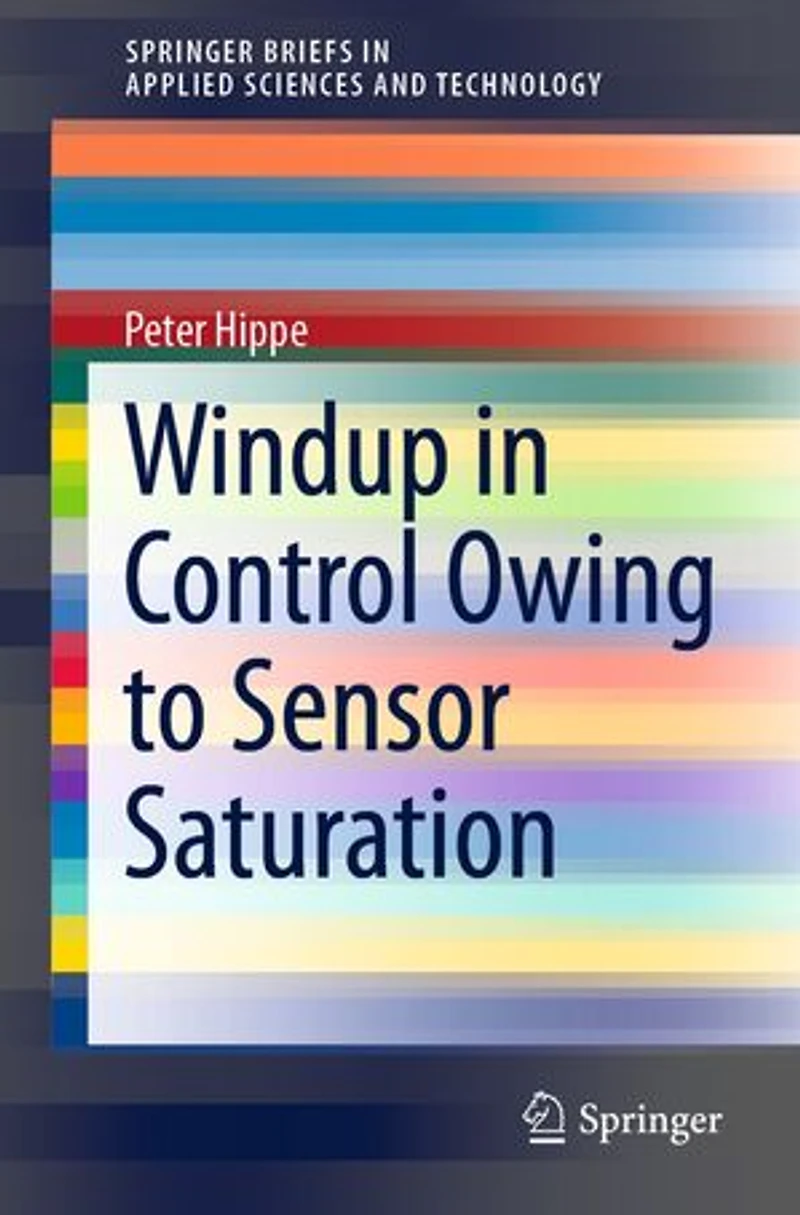
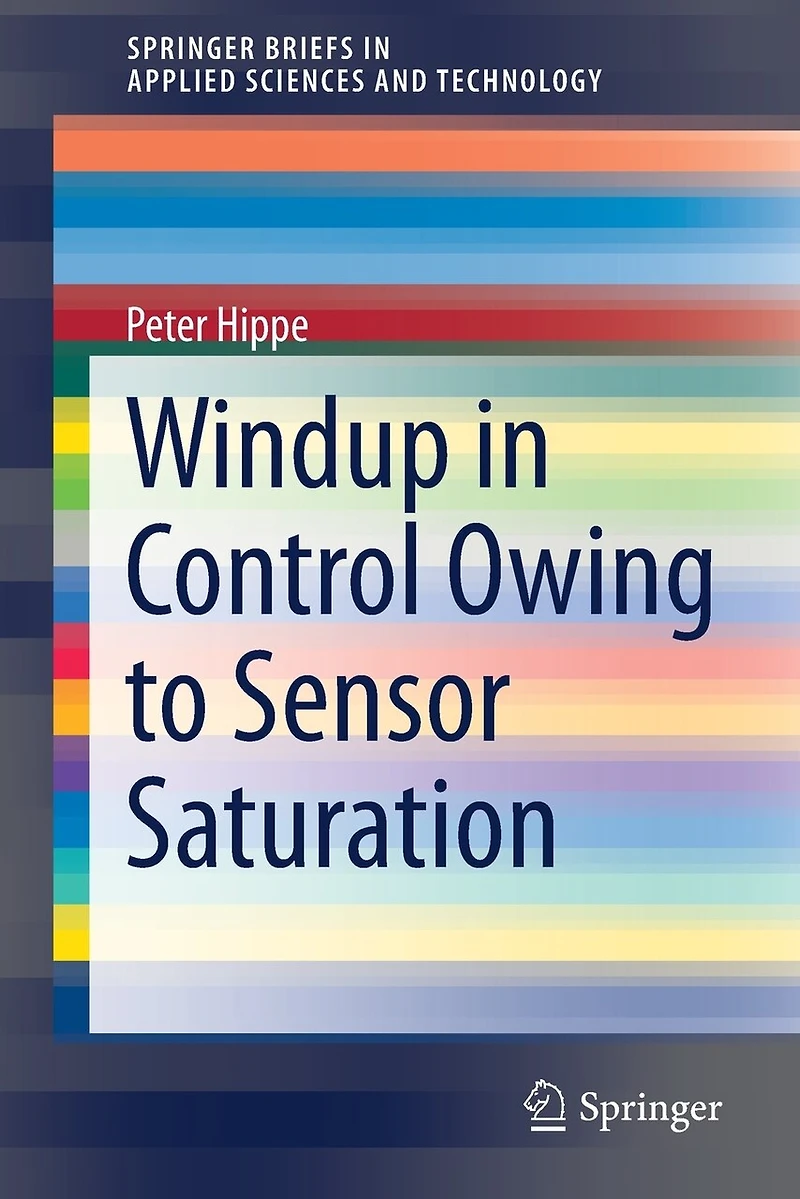
Windup Control Owing to Sensor Saturation in Ottawa, ON
Current price: $64.49
Original price: $80.62

Windup Control Owing to Sensor Saturation in Ottawa, ON
Current price: $64.49
Original price: $80.62
Loading Inventory...
Size: Kobo eBook
*Product information may vary - to confirm product availability, pricing, shipping and return information please contact Coles
This brief presents methods for anti-windup control in the presence of saturating sensors, arbitrary external reference inputs, and constant or step-like disturbance inputs. It also offers techniques to assure windup prevention when both the input and the output signals are limited and this for systems with one input (SISO) and multiple inputs (MIMO). The emphasis in both is on real-world practicality rather than rigorously proven stability. Two novel solutions for anti-windup control are explored. The first approach, for SISO systems only, follows the classic design paradigm of anti-windup control: design an arbitrary linear compensator and add appropriate measures for their prevention if saturation causes stability problems. This uses a saturation indicator detecting the presence, but not the extent of saturation. The second methodology uses a compensator design that assures the desired rejection of persistent disturbances without jeopardizing closed-loop stability, and canbe applied to SISO and MIMO systems alike. Containing worked examples that can be reproduced by the reader, illustrative simulations, and open problems for future research, Windup in Control Owing to Sensor Saturation will be of interest to both academics and engineers in the fields of control and process industries.
This brief presents methods for anti-windup control in the presence of saturating sensors, arbitrary external reference inputs, and constant or step-like disturbance inputs. It also offers techniques to assure windup prevention when both the input and the output signals are limited and this for systems with one input (SISO) and multiple inputs (MIMO). The emphasis in both is on real-world practicality rather than rigorously proven stability. Two novel solutions for anti-windup control are explored. The first approach, for SISO systems only, follows the classic design paradigm of anti-windup control: design an arbitrary linear compensator and add appropriate measures for their prevention if saturation causes stability problems. This uses a saturation indicator detecting the presence, but not the extent of saturation. The second methodology uses a compensator design that assures the desired rejection of persistent disturbances without jeopardizing closed-loop stability, and canbe applied to SISO and MIMO systems alike. Containing worked examples that can be reproduced by the reader, illustrative simulations, and open problems for future research, Windup in Control Owing to Sensor Saturation will be of interest to both academics and engineers in the fields of control and process industries.
You May Also Like













More About Coles at Bayshore Shopping Centre
Coles is renowned for its outstanding customer service and great selection of books. Along with the vast array of magazines, stationary, audio-books, children's literature, fiction, non-fiction and reference books, you can find accessories to make your reading experience more pleasurable. We can recommend the very best in reading today. We will help you search our titles for exactly what you need, and if we do not have it in stock, we will order it for you.
100 Bayshore Dr, Nepean, ON K2B 8C1, Canada
Find Coles at Bayshore Shopping Centre in Ottawa, ON
Visit Coles at Bayshore Shopping Centre in Ottawa, ON